IOTC Releases Draft IUU Vessels List Ahead of 30th Session
The IOTC dropped its draft IUU vessels list for 2026 ahead of its 30th Session, circulating Circular 2026-12 in early March as part of pre-session compliance prep.
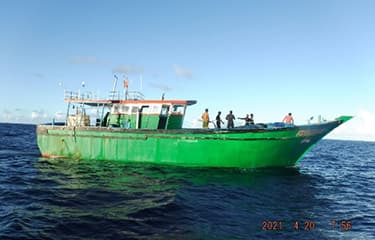
The Indian Ocean Tuna Commission circulated its draft Illegal, Unreported and Unregulated vessels list for 2026 in early-to-mid March, one of several administrative circulars and notices the IOTC pushed out in the run-up to its 30th Session (S30). The document, posted to the FAO/IOTC website as Circular 2026-12, carries the full title "Indian Ocean Tuna Commission Draft IUU Vessels List for 2026" and is available as a downloadable PDF.
The specifics of what's inside that circular matter a lot if you're in the Indian Ocean tuna business. IUU vessel lists aren't bureaucratic wallpaper: they're enforcement instruments that determine whether a flagged vessel can offload catch at port, access certain markets, or secure insurance and financing. As the Western and Central Pacific Fisheries Commission explains in its own IUU documentation, these lists "act as a compliance signal to the marketplace, investors, and insurers" and give non-flag states, including port states and market states, a concrete lever to support RFMO objectives even when they're not the ones doing enforcement at sea.
For the IOTC's purposes, the draft list arriving ahead of S30 is standard pre-session procedure. RFMOs typically circulate draft IUU lists before their annual or biennial sessions so member states can review proposed inclusions, lodge objections, and work through the finalization process during the meeting itself. The 30th Session is where the 2026 list would be debated and potentially adopted.
What the publicly available materials don't yet show is the actual content of Circular 2026-12: no vessel names, flag states, IMO numbers, or alleged infractions appear in the posted summary. The full PDF is the document you need, and pulling it from the IOTC/FAO portal should be the first move for anyone tracking compliance exposure in the Indian Ocean.
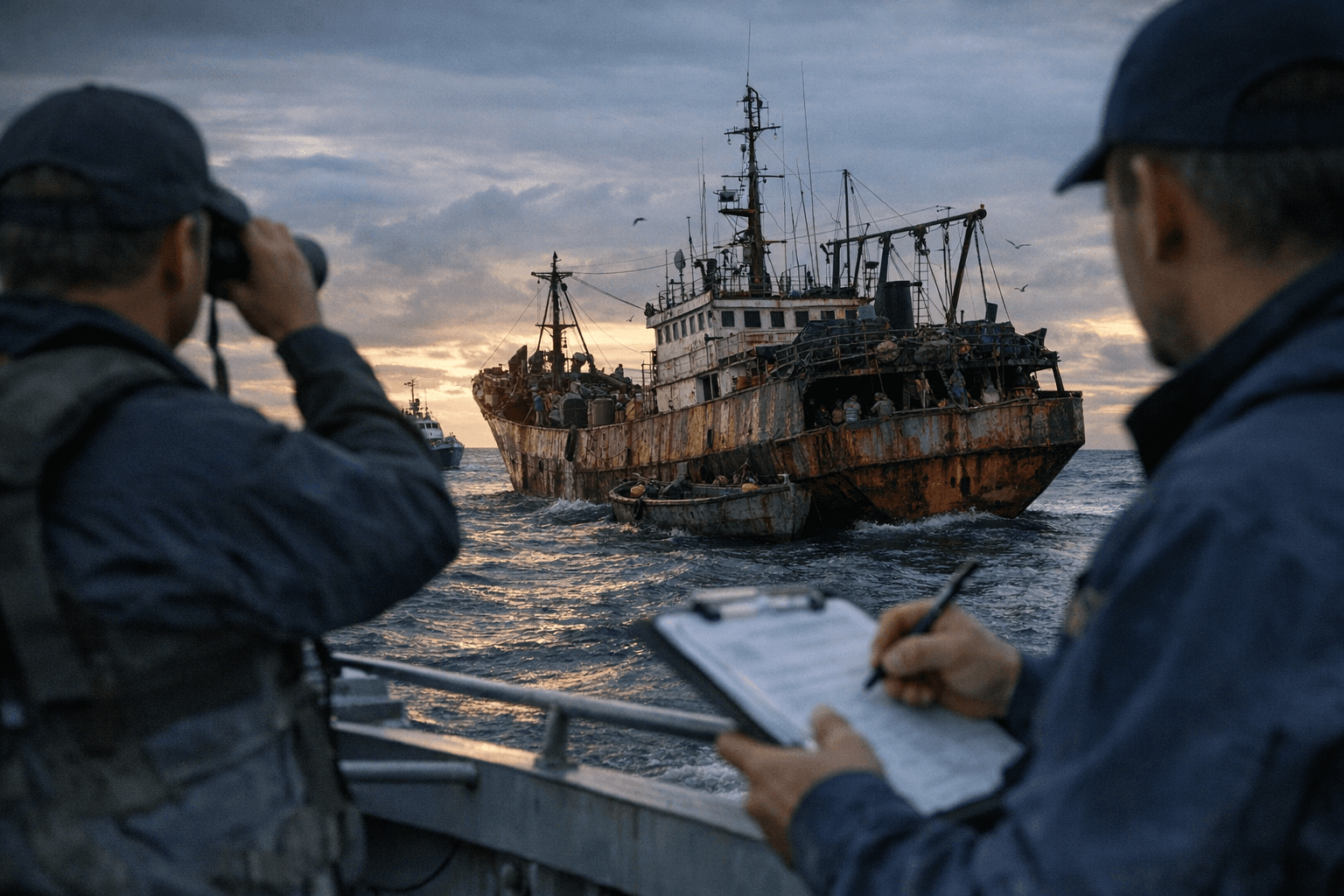
The IOTC is one of eight major RFMOs that maintain IUU vessel lists, alongside ICCAT, IATTC, CCAMLR, CCSBT, NPAFC, NPFC, and SPRFMO. Each organization runs its own process, so a vessel cleared by one body isn't automatically in the clear with another. The WCPFC, for context, grounds its process in a specific Conservation and Management Measure; IOTC operates under its own framework. Anyone operating in overlapping convention areas needs to track both.
The timing here is deliberate. Pre-session circulars give the industry, flag states, and vessel operators a window before S30 opens to flag issues with draft inclusions. Once the session convenes and the list is adopted, the procedural options narrow considerably.
This article was produced by Prism’s automated news system from verified source data, official records, and press releases, then run through automated quality and moderation checks before publishing. The system is built and supervised by the people who set the standards it runs under. Read our full AI policy.
Did this article answer your question?