Islamorada log shows tuna anglers a good reef day, fair offshore window
A 10-knot east-southeast breeze and 1-foot Hawk Channel left Islamorada anglers with a reef-first call and only a fair offshore shot.

A light east-to-southeast breeze gave Islamorada anglers a narrow but usable tuna window on June 11, with DirtyBoat’s log calling Hawk Channel around 1 foot and the Straits of Florida 1 to 2 feet. The read was simple: the reef edge was in play, offshore was fair, and the bite would have favored boats that could time the tide instead of forcing a long run into sloppy water.
That mattered in a place built for quick decisions. Islamorada spans four islands across about 18 linear miles and bills itself as the Sport Fishing Capital of the World, but the real edge comes from how close reef, backcountry, and deeper water sit to one another. The Florida Keys National Marine Sanctuary says the area holds the only coral barrier reef in the continental United States and more than 6,000 animal species, which is why a small shift in wind or current can change whether a captain stays tight to the reef or pushes into the Straits.

The June 11 log pointed to a clean reef window around the tide, warm bay water, and showers possible, which made departure timing the key call. Boats leaving early had the best chance to beat any weather build and use the calmer Hawk Channel run to set up on the edge; boats leaving too late risked burning fuel for little gain if the tide and wind were no longer lined up. NOAA’s marine forecast for Hawk Channel matched the report closely, with east-to-southeast winds near 10 knots and seas around 1 to 2 feet, later easing toward 1 foot. That kind of confirmation is what turns a casual glance at the forecast into a go-no-go decision for the morning.
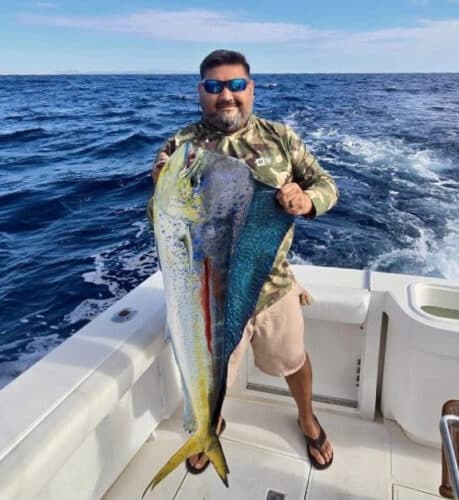
For tuna anglers, the window also sat inside a productive calendar. Florida Keys guides commonly treat June as a strong month for offshore species such as tuna and mahi-mahi, and Florida’s recreational blackfin tuna rule generally limits anglers to two blackfin per day. Florida Fish and Wildlife also tells anglers to check federal regulations before targeting billfish, tuna, and swordfish in federal waters, which matters once a run leaves the reef and starts pointing toward the deeper stuff.
The June 11 log did not promise a wide-open bite. It did something more useful for the next morning’s plan: it showed that Islamorada was fishable, the reef was the better play, and the offshore shot was only worth taking if the tide and the wind still lined up.
This article was produced by Prism’s automated news system from verified source data, official records, and press releases, then run through automated quality and moderation checks before publishing. The system is built and supervised by the people who set the standards it runs under. Read our full AI policy.
Did this article answer your question?