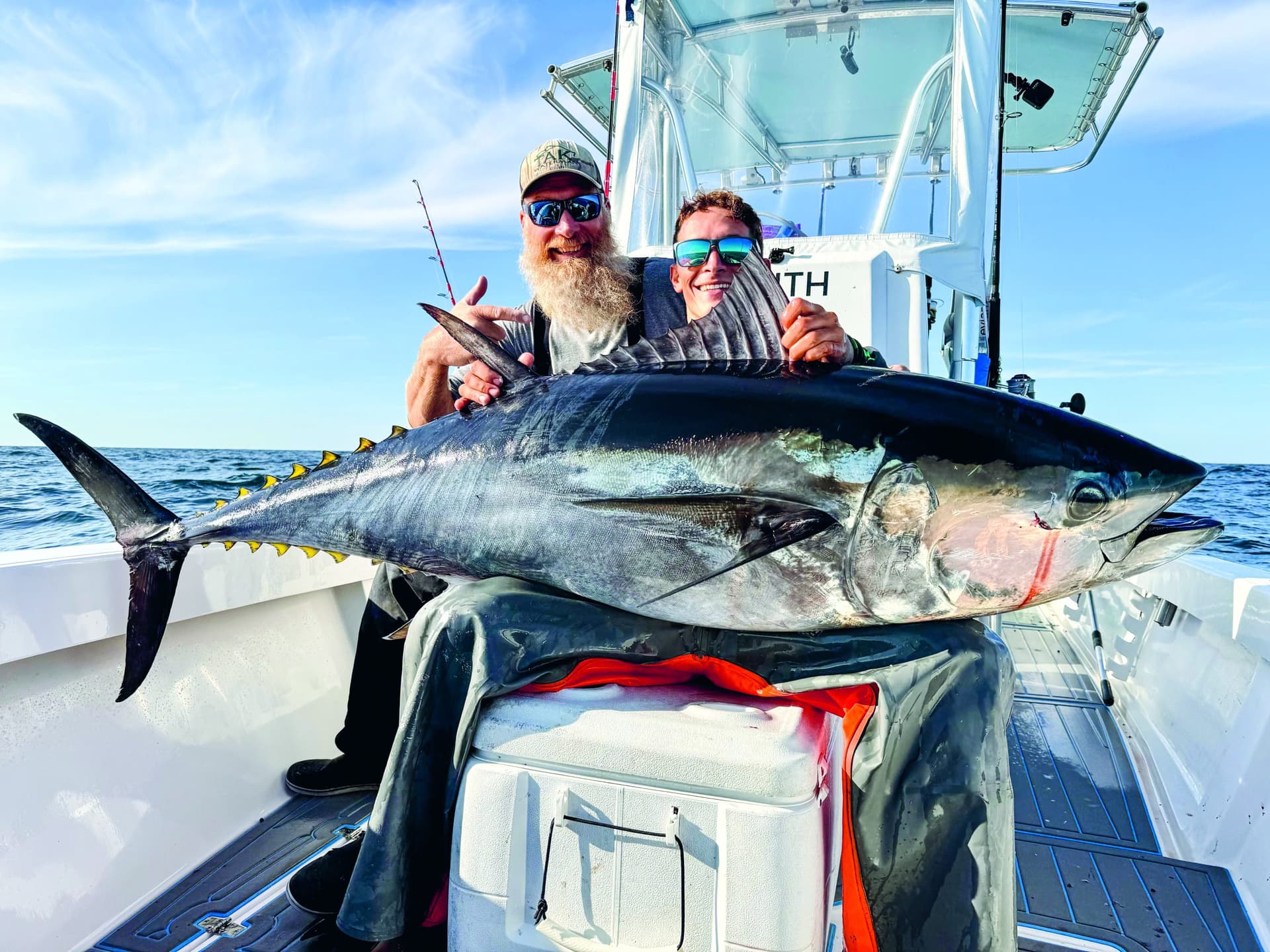
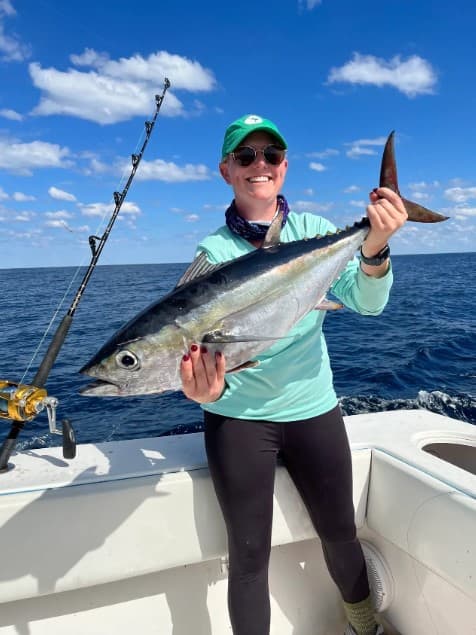
June tuna season heats up at the Jersey Shore
June can be a real run if the weather, the size class, and the legal window line up. Jersey Shore bluefin are open, but the clock and the limits matter.
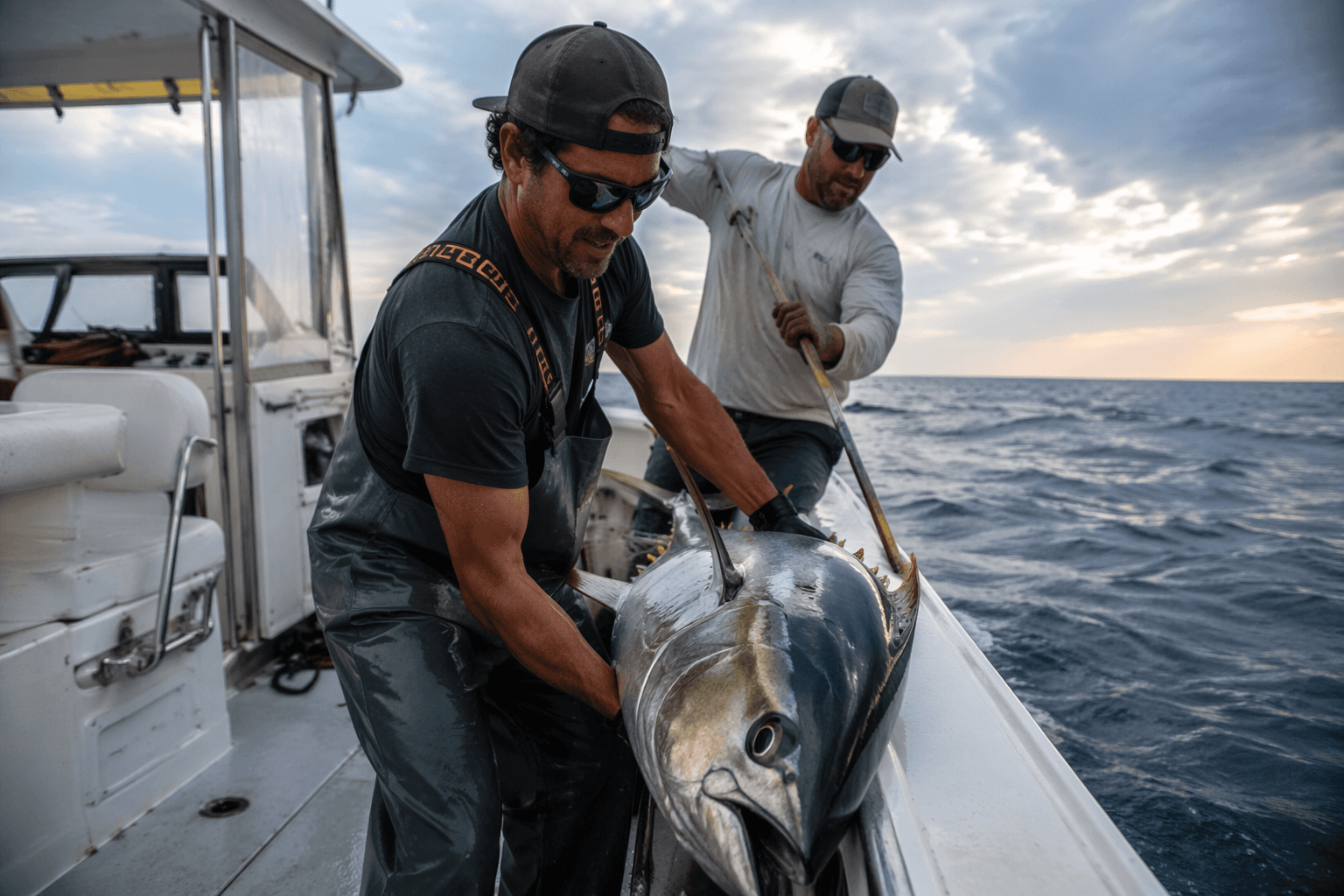
Should you make the run right now?
If you are deciding whether to burn fuel for a June tuna shot at the Jersey Shore, the answer comes down to one thing: do the fish, the forecast, and the rules all line up at the same time? NJ Shore Guide treats June as a serious tuna month, not a casual shoulder-season punt, and that framing matters because the bite only becomes worth the haul when you can realistically expect bluefin or yellowfin in the boat and not just on the radar.
The guide’s strongest point is that it reads like an angler’s checklist, not a brochure. It pushes you through the exact calls that decide a trip before the boat ever leaves the slip: whether the regulations allow the fish you want, whether trolling or chunking or jigging matches the conditions, whether the weather window is clean enough to justify the run, and whether a charter out of Belmar or Point Pleasant Beach makes more sense than going it alone.
What June actually offers at the Jersey Shore
June is framed as peak season for bluefin and yellowfin activity in New Jersey, and that is the real hook here. The month is not being sold as a vague summer warm-up. It is presented as a live window where tuna fishing can be excellent, provided you pick your shot carefully and avoid treating every decent day as a green light.
That is why the guide leans so hard on conditions. June tuna fishing can be hot, but it is not automatically worth the ride. The difference between a smart run and an average bite dressed up as opportunity is usually the weather window, the water, and whether the fish are showing in a way that matches your method.
The regulations set the tone before the fish do
Before you think about bait or fuel, the 2026 bluefin rules tell you whether the trip even makes sense. NOAA Fisheries says the recreational Atlantic bluefin tuna retention limits took effect on June 1, 2026 and run through December 31, 2026 unless later changed. For private boats with HMS Angling permits, the limit is two bluefin tuna per vessel per day or trip, with fish measuring 27 inches to less than 73 inches curved fork length. Only one fish in that limit can be a large school or small medium fish, meaning 47 inches to less than 73 inches.
The same framework applies differently to different vessels. Charter boats with HMS Charter or Headboat permits fishing recreationally can keep three bluefin per vessel per day or trip in that same size range, with only one large school or small medium fish. Headboats with HMS Charter or Headboat permits can keep six bluefin per vessel per day or trip, again with only one large school or small medium fish. Bluefin under 27 inches curved fork length may not be retained at all, and NOAA says no more than one day’s retention limit may be possessed at landing after a trip.
There is also a geographic line that matters. NOAA says targeted bluefin fishing is not allowed in the Gulf of America. On the status side, NOAA’s recreational page says the Gulf of Maine and Southern New England trophy bluefin fisheries were open on June 1, 2026, while the South trophy area was closed. That means the bluefin conversation in June is not just about finding fish, but about knowing which fishery you are actually fishing.
Why the quota story changes the mood on the docks
The June tone is a little different this year because the quota picture is not static. The Fisherman reported that the U.S. had roughly 300 metric tons of recreational bluefin quota in 2026, and that larger number is part of why the retention limits feel more generous than anglers have been used to. NOAA also says it intends to take separate rulemaking action in 2026 to consider modifying the baseline Atlantic bluefin quota in line with the 2025 ICCAT meeting.
That does not mean every trip is suddenly a smash-and-grab. It does mean the bluefin season is operating inside a moving quota system, with federal rules grounded in the 2006 Consolidated Highly Migratory Species Fishery Management Plan, the Magnuson-Stevens Act, and the Atlantic Tunas Convention Act. For Jersey Shore anglers, the practical takeaway is simple: the rules are not background noise. They are part of the decision to run.
How the June guide wants you to fish
NJ Shore Guide breaks the month down the way tuna anglers actually work it. The main methods on the page are trolling, chunking, and jigging, which covers the full range of how June tuna trips usually get built. Trolling makes sense when you want to cover water and search for active fish. Chunking fits a slow, deliberate setup when the fish are holding and you want to keep baits in the zone. Jigging is the more vertical, hands-on play, especially when the fish are showing but not giving you the easy surface bite you hoped for.
The important part is that the guide does not treat technique as a style choice. It treats it as a response to what the ocean gives you. That is the right lens for June, because the best run is often the one where your method matches the conditions instead of forcing the trip into one script.

Where the trip starts to make sense
The guide points anglers toward charter options in Belmar and Point Pleasant Beach, and that gives the Jersey Shore story its shape. These are not abstract names on a map. They are the kinds of launch points that make a June run realistic when you want a shot at bluefin or yellowfin without building the whole trip from scratch.
That matters for newer anglers especially. The page turns the season into a decision tree: where to go, what to bring, what method to fish, and how to judge the window before you commit. In June, that structure is as valuable as the fish themselves, because the wrong departure point or the wrong plan can turn a hot tuna day into a long, expensive ride.
The gear and planning question
The guide also folds in gear recommendations, trip planning, and frequently asked questions, which is exactly what you want in a month like this. Tuna fishing is never just about having rods on deck. It is about lining up the gear with the tactic, the trip length with the weather, and the crew with the kind of fish you are expecting to encounter.
That is why the practical question is not whether June is “good” in some broad seasonal sense. It is whether you have the right setup for the bluefin and yellowfin that are actually showing, the right size class to keep legally, and a clean enough weather window to make the fuel bill feel smart instead of hopeful.
June at the Jersey Shore is not a promise, but it is more than a generic summer tease. If the fish are there, the rules fit your boat, and the sea gives you a workable window, this is exactly the kind of month when a run can pay off. If any one of those pieces is missing, the average bite stays average, no matter how good it looks from the dock.
This article was produced by Prism’s automated news system from verified source data, official records, and press releases, then run through automated quality and moderation checks before publishing. The system is built and supervised by the people who set the standards it runs under. Read our full AI policy.
Know something we missed? Have a correction or additional information?
Submit a Tip