San Diego bluefin night bite hits 250 pounds as season broadens
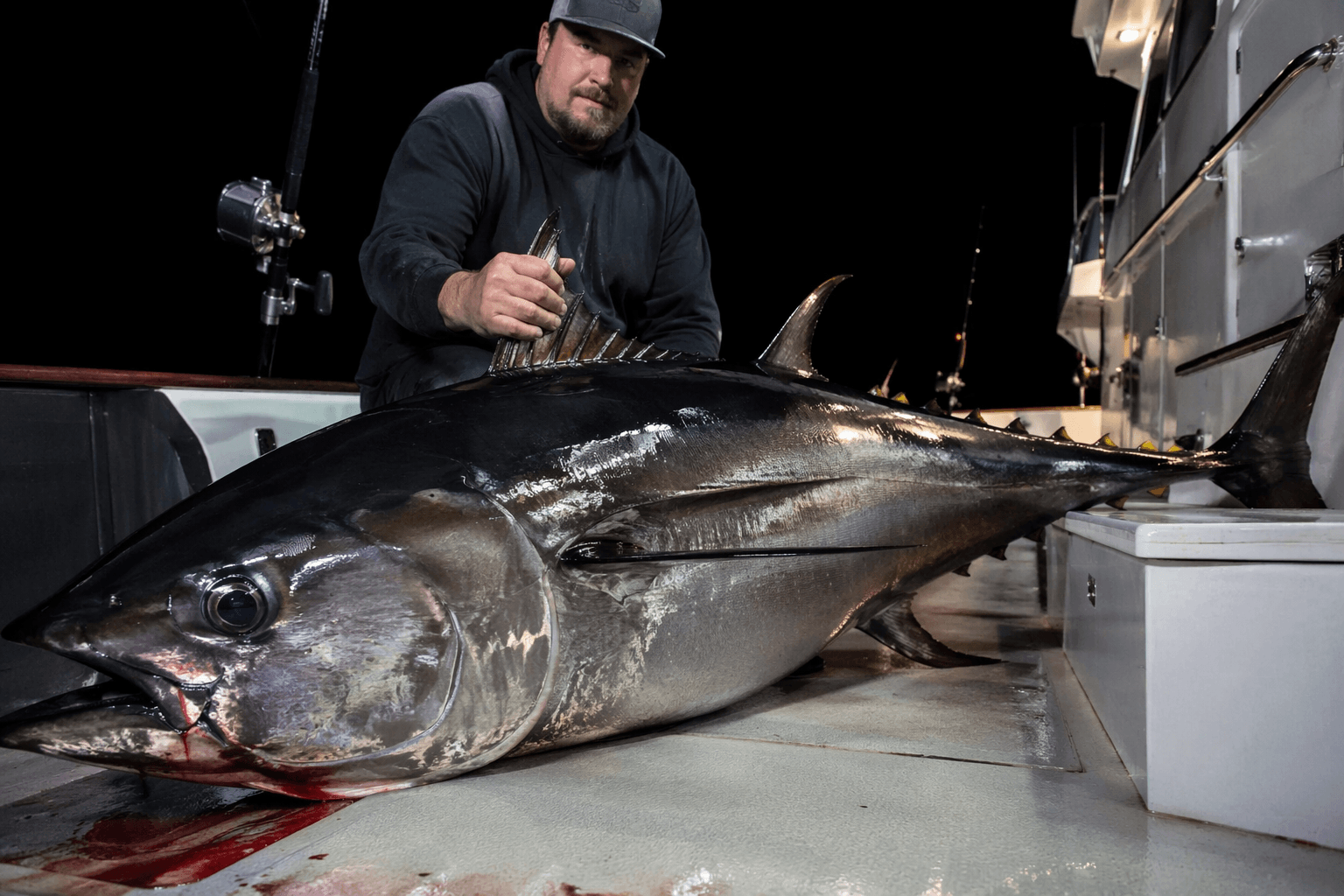
San Diego’s night bluefin are pushing past 250 pounds, so this is a heavy-gear window, not a casual overnight. Long-range boats are adding wahoo, yellowfin, and yellowtail.

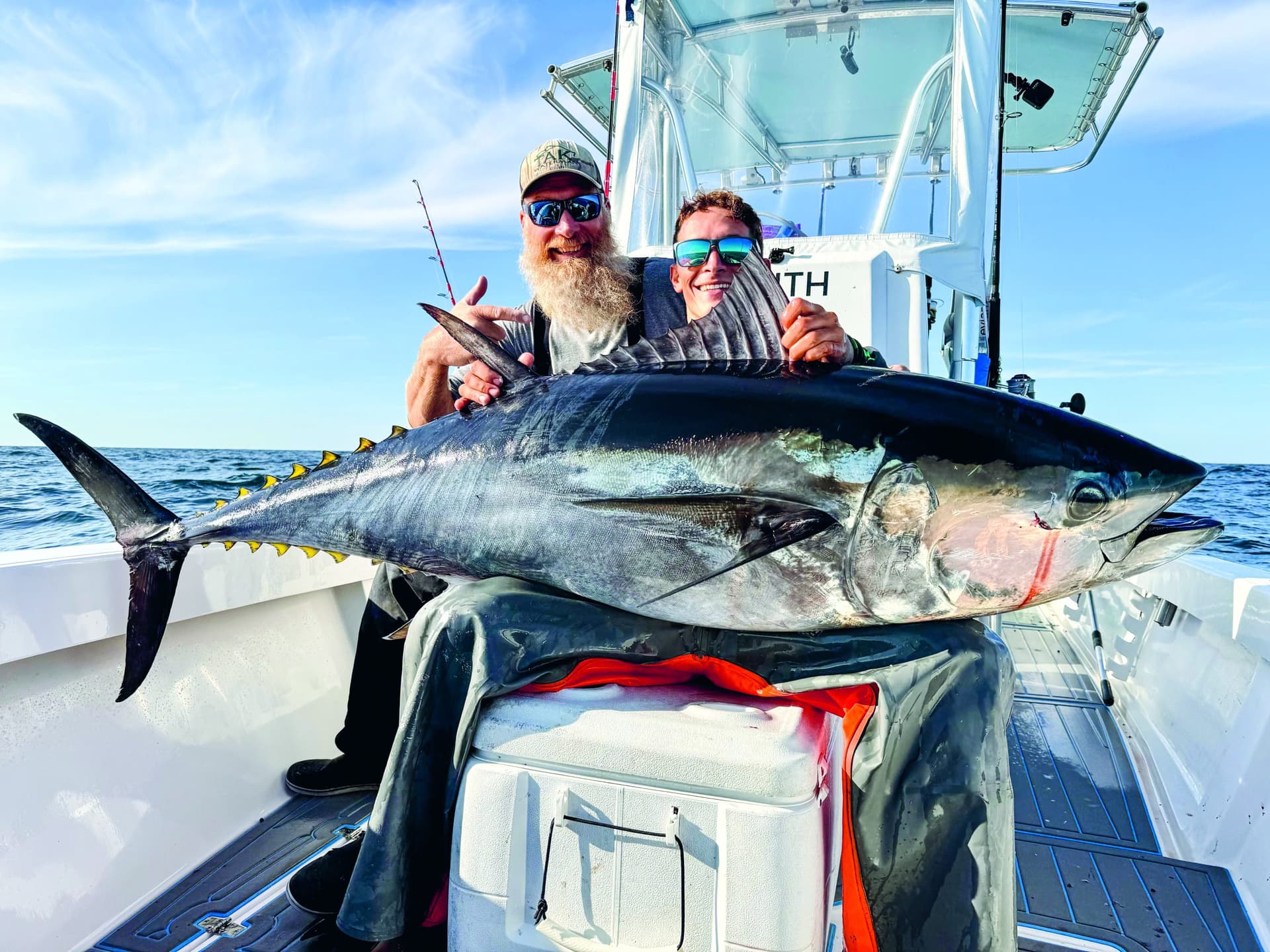
San Diego’s bluefin bite has crossed from hot into the kind of problem that forces a gear decision. Once fish are showing up after dark at 250-plus pounds, the trip stops being about casual offshore luck and becomes a test of whether your setup, your knots, and your crew can survive a brutal nighttime pull. At the same time, the season is broadening south, where longer runs are starting to mix in wahoo, yellowfin tuna, and yellowtail instead of leaving bluefin as the only headline.
What this bite means right now
The clearest read on the moment comes from BDOutdoors’ Long Range Report episode hosted by Steve Carson and sponsored by PENN. The message is simple: the San Diego night bite is real, it is happening after dark, and the fish are large enough that you cannot treat the trip like a routine overnight.
That changes who should go. If you already have heavy bluefin tackle and know how to fish it with confidence in the dark, this is a live window. If you are still leaning on lighter offshore gear or hoping to improvise once the fish are on, this is not the place to learn. At 250-plus pounds, the margin for error gets thin fast, and the bite rewards crews that are ready before sunset.
Why 250-plus pounds changes the job
This is where the hype becomes practical. Earlier BDOutdoors coverage laid it out plainly: nighttime bluefin can run anywhere from 30-pound fish to 200- to 300-pound cows, and the answer is not more enthusiasm, it is heavier gear, marked braid, and better line control. That is the part that matters now, because a 250-pound bluefin does not care how excited you are when it clears the rail.
The non-optional details are the boring ones that save fish. Leader choice, knots, drag settings, and hookup security all move from background concerns to the center of the trip. Marked braid matters because at night you need to know where you are in the water column and how much line you have left. If you cannot trust your rig, the fish will expose it.
For average anglers, that means the question is not whether the bite exists. The question is whether you are joining a boat with the right system already in place. This is still a realistic opportunity, but mostly for people who show up prepared for giant fish rather than hoping to muscle through with standard overnight bluefin habits.
How to judge the trip before you buy the ticket
The best check on whether the bite is worth your time is the kind of count that shows both numbers and size. Fisherman’s Landing reported a very good opportunity on the previous night, with up to 18 bluefin for 15 anglers, including 12 fish in the 120- to 180-pound class. That is the kind of spread that tells you the fish are not just present, they are big enough to force real decisions on deck.
You also want to separate the night bluefin play from the rest of the offshore program. H&M Landing’s latest fish counts still show active offshore trips producing yellowtail, bonito, and other species across 1.5-day, 2-day, and 3-day runs. That matters because it means the broader offshore scene is not just one giant-fish experiment. If you want a mixed bag or a shorter window, there is still life in the shorter trips.
Why the season feels broader, not just hotter
The other reason this matters is that San Diego is not standing alone. Longer 4- to 8-day runs farther south are seeing strong early-season signs of wahoo, yellowfin tuna, and yellowtail at the usual spots. That is the definition of a season broadening, not merely a single hot bite on one piece of structure.
NOAA Fisheries gives the bigger picture. Pacific bluefin tuna are highly migratory, and much of the U.S. catch typically comes from within about 100 nautical miles of the California coast. They can grow to 990 pounds and live up to 26 years, which is why a 250-pound fish is not just a nice bluefin, it is a true trophy-class local fish.
The species has also been rebuilding. NOAA says Pacific bluefin stocks have rebounded enough that they exceeded international rebuilding targets a decade ahead of schedule, and the 2025-2026 U.S. commercial catch limit rose to 1,872.85 metric tons, with a single-year cap of 1,285 metric tons, a nearly 80 percent increase over the previous biennial limit. Recreational anglers and charter captains are also helping collect tagging and migration data, which ties the day-to-day fishery directly into the bigger management picture.
%2Ffit-in%2F1200x630%2Fusers%2F5a4b22ba-9fd9-4757-a0c5-b680f5327378%2Fratecard%2Fimg_2740.jpeg&w=1920&q=75)
What I would have dialed before dark
- Heavy bluefin tackle, not standard offshore gear.
- Rigging you have already tested, especially knots and leader choices.
- Marked braid so you know where the fish is and how much line you have out.
- A drag setting you trust before the first bite, because improvising in the dark is where good trips go sideways.
- A crew that can work a giant bluefin without getting sloppy when the deck gets tense.
That is the real threshold here. A 250-pound bluefin off San Diego is not a novelty catch, and it is not the kind of fishery you beat with optimism alone. If you are set up for it, the night bite is exactly the kind of opportunity West Coast tuna anglers wait for. If you are not, the fish will make the decision for you.
This article was produced by Prism’s automated news system from verified source data, official records, and press releases, then run through automated quality and moderation checks before publishing. The system is built and supervised by the people who set the standards it runs under. Read our full AI policy.
Know something we missed? Have a correction or additional information?
Submit a Tip