Marathon FL tuna report points to strong June offshore conditions
A strong Gulf Stream push off Marathon is lining up blackfin opportunities on the humps, while slack reef water still offers the anchoring and chumming play.
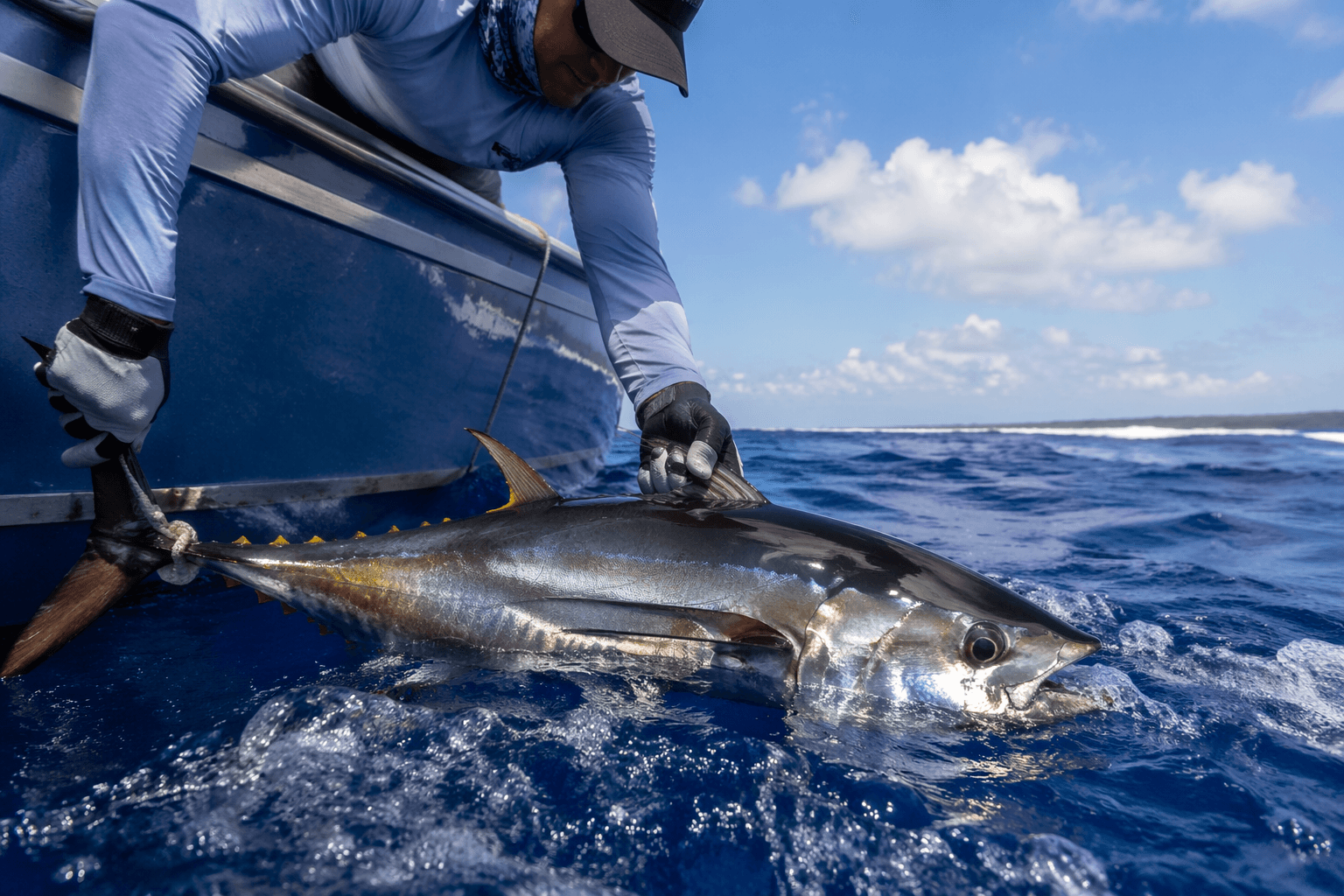
The cleanest blackfin signal in Marathon right now is the water moving past the 408 Hump and Marathon West Hump. When that Gulf Stream flow stays moderate, it sets up the kind of June offshore pattern that can hold blackfin tuna, mahi, and wahoo in the same neighborhood, while the reef becomes the better bet only when current drops enough to anchor and chum.
Read the water before you choose the run
Captain Hook’s is treating the Marathon report like a live planning tool, not a simple catch recap, and that matters because the Keys can change fast. The daily outlook pulls from satellite sea surface temperature imagery, chlorophyll and bait productivity data, surface current charts, and live NOAA marine forecasts, all to track the kind of overnight shifts that move bait schools and redraw thermal breaks. For a tuna trip, that means you are not just looking for fish, you are looking for the stack of conditions that pushes fish into reach.
The forecast language is encouraging for a run offshore, too. Light dawn winds and a pre-frontal bite window line up with a nutrient-rich reef line before afternoon weather changes the picture. That kind of setup is exactly why the report feels tactical: it tells you when the morning is worth burning fuel and when the reef may be the smarter first stop.
Stay on the reef when the current lays down
The reef decision is simple when slack current shows up. Captain Hook’s says the reef is better for anchoring and chumming under those conditions, and warm reef-line water in the 76 to 80-degree range keeps reef fish active. That does not make the reef a tuna dead end, but it does make it the place to slow the day down and work a controlled spread when offshore flow is not doing enough for the humps.
That distinction matters because the Marathon report is really separating two jobs. One is a current-driven pelagic hunt, where moving water and temperature breaks matter most. The other is a reef-side play, where a steady boat, a chum slick, and active water can keep fish around long enough to build a bite. If the flow is soft, the reef wins the first part of the morning. If it stays firm, the humps take over.
Make the run when the Gulf Stream is pushing the humps
The Marathon West Hump has earned its reputation for a reason. Florida Sportsman places it about 30 miles offshore from the Middle Keys, on a course of 135 degrees from Marathon, and says the Marathon West Hump name was already being used in the 1970s to promote the fishing there. Other references group it with the Marathon Humps system, which includes the West Hump, the 409 Hump, and the Marathon East Hump, while one source describes the rise from roughly 1,150 feet of surrounding water to a pinnacle around 480 to 500 feet.
That kind of bottom shape is exactly why captains keep it central in summer planning. FishTrack notes that local boats often work the reef edge first, then run farther offshore to the Marathon Hump, 409 Hump, and Islamorada Hump because those seamounts draw mahi, blackfin tuna, sailfish, and wahoo. Captain Hook’s adds the key tactical layer by saying the Gulf Stream flow past the 408 Hump and Marathon West Hump creates ideal conditions for mahi, blackfin tuna, and wahoo. That is the kind of offshore combination you want when you are deciding whether to stay tight to the reef or commit to bluewater structure.
How to put blackfin ahead of mahi and wahoo on the same trip
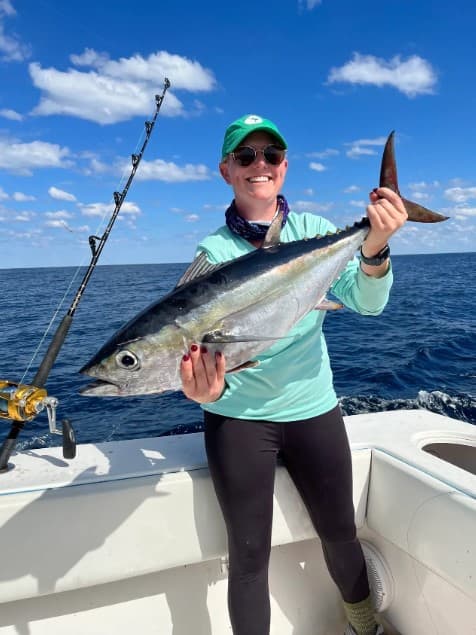
Blackfin tuna should be treated as the core tuna target in this setup, not a background bonus. Florida Fish and Wildlife Conservation Commission materials describe blackfin as a pelagic species found in both state and federal waters, and they note that staff has heard concern about the fishery in recent years, especially from southeast Florida and the Keys. That makes the Marathon hump pattern more than just another summer bite note, because it sits in a fishery that managers are watching closely.
From a practical standpoint, the species mix on these humps forces real prioritization. Blackfin tuna are the species to anchor the trip around when current, color, and bait stack over the structure. Mahi belong in the same plan because they key on the same moving water and offshore edges, while wahoo stay in the conversation because they also favor that current-and-break setup. NOAA describes Atlantic mahi mahi as highly migratory and environmentally driven, which is one reason the temperature and bait picture matters so much, and NOAA says Atlantic wahoo feed mainly on squid and fish and can produce anywhere from half a million to 45 million eggs per year. In other words, the offshore food chain here is built around movement, not stillness.
Keep the rules in mind before the first drop
The blackfin bite comes with a regulation reality check. FWC says blackfin tuna currently has no species-specific state regulation and falls under Florida’s default recreational limit of two fish or 100 pounds per day, whichever is more, in state waters. The agency also notes that federally managed tunas require a federal Highly Migratory Species Angling Permit, which matters any time the trip shifts into the broader tuna category offshore. That is part of the same planning conversation as fuel burn, current, and sea state.
The bigger point is that the Marathon report is pointing to a very specific June offshore recipe: moving current, stacked bait, a warm reef line, and a seamount system that has been producing for decades. When the reef goes slack, it is time to anchor and chum. When the Gulf Stream pushes across the humps, it is time to run, because that is where blackfin live in the same lane as mahi and wahoo.
This article was produced by Prism’s automated news system from verified source data, official records, and press releases, then run through automated quality and moderation checks before publishing. The system is built and supervised by the people who set the standards it runs under. Read our full AI policy.
Know something we missed? Have a correction or additional information?
Submit a Tip