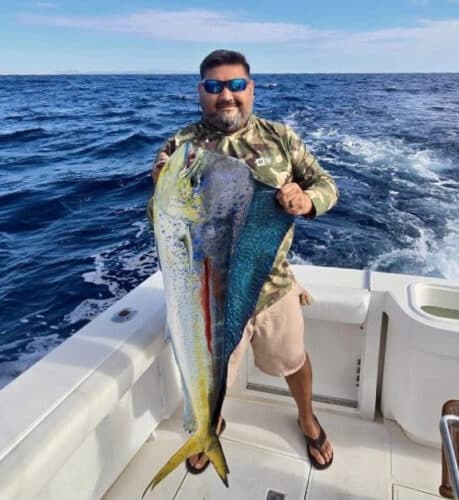
Juno Bait report shows how to catch blackfin tuna offshore now
Blackfin are holding in 200 to 300 feet off Juno, and the bigger fish are falling to deep jigs or live bait 25 to 50 feet down.

The Juno cue right now
If you want a blackfin shot off Juno Beach this week, start by fishing 200 to 300 feet and make your first decision about depth, not distance. Juno Bait’s weekly May 14 report says blackfin stayed solid in that band even as dolphin slowed and spread deeper, and the bigger tuna were not taking a generic offshore spread. They were coming on vertical jigs, or on live bait fished 25 to 50 feet down.
That is the useful part of the report: it turns an offshore drift into a targeted tuna program. If you are after a better class of fish, carry jigs like JYG Pro Stryke or Nomad Streaker and be ready to drop fast. If you are after steady rods-bending action, keep a trolling spread in the water with compact lures and feathers, including Ballyhood Tuna Taco and All-Star-style lures, because the smaller blackfin were still showing on the move.
How to turn the report into a plan
The pattern is simple enough to build a day around. Work the 200 to 300-foot zone first, then choose your presentation based on what you want most. Deep vertical metal and live bait set well below the surface are the better play for size, while trolling remains the easier way to find school fish and keep a spread active.
A practical offshore setup from the week looks like this:
- Drop vertical jigs when you are marking bait or seeing tuna sign in the 200 to 300-foot zone.
- Set live bait 25 to 50 feet down if you want a shot at the larger fish.
- Troll compact lures and feathers if you are happy to pick at smaller blackfin and cover water.
- Keep the boat ready to change pace quickly, because the report shows a mix of fish sizes rather than one clean pattern.
That mix matters. A lot of offshore trips fail because the spread is built for speed and distance when the fish are actually holding deeper and reacting to a more vertical presentation. In this case, the adjustment is not subtle: go from broad searching to a focused tuna shot in the depth band where the report says the fish are living.
Read the rest of the offshore picture
The blackfin bite did not exist in a vacuum. Kingfish were strong along the 120-foot ledge, with the best bite at sunrise, and mutton snapper were showing in 90 to 100 feet on sardines or fresh bonita chunks. Those catches are worth noting because they point to bait, structure, and current edges that usually make the offshore program come alive.
Even the slowing dolphin reports help define the lane. When dolphin slide deeper and the bite gets scattered, tuna often become the cleaner target, especially in the deeper water where the Juno report says blackfin stayed solid. That is why the tuna bite is the story here, not just another mixed-bag offshore update. The useful signal is that the fish were still there, still catchable, and still responding to specific presentations rather than random dragging.
Why blackfin matter in South Florida
Blackfin tuna are not a fringe catch here. The Florida Fish and Wildlife Conservation Commission says they range from Massachusetts to Brazil and into the Gulf of Mexico, and southeast Florida is a major spawning area from May through June. That timing lines up neatly with the current run of action, which is one reason May and early summer can feel like the fish are moving through with purpose instead of just passing by.
The fishery is also overwhelmingly recreational. FWC says 92% to 95% of the harvest has come from recreational anglers in recent years, which explains why the blackfin conversation in South Florida is so often built around boats, crew confidence, and local timing rather than commercial pressure. Around Palm Beach County, the species has become a familiar target because the run is real, the legal framework is straightforward, and the better fish can justify the effort.
The rulebook that shapes the bite
The current Florida limit is two blackfin per person per day or 10 per vessel per day, whichever is greater. FWC says that approach grew out of seven public workshops in 2019, where anglers and charter captains backed reasonable species-specific blackfin regulations. Federal HMS permit rules apply when targeting regulated tunas in state and federal waters, so the paperwork side matters as much as the tackle when you head offshore.
That matters because blackfin are one of those species where the line between a good day and a great one can be a couple of fish over the legal threshold, especially when the larger class shows up. If you are fishing with a crew, the vessel limit can shape the whole rhythm of the day. If you are fishing solo or with one partner, the per-person limit keeps the target clear and the decisions simple.

What the broader South Florida run says
A May 18, 2026 report from Sport Fishing reinforces the same general window: May through July is prime time for blackfin off South Florida. It also notes that fish move up from the Keys toward Palm Beach in May, and that successful anglers often chum with 500 to 1,000 live pilchards while fishing 100 to 200 feet near wrecks or reef. That is a different depth range than the Juno report’s 200 to 300-foot tuna lane, but the message is consistent: bait, depth, and structure are doing the heavy lifting.
The West Palm Beach Fishing Club’s 2026 Palm Beach Tuna Tournament made the size conversation even more obvious. The event ran April 25 through May 9, 2026, paid weekly cash prizes for the three heaviest blackfins, and set a 40-pound minimum for trophy tuna entries, including blackfin, yellowfin, bluefin, and bigeye. That kind of format does not happen unless local anglers believe bigger blackfin are a real target worth chasing right now.
The cleanest blackfin play
The Juno picture is narrow, and that is what makes it useful. Work 200 to 300 feet, choose deep jigs or live bait if you want the better fish, and keep a trolling spread ready if you want to stay on school tuna while covering water. When the offshore bait is right and the current edges are lined up, that is how a generic trip becomes a blackfin plan with a clear shot at the fish that matter most.
This article was produced by Prism’s automated news system from verified source data, official records, and press releases, then run through automated quality and moderation checks before publishing. The system is built and supervised by the people who set the standards it runs under. Read our full AI policy.
Did this article answer your question?