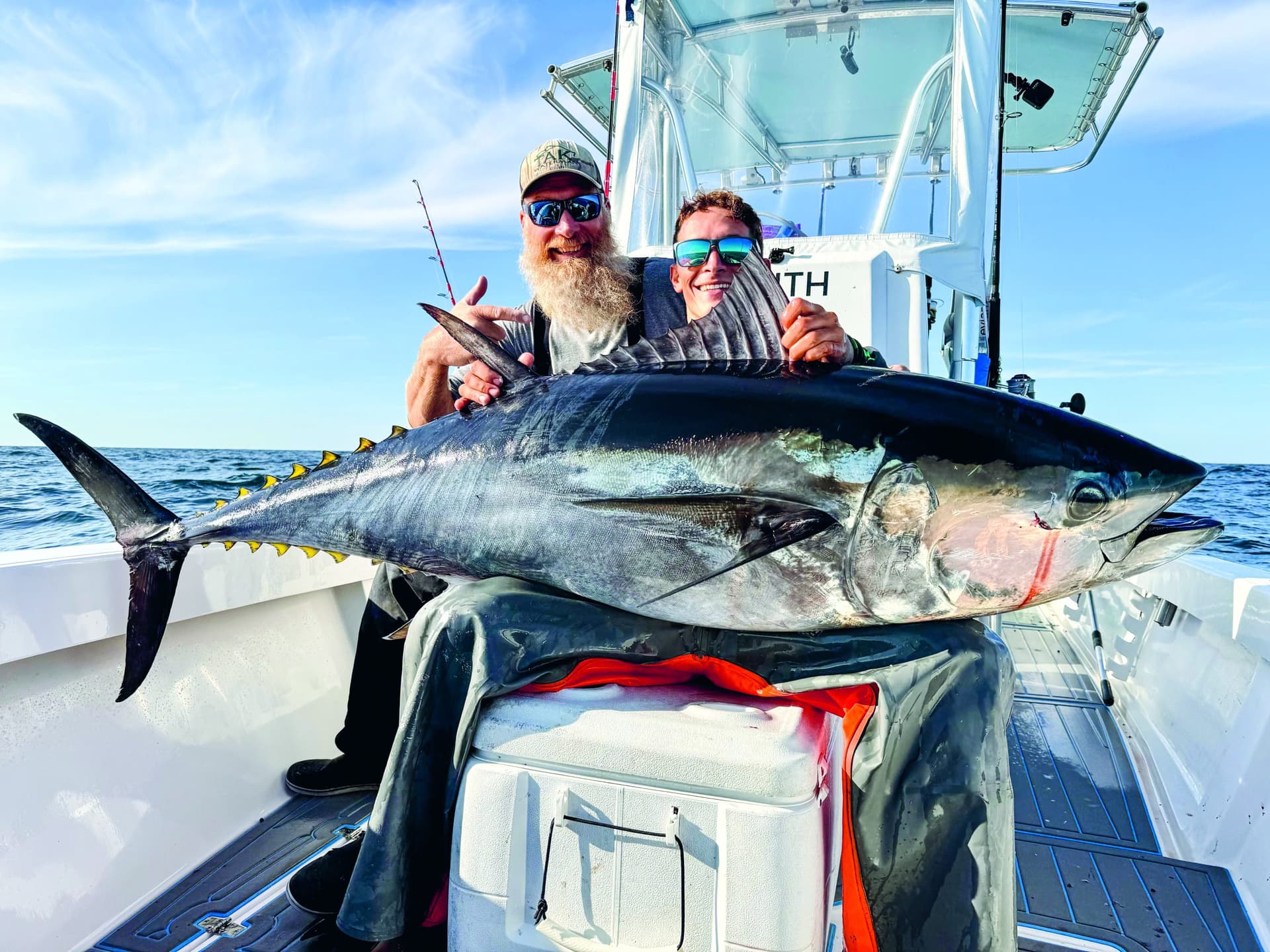
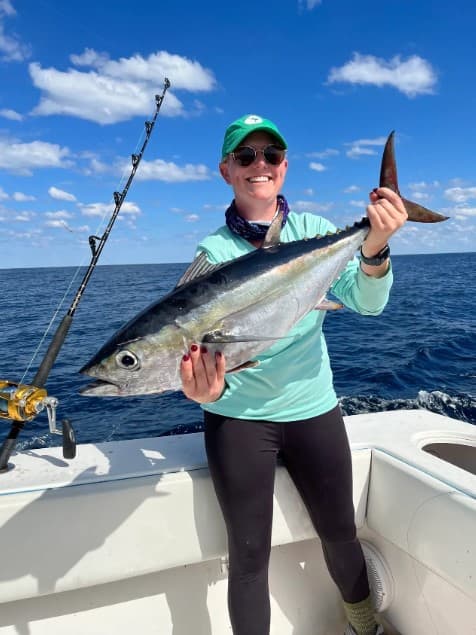
Key West June report shows blackfin tuna in offshore mix
Blackfin are still a real June option off Key West, but they now fit best inside a broader offshore plan unless the edge, bait, and weather line up cleanly.
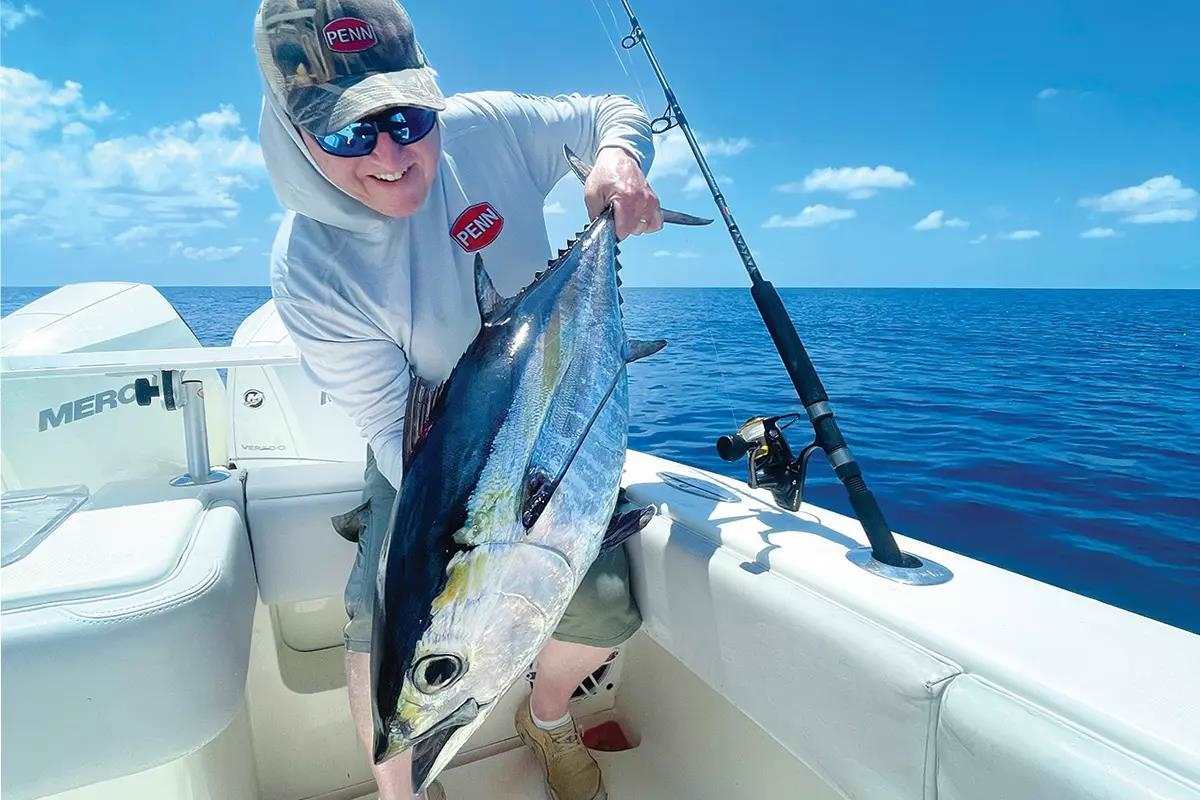
Blackfin still matter in the June offshore mix
The June offshore picture out of Key West is busy enough that blackfin tuna are not the only fish drawing attention, but they are far from an afterthought. When the reef is loaded and baitfish are stacked along the edge, blackfin slide into the same conversation as wahoo, kings, barracudas, bonita, mahi, and sailfish, which is exactly the kind of mixed-water setup that keeps tuna in play.
That is the key adjustment for Lower Keys anglers right now. Blackfin are still worth targeting, but in June they are often best treated as part of a living offshore system rather than the single species that defines the trip. If you are fishing the edge early, reading current and weather, and staying ready to move when bait gets tight, tuna can still be a meaningful score.
When blackfin should be the primary plan
Blackfin deserve top billing when the offshore signs point to a tight, structured bite. In Key West, that means focusing on ledges, temperature breaks, and any stretch where bait is concentrated hard enough to hold fish. A June Florida Keys piece on live-baiting blackfin specifically points to Key West as one of the better places to target them, especially when anglers can get plenty of pilchards and fish the right structure.
That makes blackfin a strong primary target when you can build the day around tuna behavior instead of hoping they show up as a bonus. If you have bait in hand, clean water on the edge, and the flexibility to work spots instead of blasting around the grounds, tuna can absolutely headline the plan. In that kind of setup, the mixed offshore bite is a strength, not a distraction.
When blackfin are the smarter secondary target
On other days, the June transition pushes blackfin into more of a secondary role. The broader offshore lineup is active enough that mahi, sailfish, wahoo, kings, and the rest can dominate the conversation, especially when weather and current spread the bite across more water. In those conditions, tuna are still worth keeping on the radar, but they are usually best handled as part of a broad blue-water approach.
That is a useful shift compared with spring expectations. Spring often feels more concentrated, while June opens the door to a wider offshore spread, which means your encounter odds improve when you stay versatile. If you lock yourself into one narrow pattern, you can miss the mixed action that makes this stretch of the season productive. If you keep blackfin in the plan but do not force them to carry the whole trip, you give yourself a better shot at a quality box.
What June means for encounter odds
June is one of those months when the offshore scene starts to look layered. The report’s take is simple: the reef edge is alive, bait is stacked, and the bite is strong enough to support early departures and edge fishing. That matters because blackfin usually benefit from the same ingredients that light up the rest of the system, especially tight bait and active water.
The Lower Keys are in a transition window where tuna are not isolated. They are showing up inside a broader seasonal pattern that also supports a full mixed bag offshore, which is why encounter odds depend so much on how well you match the day’s conditions. If the bait is compact and the water is right, blackfin are a meaningful possibility. If the pattern shifts wider, they become one more species in a blue-water spread that still rewards patience and coverage.
Why the biology lines up with the June bite
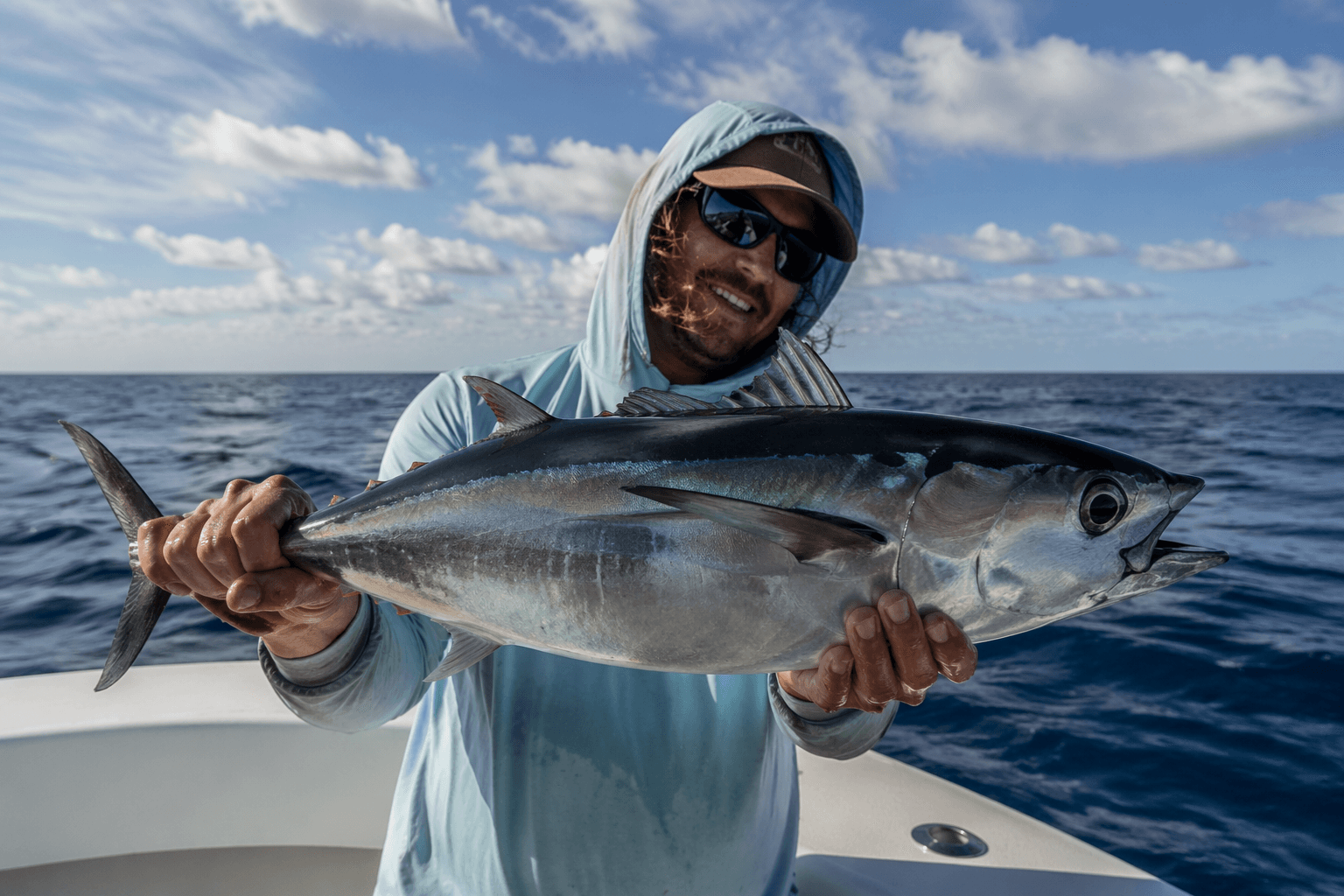
The timing fits the fish. Florida Fish and Wildlife Conservation Commission says blackfin tuna are native to Florida waters, found in coastal to offshore waters, and commonly reach about 28 inches. They feed on small fishes, invertebrates, and plankton, which helps explain why bait concentration is such a big deal when you are hunting them.
The spawning cycle also matches the season. FWC says peak spawning in Florida runs from May through June in southeast Florida and during late spring and summer in the Gulf of Mexico. That does not guarantee a bite on any given day, but it does make June a biologically sensible month to see blackfin folded into the Keys offshore mix. The fish are in the right waters at the right time, and the bait-driven pattern fits the calendar.
Rules, reporting, and the mixed-fish reality
If you are specifically targeting federally managed tuna, including blackfin, the permit side matters just as much as the fishing side. FWC says anglers need a federal HMS Angling Permit in state and federal waters, and landed HMS fish generally must be reported to NOAA Fisheries within 24 hours. That is the kind of detail that can get overlooked when the bite is hot, but it is part of running a clean offshore program.
The broader harvest picture also tells you how the fishery really works. FWC’s 2019 blackfin tuna presentation says recreational anglers account for 92% to 95% of landings, with 60% of recreational landings over the prior five years coming from private vessels and 40% from for-hire boats. It also says more than half of annual harvest comes from federal waters in most years. That is a strong signal that blackfin are very much a working recreational fish, not a niche side note.
For mixed bags, keep the general bag-limit framework in mind as well. FWC says unregulated species default to a recreational bag limit of two fish or 100 pounds per day, whichever is more. In a June offshore spread where multiple species can show up, that sort of clarity helps you keep the day straight while you move between tuna, mahi, kings, and whatever else is feeding.
How to fish the June blackfin window
- Start early and work the edge.
- Focus on ledges and temperature breaks.
- Bring pilchards if you want to fish blackfin the way Keys captains like to do it.
- Stay flexible enough to pivot when the offshore mix turns over.
- Treat tuna as a primary target only when bait and structure are stacked in your favor.
The most effective June approach is simple and practical:
That is the real June lesson for Lower Keys anglers. Blackfin tuna are still worth the effort, but they are best read as part of a bigger offshore picture, not as a lone headline. When the reef edge is alive and the bait is packed tight, the tuna window opens enough to matter, and that is exactly why they stay relevant in Key West even as summer’s broader blue-water mix takes over.
This article was produced by Prism’s automated news system from verified source data, official records, and press releases, then run through automated quality and moderation checks before publishing. The system is built and supervised by the people who set the standards it runs under. Read our full AI policy.
Know something we missed? Have a correction or additional information?
Submit a Tip