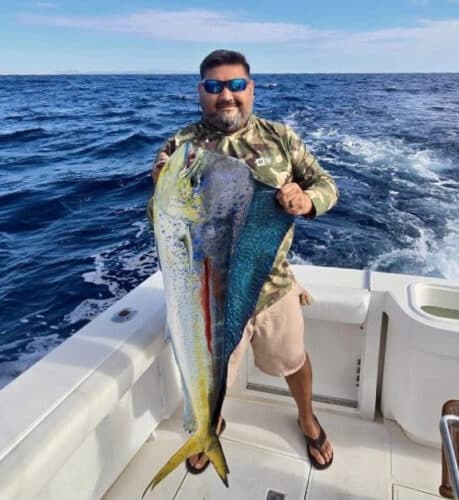
Longer Haleiwa charters needed to reach summer tuna grounds
Haleiwa’s tuna bite is real, but the boats that reach it are running long. Six-hour-plus charters are the difference between hoping and fishing the offshore grounds.
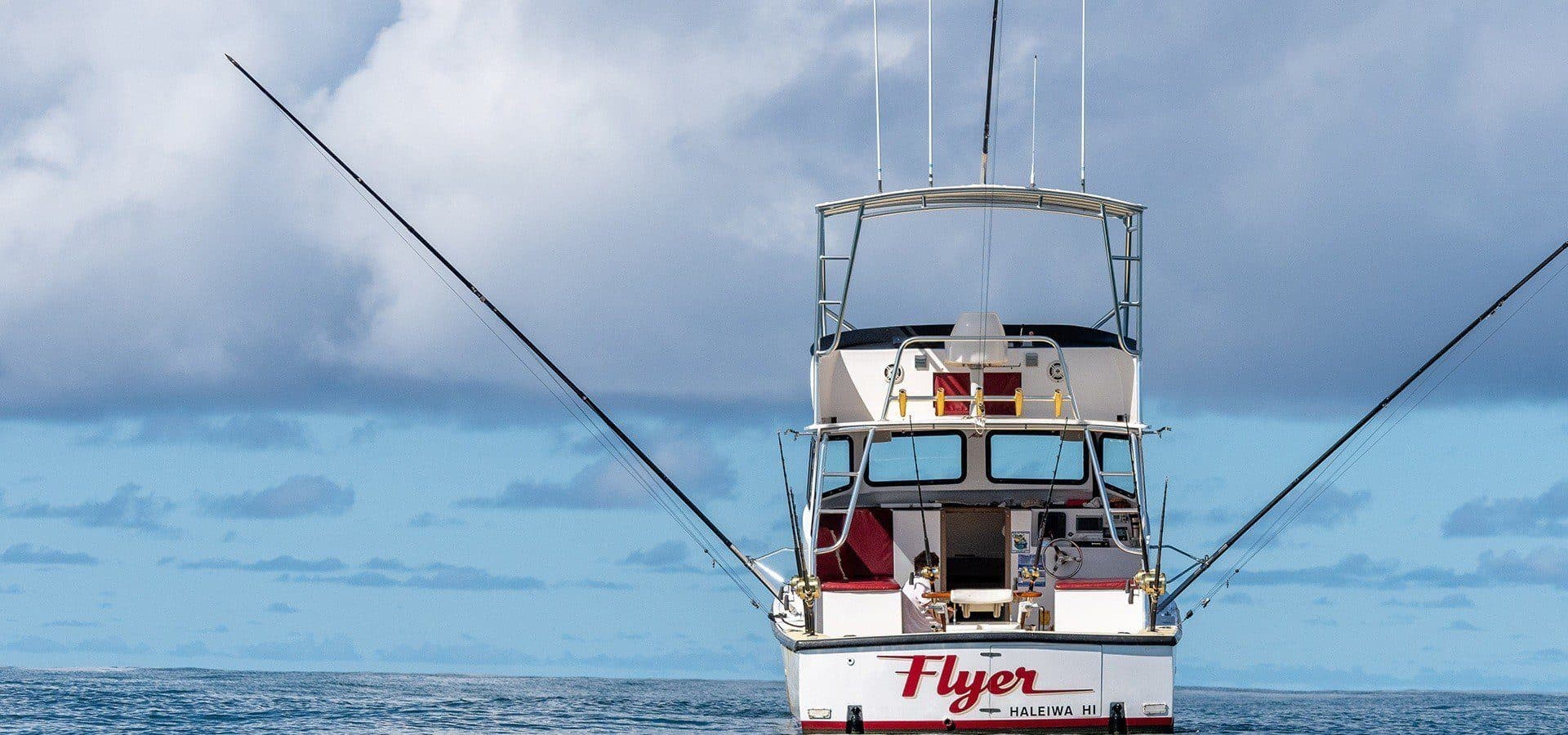
The tuna bite off Haleiwa is not a half-day proposition. The latest reports make the practical answer clear: if you want a real shot at the summer grounds, book time, not just a seat, because the productive water sits far enough offshore that shorter trips can leave you watching it pass by.
How long it takes to get to the fish
A June 3 Haleiwa report puts the trip math in plain language: anglers need “atleast 5 -6 hours” to target 100-pound tuna, and the tuna grounds are about 1.5 hours each way by boat. That is the core lesson of the North Shore summer program. A short charter may still put a lure in the water, but it does not reliably buy you enough time to make the run, work the grounds, and fish with any real window for tuna.
The late-June Haleiwa reports push the same advice even harder, recommending six-hour or longer charters to reach the grounds. That is the kind of detail that changes booking decisions before a rod ever leaves the rack. If you are choosing between the cheapest option and the option that actually reaches the fish, the Haleiwa reports are telling you where the better bet lives.
What is showing up offshore
The June 28 Haleiwa report tags albacore, skipjack tuna, yellowfin tuna, striped marlin, blue marlin, spearfish, dolphin, and giant trevally. That mix matters because it points to a broad pelagic window, not a one-species flurry. When albacore shows up alongside yellowfin and skipjack, you are looking at active tuna movement, and the marlin and spearfish tags show that the offshore scene is full-spectrum.
That same report came from a V.I.P.-5 STAR family-friendly charter, which adds another useful layer to the picture: the bite is being documented by boats that are already out working the summer grounds, not by guesswork from shore. For anglers planning a trip, the message is simple. Summer off Haleiwa can turn into a mixed-bag day where tuna share the water with billfish and other fast pelagics, so the trip has to be built for range, speed, and enough fishing time once you get there.
Why Haleiwa runs the way it does
Ke Nui Charters helps explain why the trip length matters so much here. Leaving out of Hale‘iwa Boat Harbor, the North Shore has “mile deep water just a few miles out,” and that close access to depth is what feeds the offshore program. The charter targets Ahi, Aku, marlin, spearfish, ono, and mahi mahi, which is a very Hawaiian way of saying the run can turn into a full pelagic rotation if conditions line up.
That water structure is why Haleiwa is such a strong summer departure point. Deep blue water close to shore does not automatically mean fish are right at the harbor, but it does mean the boats can get to tuna and billfish territory faster than many anglers expect. Even so, the June 3 report makes clear that reaching the actual tuna grounds still takes serious time, which is why the charter length is the deciding factor, not just the harbor location.
The seasonal context around the bite
The Haleiwa reports also fit into Hawaii’s broader June pulse. FishingBooker’s Hawaii page says the Hawaii Marlin Tournament Series starts in June and highlights the Kona Kickoff, the Firecracker Open, the Maui Film Festival, and pelagic species including tuna. That is a strong signal that the state is moving into a classic offshore stretch, with competition, events, and gamefish activity all stacking into the same window.
For Haleiwa, that seasonal backdrop reinforces what the local reports are already saying: tuna are in the mix, and the boats that can run longer are the ones best positioned to take advantage. The combination of tournament season, pelagic presence, and North Shore depth is exactly why summer charters here are built around range rather than convenience.
Planning the trip before you book
Haleiwa’s charter market is healthy enough to give anglers choices. The Haleiwa charter directory lists more than 39 fishing charters in town, which means there are enough options that the details matter. Length, fuel burn, run time, and the captain’s willingness to push offshore all affect whether the day turns into a tuna trip or just a scenic boat ride.
A few practical takeaways stand out from the reports:
- Six-hour or longer trips are the safer bet if tuna is the goal.
- A 5 to 6 hour charter is the minimum described for targeting 100-pound tuna.
- The run to the grounds can take about 1.5 hours each way, so short trips lose precious fishing time fast.
- Expect a mixed offshore spread, with tuna sharing the stage with marlin, spearfish, ono, mahi mahi, and giant trevally.
Hawaii’s Division of Aquatic Resources provides the regulatory backdrop for all of it, and its fishing regulations page is current as of May 2025 and subject to change. That matters because the season can be lively, but the rules still set the frame for what anglers can keep and how they fish.
The takeaway from Haleiwa is not just that tuna are around. It is that the charter length decides whether you actually get to them, and the boats that run long enough are the ones that can turn a summer booking into time on the real grounds.
This article was produced by Prism’s automated news system from verified source data, official records, and press releases, then run through automated quality and moderation checks before publishing. The system is built and supervised by the people who set the standards it runs under. Read our full AI policy.
Did this article answer your question?