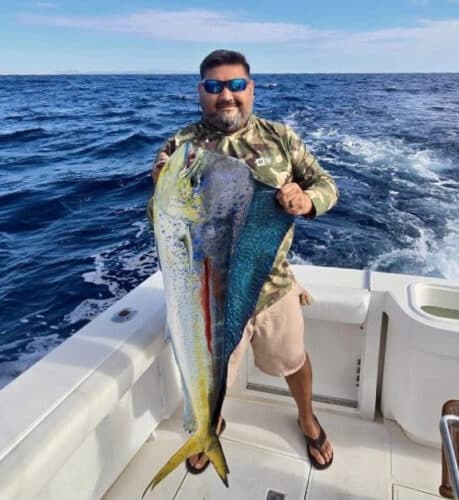
Los Sueños report says morning offshore trips produce yellowfin tuna action
Morning departures are producing the cleanest yellowfin shot in Los Sueños, with mahi-mahi and billfish stacking the offshore payoff before afternoon showers build.
Morning offshore is the play
The best yellowfin window in Los Sueños opens before the clouds do. The report, published May 15 and updated May 19, says offshore action has stayed strong through the second half of May, and the clearest pattern is simple: leave early, fish hard, and expect the bite to soften as green-season showers build later in the day. It is valid through May 31, which makes the next few mornings especially useful for anyone trying to turn a short trip into a real shot at tuna.
That timing matters because Costa Rica’s green season runs from May through mid-December, and the weather pattern changes how the day gets used. In the Central Pacific, especially around Los Sueños and Jacó, the fishing window is often as much about rain bands and sea conditions as it is about fish movement. For tuna anglers, that means the first light run is not a casual preference, it is the highest-value move in the report.
Why Los Sueños keeps paying off
Marina Los Sueños in Playa Herradura sits in one of Costa Rica’s core sportfishing zones, and the location is part of the story. Visit Costa Rica highlights the Central Pacific as a sportfishing region, and the marina itself is set up as a serious launch point, with 250 docks and full marina services. That infrastructure matters when the day calls for a quick offshore push, a weather-adjusted plan, or a combo trip that can pivot without wasting time.
The fishery also has the kind of reputation that makes yellowfin reports here carry extra weight. Visit Costa Rica says Costa Rica hosts five major Grand Slam events each year, including three at Marina Los Sueños, and the International Game Fish Association has long framed the area as a place where double-digit bites and even triple-headers can be commonplace. That is not just trophy hype. It points to a fishery where tuna sit inside a broader pelagic system that can produce real volume as well as standout fish.
What is biting offshore
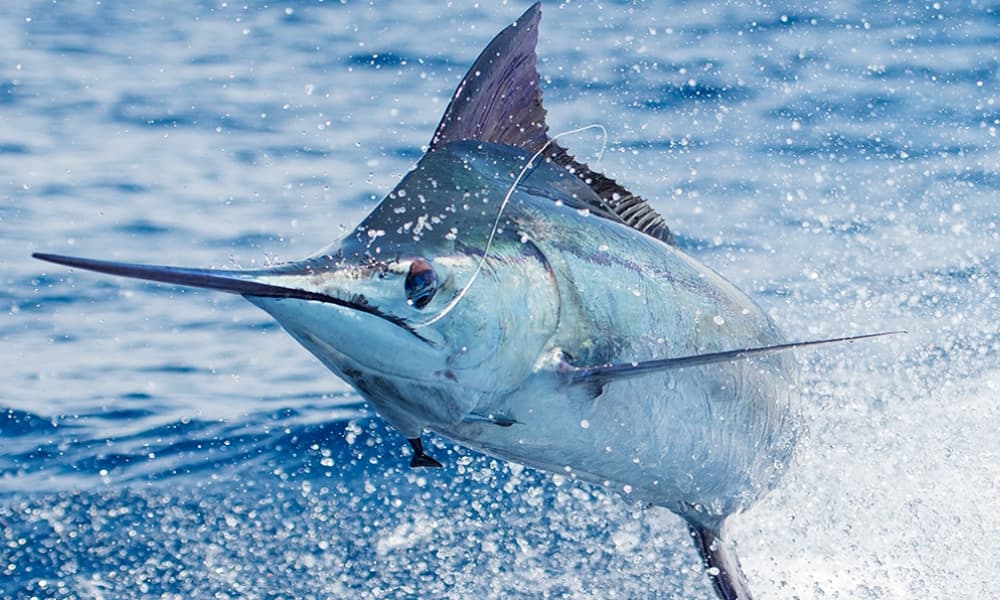
The offshore headline right now is yellowfin tuna, but the report does not treat tuna as a one-species story. Mahi-mahi, yellowfin tuna, and billfish are leading the way, and the top-species list also includes Pacific sailfish, blue and striped marlin, roosterfish, and cubera snapper. That mix tells you the water column is active and the local food chain is doing what anglers want it to do in green season.
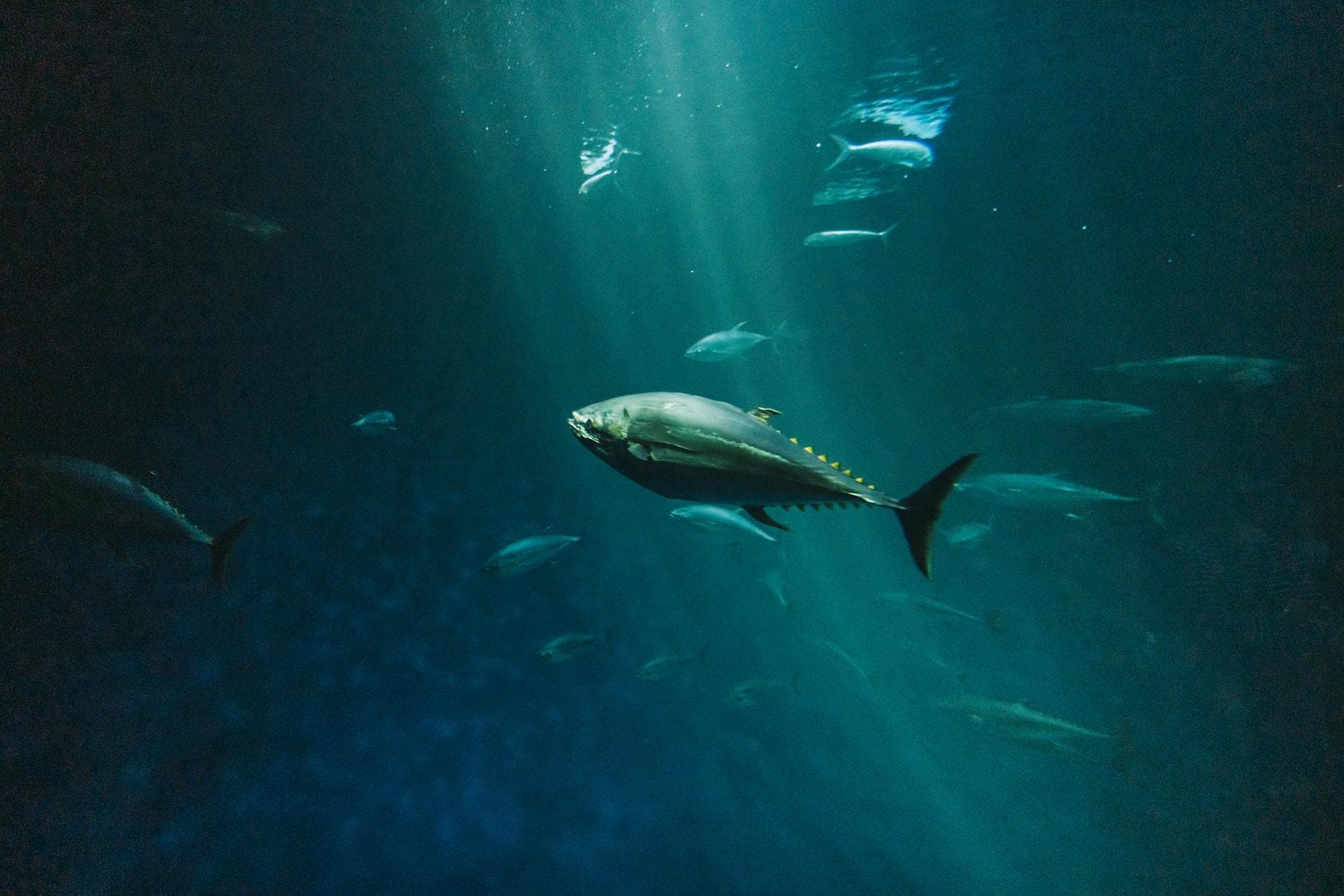
For tuna-specific trips, the report points toward productive current lines and floating debris as the places to spend time. That is the kind of detail that helps a boat day come together, because it gives the captain a clear search pattern instead of a vague hope for offshore magic. If yellowfin are the goal, a full-day charter is the better fit, since the strongest action may be spread across multiple pieces of structure and moving water.
The yellowfin angle is backed by last May’s Los Sueños report as well. A May 2025 update said yellowfin were abundant, averaging about 80 pounds and reaching up to 150 pounds. That earlier result does not guarantee a repeat, but it does show that this stretch of coast has already produced the kind of fish that make a morning run feel worth it before the coffee cools.
Inshore backup with real value
The report is equally useful for mixed groups, because the inshore bite gives you a real fallback if the offshore plan changes. Around beaches and river mouths, roosterfish and snapper are showing steadily, and FishingBooker’s May 2026 view of the area describes May as a transitional period with roosterfish and snappers abundant in Herradura Bay. That lines up neatly with what anglers see in the green season: some days belong offshore, but there is still enough life inside to save the trip if weather or timing pushes you closer to shore.
That makes half-day and three-quarter-day charters a smart call for families, first-timers, or anyone who wants more flexibility than a long offshore run allows. You can still fish productively, still see action, and still keep the day open to pivot if the sky starts building. The key is knowing the difference between a tuna-first itinerary and a mixed bag day before you leave the dock.
- Choose a full-day offshore charter if yellowfin is the priority and you want to work current lines and floating debris.
- Choose a half-day or three-quarter-day trip if you want inshore variety, a better weather cushion, or a family-friendly pace.
- Start early, because the most consistent results are coming in the morning before the green-season showers stack up.
- Keep a combo mindset, since offshore mahi and yellowfin can pair with inshore roosterfish and snapper on the same regional pattern.
That is the real value of this report: it does not just say fish are around, it tells you how to use the day. If you are heading to Los Sueños now, the play is to treat the morning offshore window like the main event, then let the rest of the Central Pacific fishery give you a backup plan. The tuna bite is strongest when the boat leaves first, and in green season, that head start is often the difference between a good day and the day you remember.
This article was produced by Prism’s automated news system from verified source data, official records, and press releases, then run through automated quality and moderation checks before publishing. The system is built and supervised by the people who set the standards it runs under. Read our full AI policy.
Did this article answer your question?