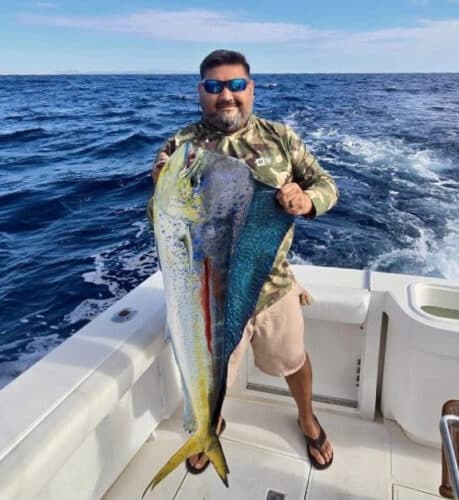
New moon tides boost blackfin tuna bite on Keys reefs
The new moon sharpened the Islamorada bite, and the best blackfin window came early, on moving tide, before the breeze filled in.
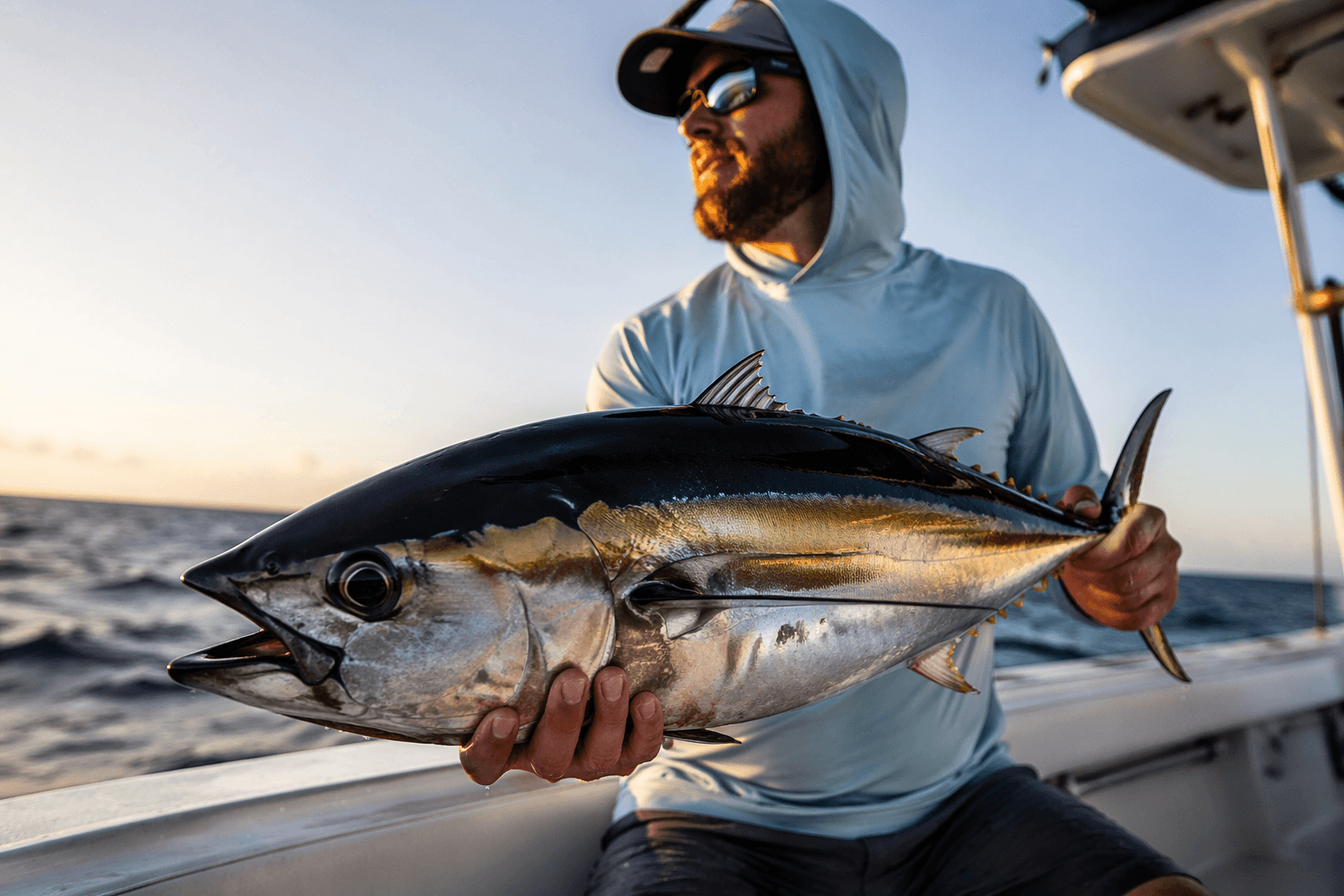
The reef bite turns on when the tide does
When the new moon hits the Keys, blackfin tuna stop being a guessing game and become a timing puzzle. In Islamorada, the strongest signal was not the breeze, which was building, but the water movement, which was about to surge through the reef channels and push bait across the structure.
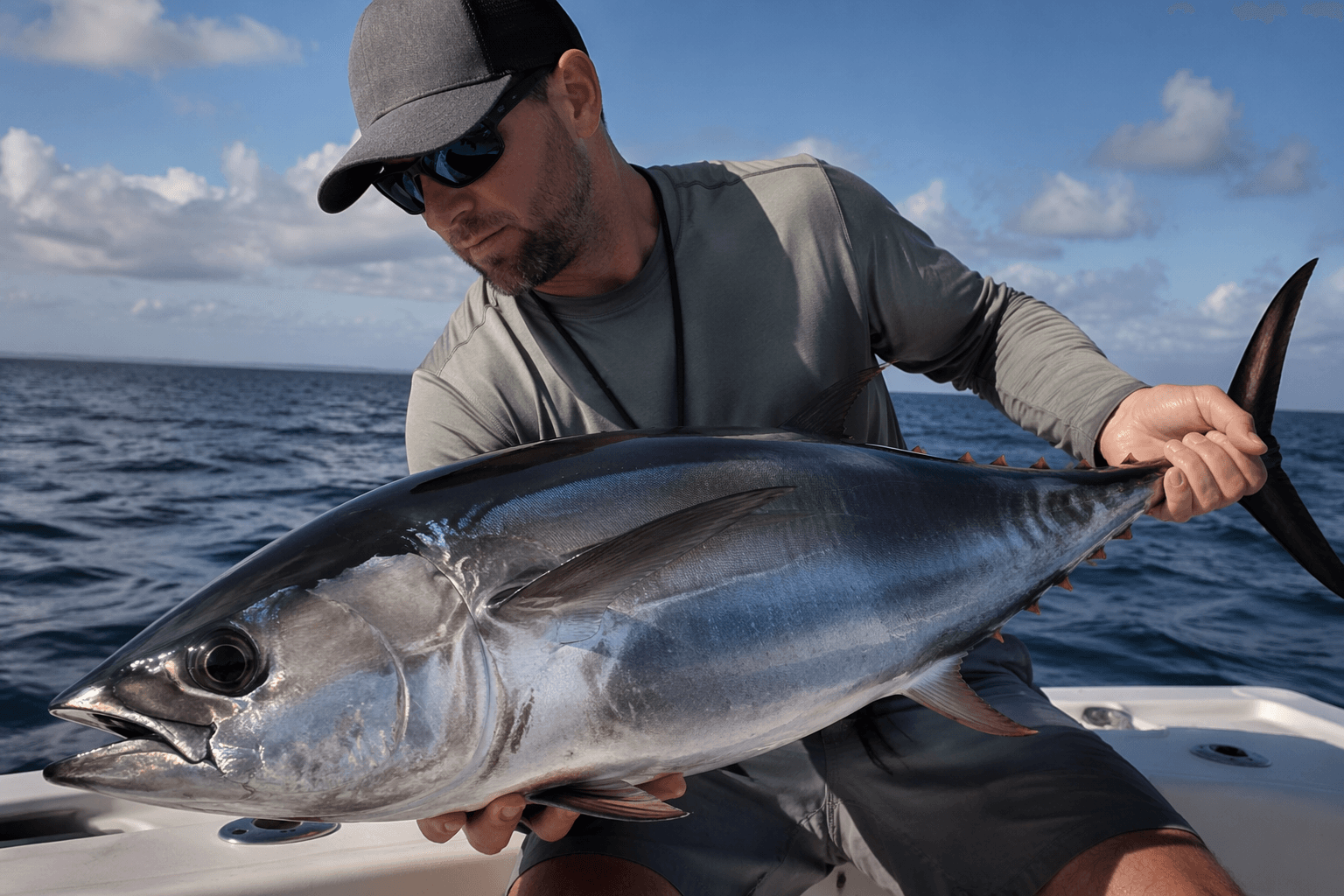
That is the frame anglers were working from: near-reef water held at 82 to 84 degrees, east winds were starting around 10 knots and building to 10 to 15 knots, and Hawk Channel was running 1 to 2 feet while the offshore Straits were forecast at 2 to 3 feet and building higher by night. Even with those conditions on the board, the captain’s log made the real call plainly: the tide was king.
Why the new moon matters on the Upper Keys reefs
The new moon created the month’s widest tide swing, and that is what wakes up a reef-and-hump tuna bite. With maximum tidal amplification, more water moves through the cuts and channels, bait gets swept over the structure, and predators get a better shot at feeding hard on that moving water.
That matters in Islamorada because the fishery is built around current. When the tide has enough push, blackfin tuna can pin themselves to the humps and reef edges and feed into the flow instead of wandering aimlessly. Timeanddate lists May 16, 2026 as a super new moon in Islamorada, which matches the kind of amplified movement serious Keys anglers watch for when they want a real shot at a cleaner bite window.
The early window is the one to guard
The log’s most useful piece of advice was tactical: get out early, before the breeze cranks and while the strongest current is pushing. That is when the water has the most life in it and the fishing pressure from wind and chop has not yet started to muddy the decision.
The report’s tuna call was even more direct in the snippet anglers would care about most: blackfin tuna were rated good, and the early morning bite on the humps was the best shot before the wind built. In practice, that means the first part of the day is not just “better weather.” It is the part of the day when current, bait movement, and fish positioning are lining up at the same time.
How to read the reef line like a tuna angler
Molasses Reef, Conch Reef, and Davis Reef all showed up as productive zones, but not as fixed promises. Their value changes with tide and flow, which is exactly how reef tuna fishing works in the Upper Keys. If the water is sliding right, one reef may fish better on the edge; if the current angle shifts, another may become the better set-up.
That is why the captain’s log works best as a checklist instead of a recap. Look at the tide stage first, then the current direction, then the wind, then the reef or hump that matches the flow. If the water is moving hard enough to carry bait across the structure, that is your green light.
Reef tactics and bluewater tactics are close enough to share a day
One of the sharper details in the report is how tight the Gulf Stream edge sits to the Upper Keys reef line. The log pinned it roughly 4 nautical miles southeast of the reef line, and other marine context put the shoreward edge only a few nautical miles off the Upper Keys in mid-May.
That proximity is what makes this area such a versatile tuna zone. You can start on reef structure, watch for the blackfin bite to turn on with the tide, and still slide toward bluewater tactics without a huge run if the fish and water conditions tell you to move. In the Keys, that kind of flexibility is not a luxury. It is often the difference between fishing a forecast and fishing what the ocean is actually giving you.
What the weather was really saying
The National Weather Service forecast for Hawk Channel and the surrounding Keys waters backed up the same pattern: east to southeast winds of 5 to 10 knots increasing to 10 to 15 knots, with seas around 1 foot building to around 2 feet. That is a workable start for reef and hump fishing, especially early, but it also warns you not to waste the strongest tide window once the breeze starts to freshen.
The offshore piece was similar. The forecasted 2 to 3 feet in the Straits, building higher later, did not scream blowout. It simply reinforced the day’s hierarchy: current and tide were the main event, and wind was the variable that would chip away at that advantage as the afternoon wore on.
Why blackfin in May deserves extra attention
The Florida Fish and Wildlife Conservation Commission puts blackfin tuna peak spawning in southeast Florida from May through June, which gives a mid-May Keys report extra weight. This is the time of year when the species is already in a strong seasonal window, so a good tide and a moving reef line can feel even more alive than it would in a weaker month.
FWC also notes that blackfin tuna are mostly a recreational fishery, making up 92 to 95 percent of the harvest. That tells you something important about the culture around these fish in the Keys: they are a real angler’s tuna, chased hard, talked about constantly, and judged by timing as much as by luck.
Know the limit before you leave the dock
The regulatory side stays simple, but it still matters. FWC says blackfin tuna currently have no species-specific recreational bag limit, but they are subject to Florida’s default recreational limit in state waters. For anglers planning a reef-and-hump day, that means the focus stays where it should be, on reading the water and fishing the tide, while still staying squared away on state rules.
How to use the captain’s log next time
The best way to read a log like this is to treat it like a live tactical map.
- Start with the moon phase and tide swing.
- Check whether the current is pushing enough to move bait across the reef.
- Match the reef or hump to the flow, not just to the name on the chart.
- Get the first window before east wind and seas start building.
- Stay ready to slide from reef water to the Gulf Stream edge if the tuna are showing on the wrong side of the line.
That is the rhythm the Islamorada report was teaching. The new moon opened the door, the tide moved the bait, and the early morning bite on the humps was the cleanest shot. By the time the breeze filled in, the day had already told you what mattered most.
This article was produced by Prism’s automated news system from verified source data, official records, and press releases, then run through automated quality and moderation checks before publishing. The system is built and supervised by the people who set the standards it runs under. Read our full AI policy.
Did this article answer your question?