North Gyeongsang bluefin tuna haul hits record, prices plunge
A 233-ton one-day bluefin haul in Uljin and Yeongdeok drove prices to 2,000-5,000 won per kilo and forced a quota lift.
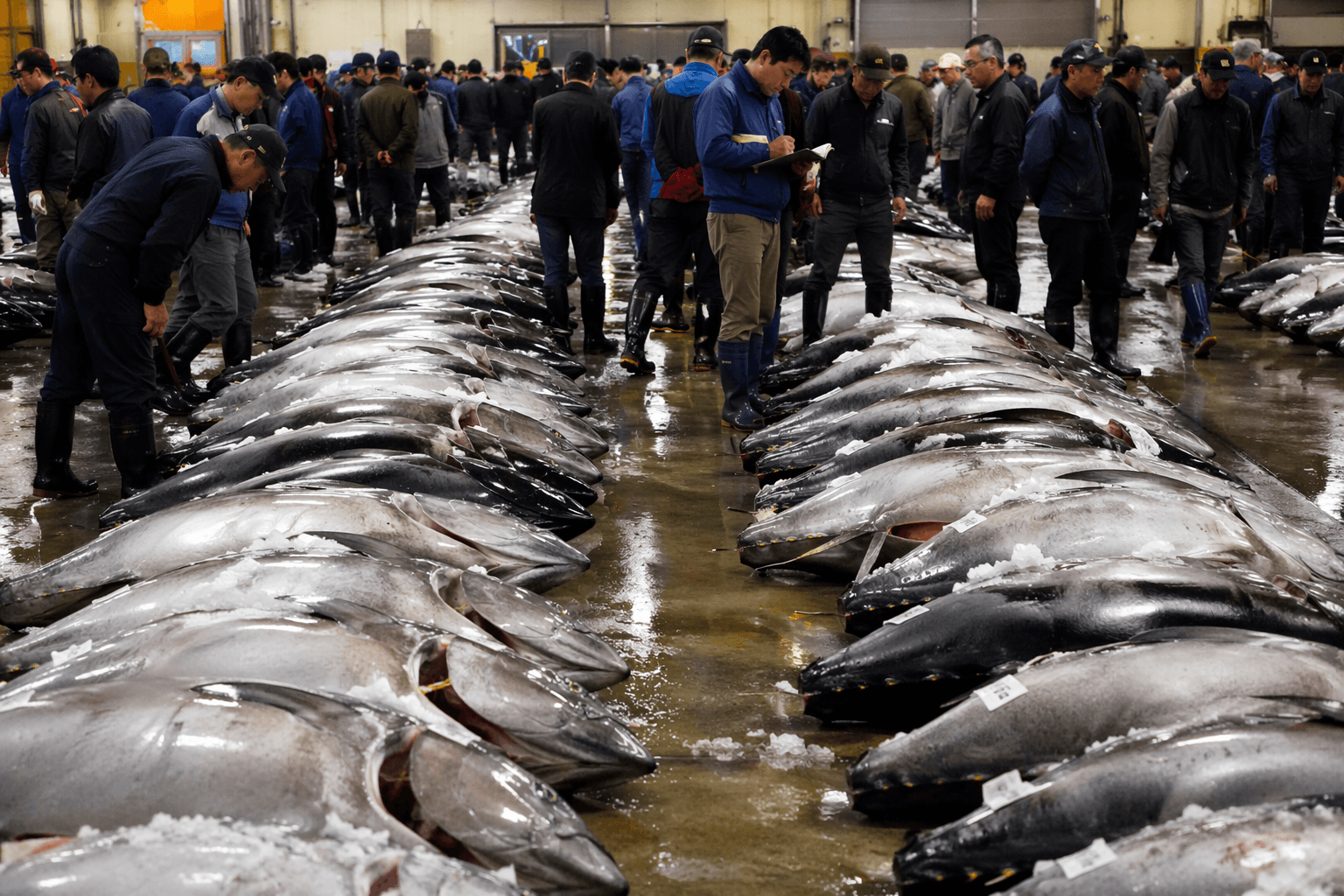
North Gyeongsang Province’s bluefin tuna run has turned into a record-setting pressure test for East Coast fisheries. On June 10, 190 tons were caught in Uljin and 43 tons in Yeongdeok in a single day, flooding the market and sending auction prices down to about 2,000 to 5,000 won per kilogram after they had once topped 10,000 won.
The surge burned through most of the province’s 2026 allowance and pushed officials to ask for relief fast. The Ministry of Oceans and Fisheries raised North Gyeongsang’s set-net quota from 350 tons to 520 tons, while leaving the other-fisheries quota at 15 tons. The expanded quota was then divided into 312.6 tons for Uljin, 161.9 tons for Yeongdeok, 43.4 tons for Pohang and 1.8 tons for Gyeongju.
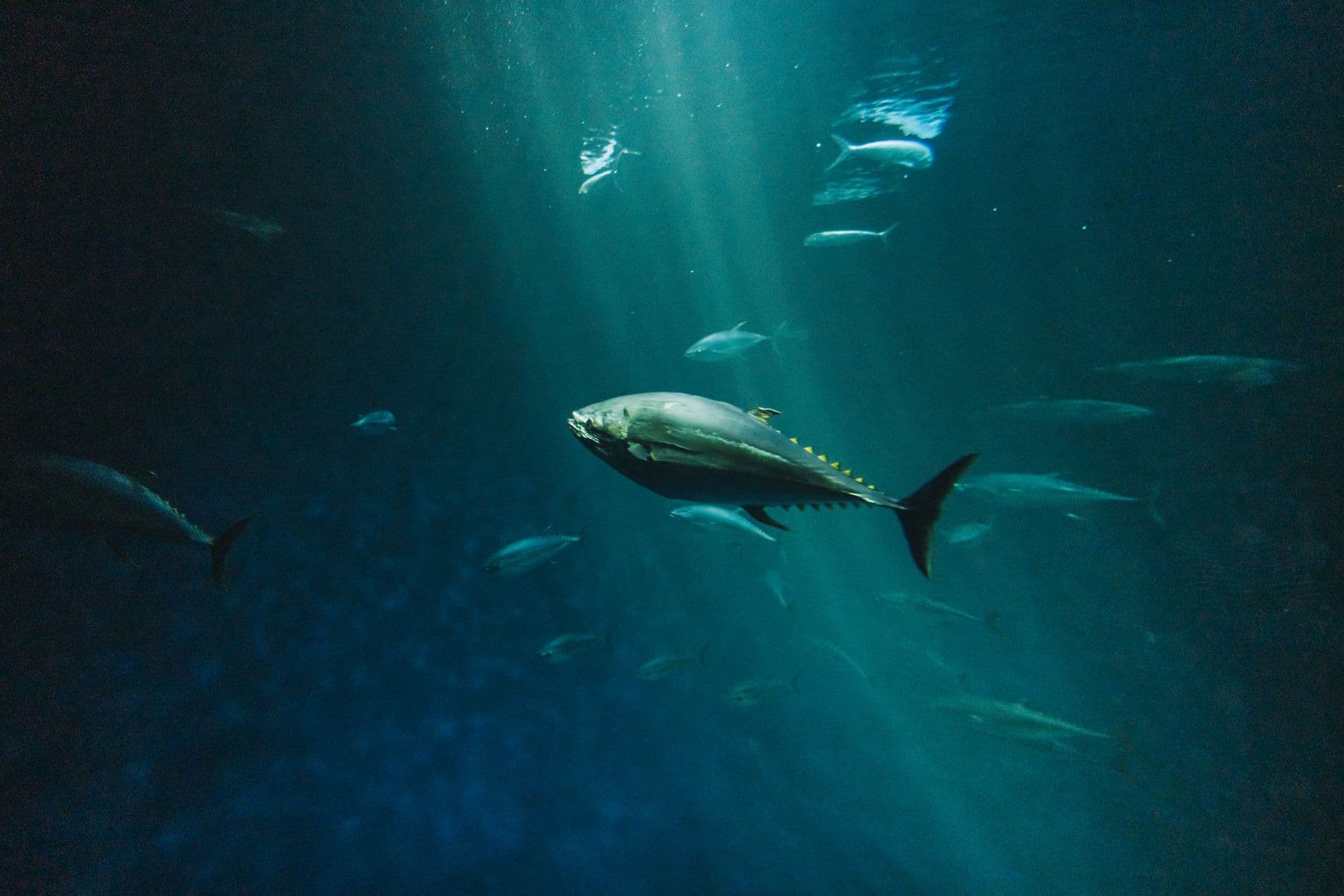
For bluefin anglers and coastal crews, the bigger story is not just the catch count. Pacific bluefin tuna is managed as a single, Pacific-wide stock, and the fish has been rebuilding from a historic low. The 2024 stock assessment put spawning biomass at 23.2% of unfished levels by 2022, or about 144,000 tons, after years of strict limits on juvenile catch. The species spawns in the western North Pacific, with juveniles migrating east before most return west to mature and spawn, a cycle that makes any sharp change in East Coast abundance important far beyond one port.
Korea’s bluefin landings have climbed just as sharply. Domestic catches rose from 2 tons in 2018 and 5 tons in 2019 to 173 tons in 2023 and 168 tons in 2024. Scientists first confirmed bluefin tuna eggs and larvae near Ulleungdo and Dokdo in 2021, and appearances have increased since then, alongside warming waters that are also pushing sardines and mackerel north. That mix points to a possible habitat shift, not just a one-off fish dump.

The June haul also revived memories of July 2025, when about 1,300 bluefin tuna totaling roughly 130 tons were hauled in at Yeongdeok in a single day and had to be discarded or sold as animal feed because the quota had already been exhausted. This year’s record catch avoided that outcome only because the province secured more room. The same tension remains: more fish on the East Sea coast may keep delivering big days at Ganggu Port and elsewhere, but every spike also tightens the next debate over how fast the quota system can move when the tuna do.
This article was produced by Prism’s automated news system from verified source data, official records, and press releases, then run through automated quality and moderation checks before publishing. The system is built and supervised by the people who set the standards it runs under. Read our full AI policy.
Did this article answer your question?