Ocean City tuna bite improves through the day as bluefin grow bigger
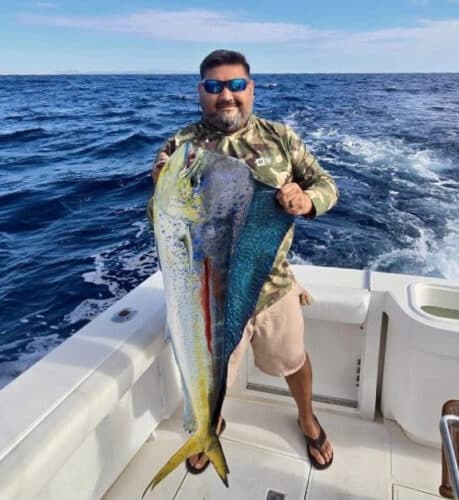
Bluefin started small outside Baltimore, then turned into bigger fish later in the day, with six anglers boxing tuna and a mahi.

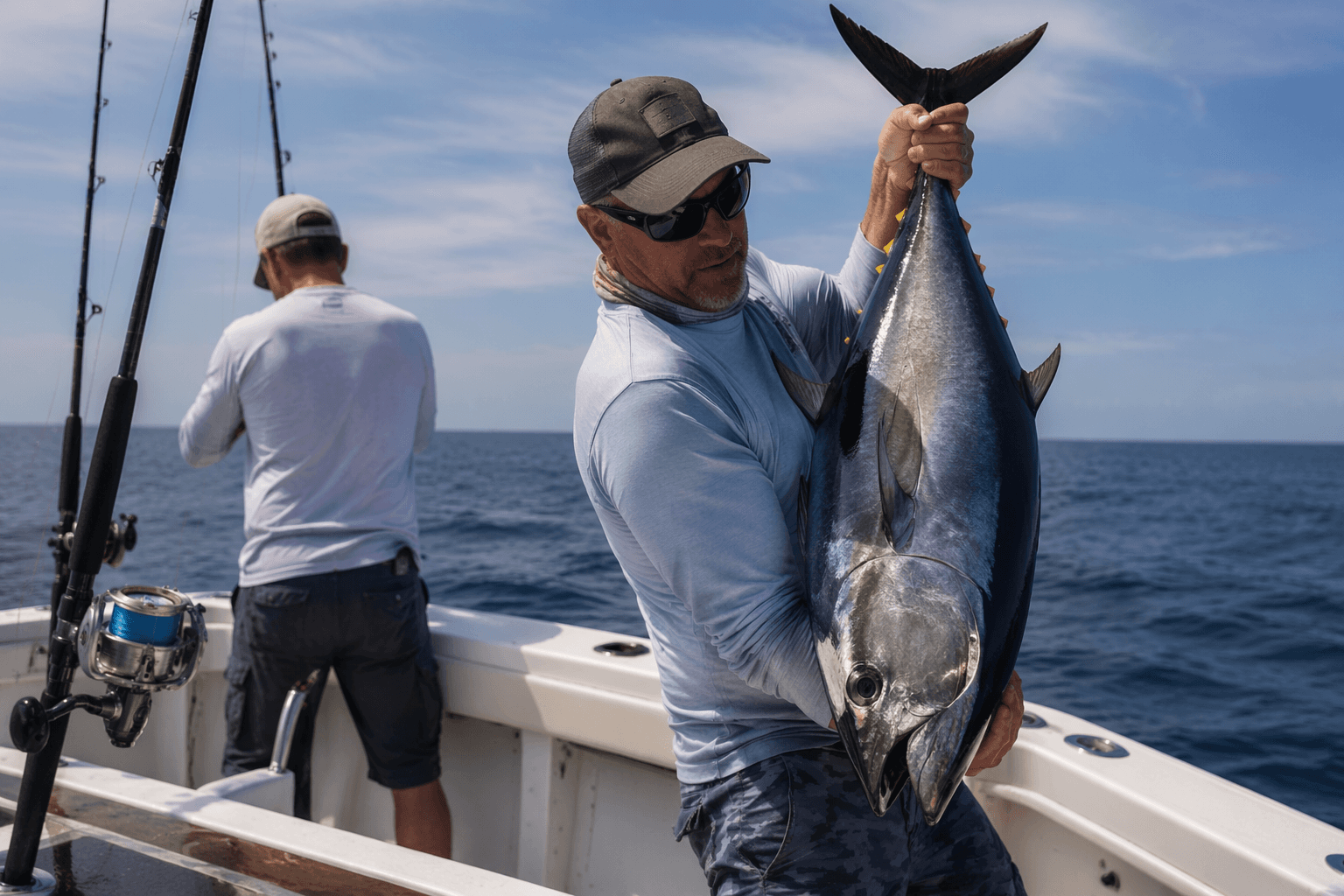
Bluefin showed in waves outside Baltimore, and the better fish did not show up until later. The June 5 Ocean City trip began with small bluefins and an early gaffer mahi, then the bite improved as the day went on and the crew found bigger bluefin, finished with three boats’ worth of fish in the boat, and released several more.
That progression is the part anglers will notice. Early in the trip, the fish were scattered and undersized, the kind of start that can test patience if a crew is judging the day too fast. By later in the run, the class of fish improved, which is exactly the signal crews look for when they are deciding whether to hold on the edge, keep trolling, or commit more time and fuel to the same stretch of water.
The timing also fits the current regulatory picture. NOAA Fisheries listed the Atlantic recreational bluefin tuna fishery as open on June 5, and the adjusted angling-category retention limits that took effect June 1 allowed 2 bluefin tuna per private vessel per day or trip and 3 per charter or headboat vessel per day or trip, with only one large school or small medium fish in that bag. Those limits were set to run through December 31 unless changed later, and HMS-permitted vessel owners still have to report retained or dead-discarded bluefin within 24 hours.
Ocean City’s early-summer pattern has already been stretching boats offshore. On May 16, the first bluefin tuna, first yellowfin tuna and first mahi of the season came from the Washington Canyon area in 73-degree water. By May 29, offshore trips were already posting strong mixed catches, including 13 yellowfin tuna with two released on one boat and seven yellowfin plus three mahi on another, a sign that the bite was broadening fast.
The latest run backs up that picture. A boat can leave with only small fish showing early outside Baltimore and still finish with better bluefin later if it stays with the right water, keeps scanning for life and gives the trip enough time to develop. With six anglers cashing in and the bigger fish arriving late, the message from Ocean City was clear: the first marks are not always the best ones, and the day can change before the last troll.
This article was produced by Prism’s automated news system from verified source data, official records, and press releases, then run through automated quality and moderation checks before publishing. The system is built and supervised by the people who set the standards it runs under. Read our full AI policy.
Did this article answer your question?