Pacific Bluefin Tuna Management Procedure Advances After Joint Working Group Agreement
The IATTC-WCPFC Joint Working Group agreed on a harvest control rule for Pacific bluefin — a fish whose breeding biomass already surpassed its second rebuilding target in 2021.
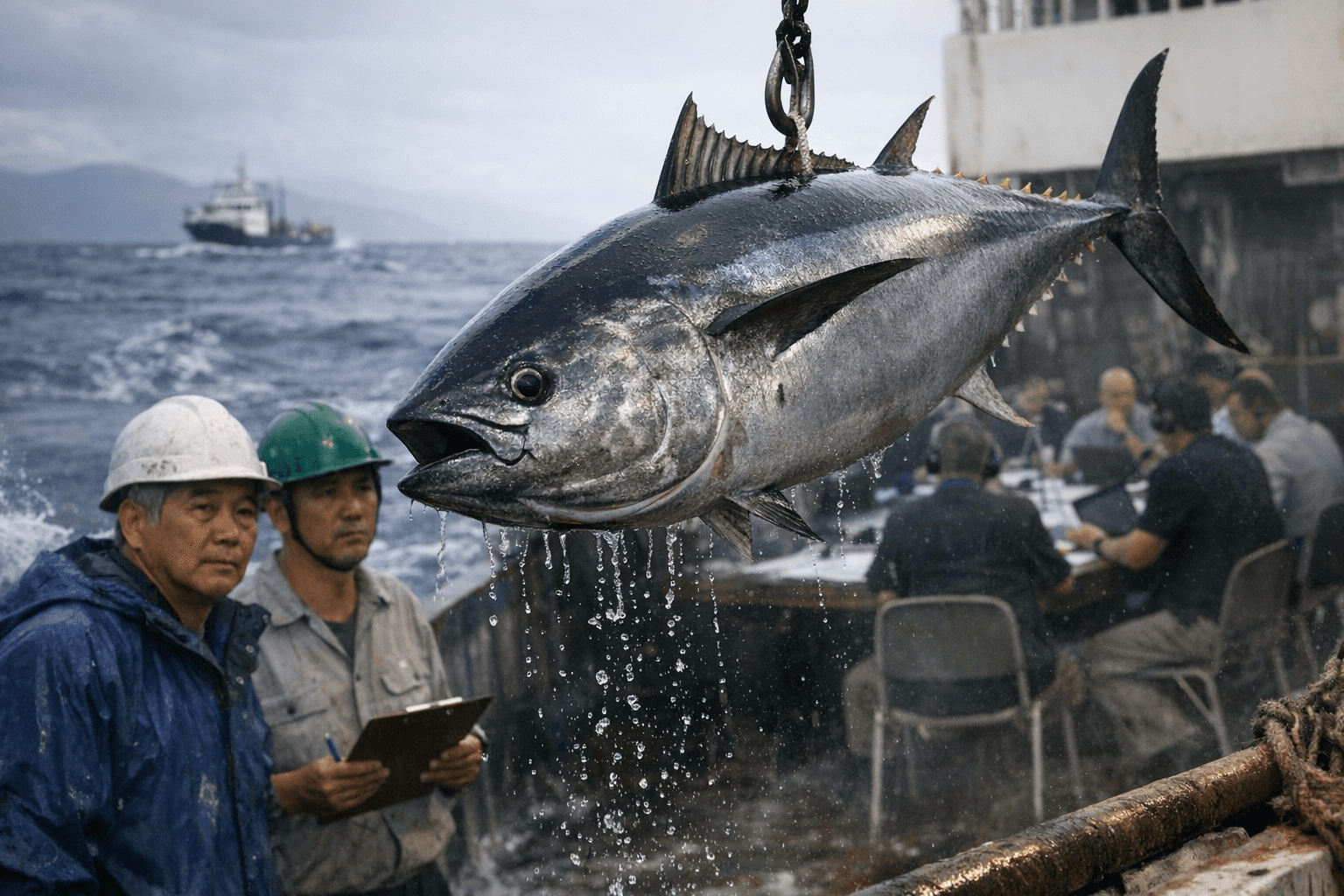
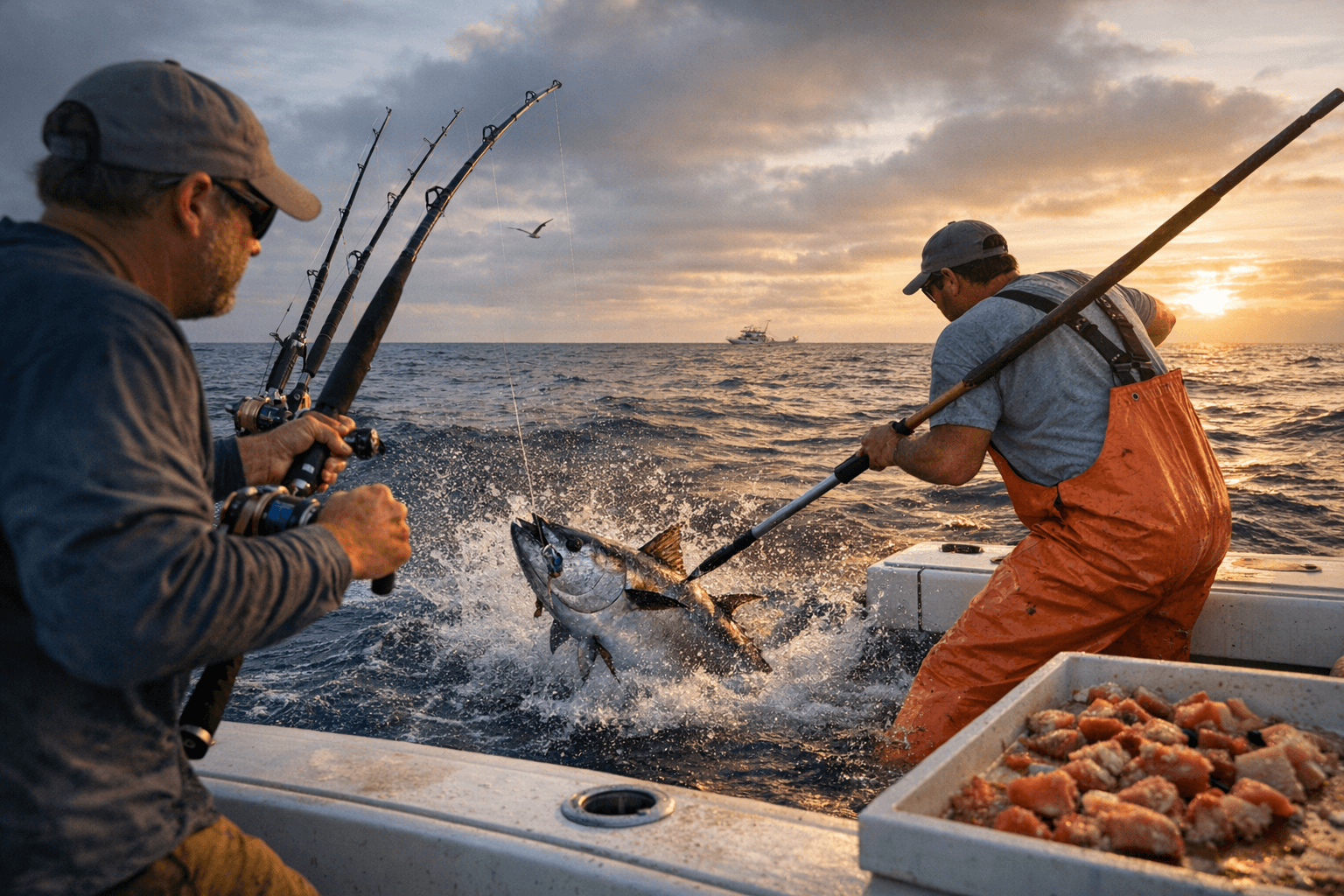
The Joint IATTC-WCPFC Working Group has agreed on a harvest control rule (HCR) for Pacific bluefin tuna, advancing the long-awaited adoption of a formal management procedure with remaining details to be finalized in July. The development marks a significant turn for a fishery that spent years stuck in rebuilding mode.
Pacific bluefin has rebounded strongly under tighter rules. The 2024 assessment shows the breeding biomass above the second rebuilding target and fishing pressure at levels compatible with sustainable management, with much of the gain coming from reduced juvenile harvest. The second rebuilding target of 20% of unfished spawning stock biomass was actually achieved in 2021, thirteen years earlier than originally anticipated.
The biology of Pacific bluefin makes coordinated, cross-commission management essential. The species spawns only in the western North Pacific, primarily around the Sea of Japan, and a portion of each year's juveniles migrates across to the eastern Pacific to feed before most return west to mature and spawn. This "born in the west, feed in the east, return to spawn in the west" pattern is the backbone of how scientists and managers think about the stock and why the two Pacific Ocean tuna commissions coordinate on its management.
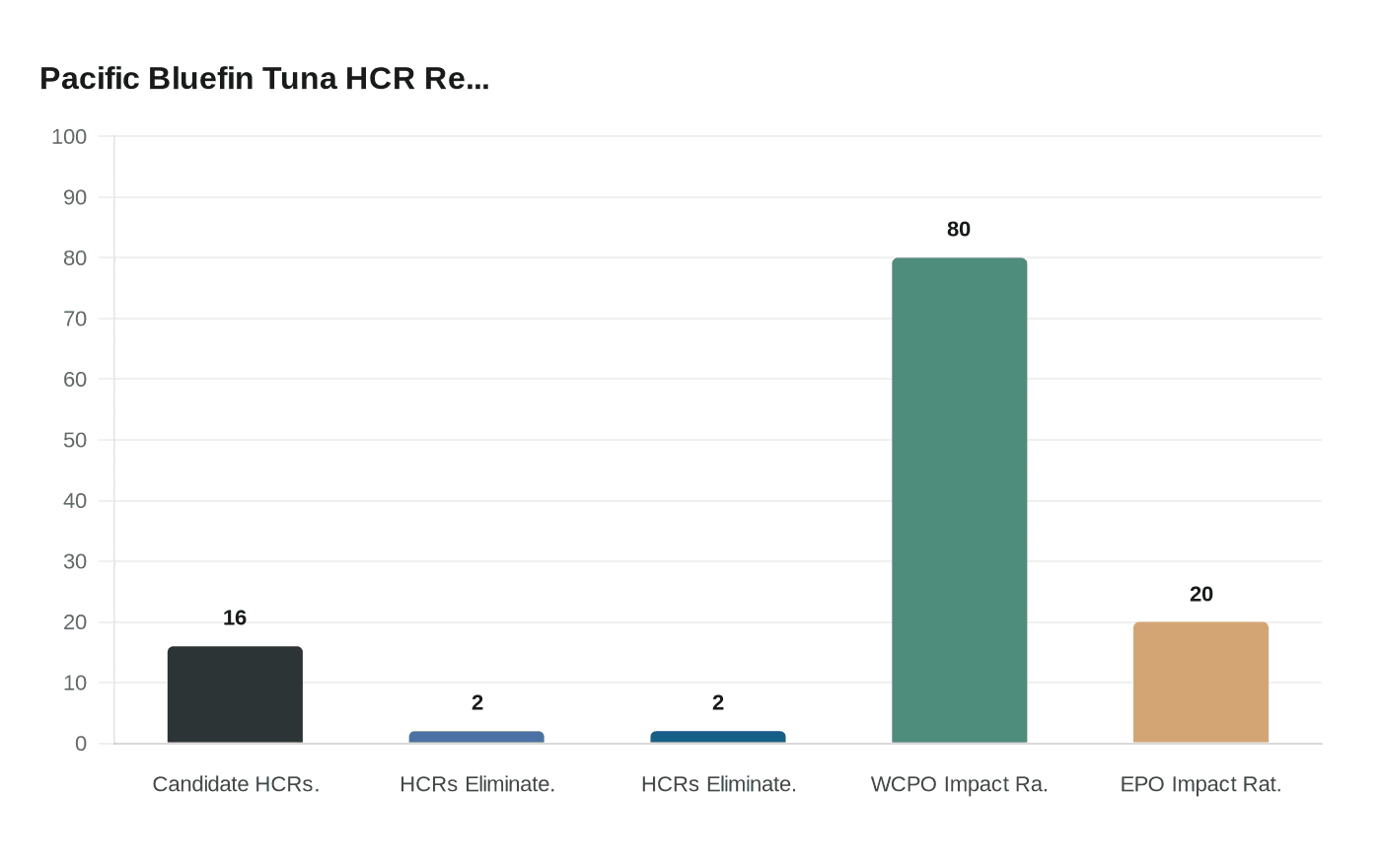
That coordination has been tested. The joint working group met in July of last year to advance a potential strategy, but Eastern Pacific governments couldn't reach consensus on which of the sixteen candidate HCRs to select, managing only to eliminate the two proposals with the highest fishing pressure and the two with the lowest. The new agreement on an HCR breaks that stalemate and puts management procedure adoption back on track.
The ISC PBF Working Group completed an extensive management strategy evaluation in 2025 that stress-tested alternative harvest control rules across a range of biological scenarios, examining sixteen HCRs tuned to two alternative balances of fishery impact between the western and central Pacific and the eastern Pacific: 80:20 and 70:30. The MSE results show that many candidate HCRs meet safety objectives while differing in expected yield and how often catch limits would need to change. The exercise also clarified a proposed ±25% cap on how much total allowable catch can change between management periods.
The path forward from here is well-defined on paper. The two commissions are expected to adopt a long-term harvest strategy built around a transparent harvest control rule and agreed reference points, tuned to a chosen WCPO:EPO impact ratio, and accompanied by predictable TAC-change rules so industry can plan with confidence. Keeping juvenile controls tight and using permitted small-to-large transfers judiciously aligns catches with the biology underpinning recovery.
On the IATTC side, Resolution C-24-02 set the framework for the current biennium. At its 102nd Meeting in September 2024, the IATTC adopted Resolution C-24-02, which establishes catch limits consistent with the 2024 JWG recommendation. In each year of 2025-2026, IATTC Scientific Staff must present an assessment to the Scientific Advisory Committee on the effectiveness of the resolution, taking into consideration the ISC's latest stock assessment, harvest scenario projections, and conservation and management measures adopted by the WCPFC; the Commission is then required to review and consider revising management measures based on the best available information, including the harvest strategy from the management strategy evaluation.
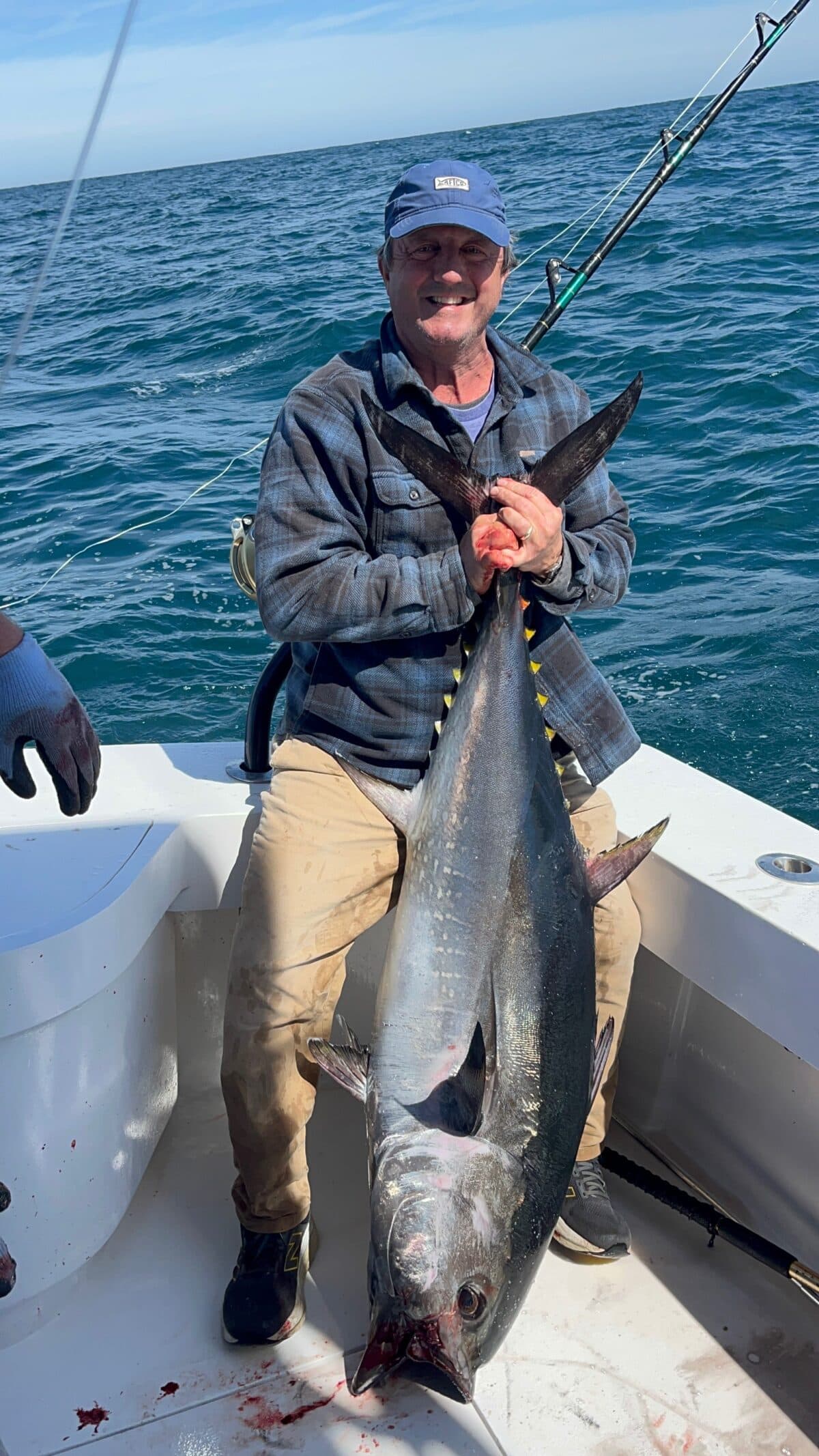
Sport fishing vessels operating under IATTC member jurisdictions face the same scrutiny as the commercial fleet. Each Contracting Party, Cooperating Non-member, and Participating Territory is required to report sport fishery catches annually by June 30 and must manage those catches in a manner consistent with commercial fisheries rules.
Strengthening data systems remains foundational: timely catch and size reporting including discards, reliable recruitment monitoring, and a robust adult index reduce uncertainty in the assessment and in the management procedure that will calculate TACs. Completing the Catch Documentation Scheme will protect compliant fishers and markets by reducing incentives for illegal catch.
The science indicates that measured catch growth is feasible, but only if a durable harvest strategy is locked in that keeps the fishery within safe bounds and continues to protect small fish. The management focus for the next two years is to choose and implement that strategy. The July working group meeting is the next hard deadline for getting those remaining procedural details across the finish line.
Know something we missed? Have a correction or additional information?
Submit a Tip