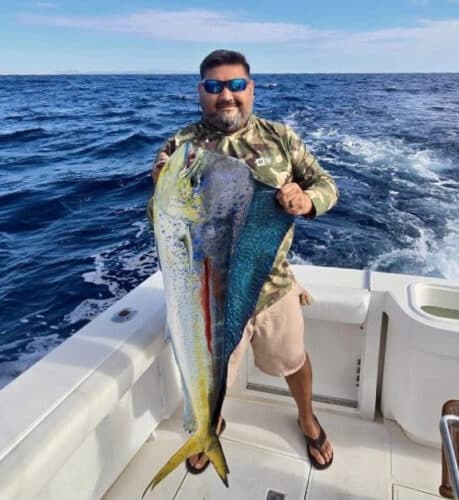
Rig Ballyhoo to Swim Naturally, Win More Yellowfin Strikes
A bad ballyhoo costs bites fast. Rig for a natural swim, and yellowfin that inspect every bait will punish sloppy presentation less often.
Make the bait swim like food, not tackle
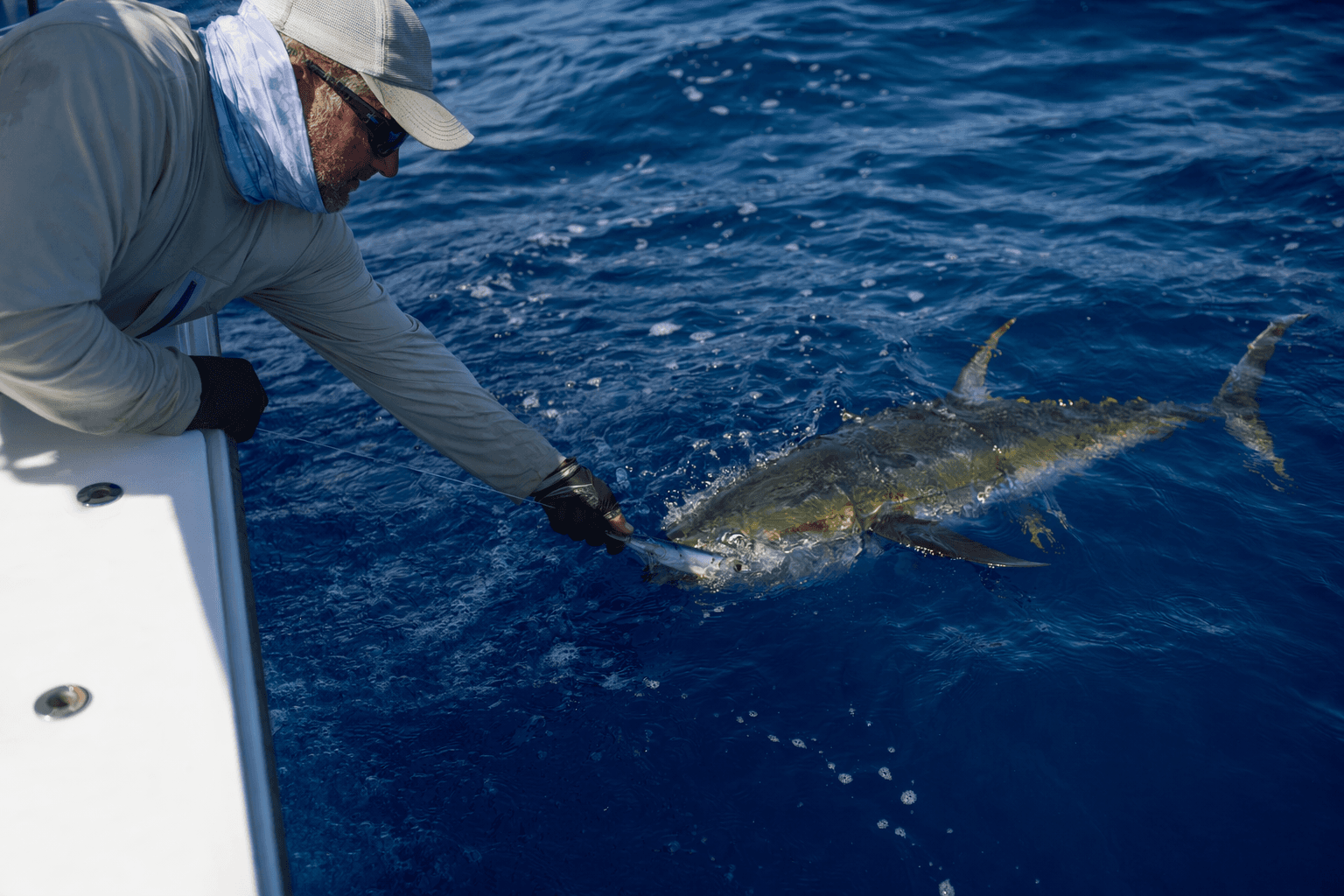
A ballyhoo that drags like a stick is a wasted shot at yellowfin. FishTalk’s latest yellowfin breakdown gets right to the point: the bait has to move naturally enough to fool a fish with excellent eyesight, or the spread gets ignored. That matters because Atlantic yellowfin are fast, highly migratory fish that live near the surface, grow to 400 pounds, and average about seven years in the water, which leaves very little room for sloppy presentation.
The big lesson is simple: pinned does not mean right. A bait can be wired, rubber-banded, and neatly dressed, yet still swim wrong if the rig is twisted, crooked, or overworked by hardware. The number one mistake is not checking every bait in the spread to make sure it is tracking like the real thing. Offshore crews often spend the most energy getting to good water, then lose the bite on a bait that looks fine in hand and dead in the water.
What yellowfin punish first
Yellowfin tuna do not need much help finding mistakes. FishTalk’s rigging advice leans hard on the idea that these fish inspect a spread quickly, and NOAA’s profile backs up why that matters: Atlantic yellowfin are built to roam, feed, and react fast. They are not just chasing scent, they are reading movement, line angle, and the way a ballyhoo kicks behind the boat.
That is why the tiniest rigging error can become a strike killer. If the bait spins, pulls sideways, or hangs unnaturally, it stops looking alive. A clean rig is not about cosmetics. It is about making the bait track straight, breathe naturally, and stay in the game long enough for a yellowfin to commit.
Your pre-trip ballyhoo checklist
Before the spread ever hits the rigger, go down the bait one by one and treat each rig as if a fish will judge it on the first pass. FishTalk’s second yellowfin installment focuses on the small hardware decisions that matter: rigger swivels, rubber bands, and ballyhoo springs all have a job, and each one can help or hurt the swim.
- Check the bait at the boat before it goes out. If it does not kick cleanly, fix it before the spread is fishing.
- Make sure the rig sits straight. A bait that leans, spins, or pulls hard to one side is telling you something is off.
- Use the hardware to support the swim, not overwhelm it. Rigger swivels should help control twist, while rubber bands and ballyhoo springs should hold the presentation together without choking the bait.
- Watch the bait in the water, not just in your hand. FishTalk’s key warning is that every bait needs to be observed to confirm it is swimming like the live thing.
- Replace the mindset that “it is pinned, so it is good.” A fixed bait can still be dead to a tuna if it does not move right.
Those are small adjustments, but they are the kind that change hookup rates immediately. One good-looking bait that swims right will outfish three that only look rigged on the deck.
Why spring matters on the Mid-Atlantic run
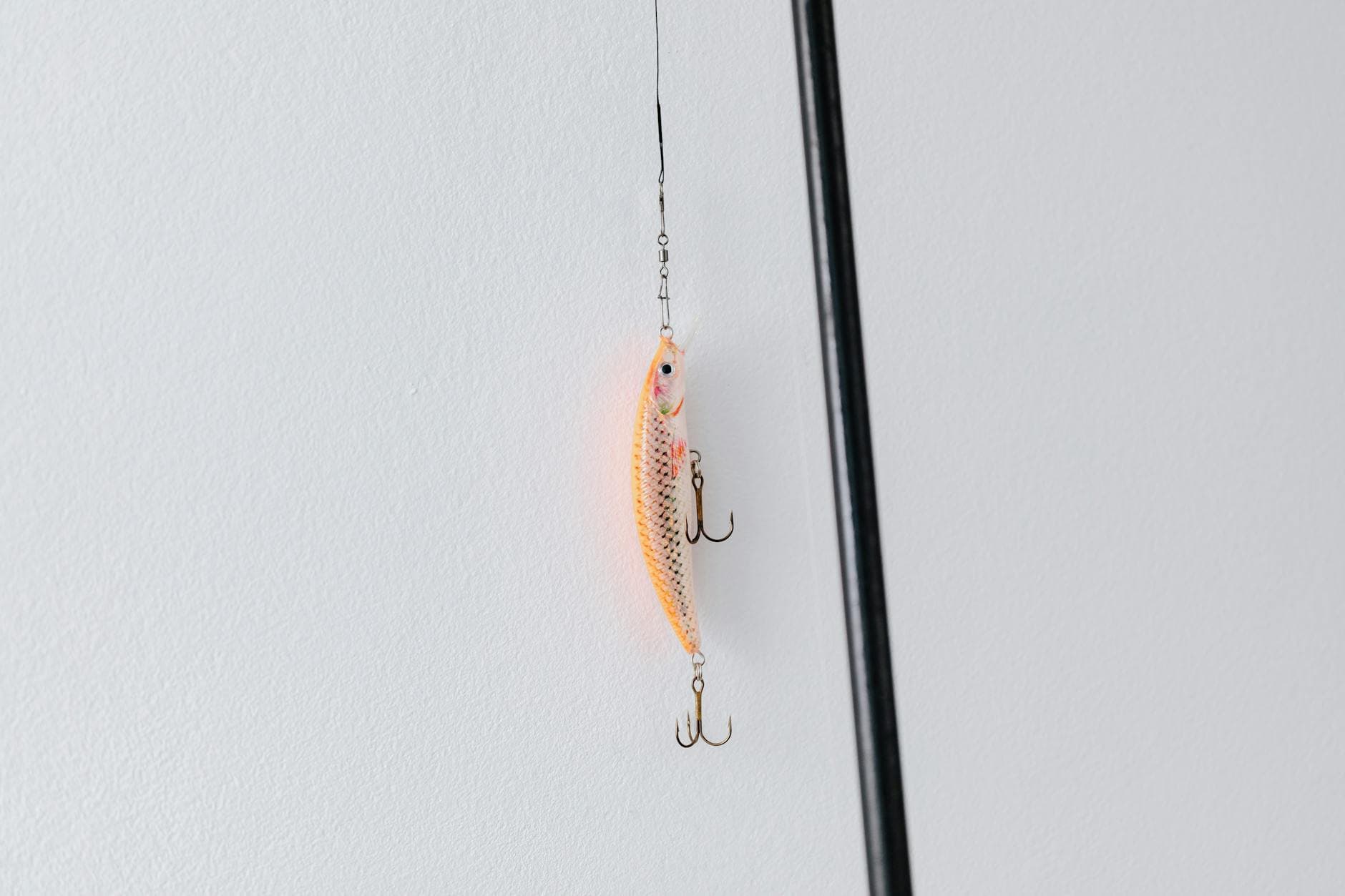
This rigging detail becomes especially useful as spring and early summer build along the Mid-Atlantic. FishTalk’s audience is Chesapeake Bay and Mid-Atlantic anglers, and that fits the seasonal reality offshore: the first serious tuna pushes of the year often reward crews that arrive with a clean, disciplined spread instead of a hurried one.
Sport Fishing’s spring yellowfin coverage points to North Carolina as prime territory, especially around Hatteras Island and Oregon Inlet. There, captains troll ballyhoo, cast topwater plugs, dangle kite baits, and jig vertically for yellowfin. That mix of tactics says plenty about the fishery: presentation matters, and the bait has to fit the method. A ballyhoo behind the boat has to look alive whether it is part of a slow troll or part of a more aggressive spread built to tempt surface-feeding fish.
The rulebook still matters
Good rigging only works if the trip is legal. NOAA Fisheries says Atlantic yellowfin are not overfished and are not subject to overfishing under the 2024 stock assessment, which is good news for anglers and a reminder that this is a managed fishery, not a free-for-all. Recreational anglers in the Atlantic can keep yellowfin that are at least 27 inches curved fork length, with a limit of 3 fish per person per day or trip.
There is also the permit piece. Vessels fishing recreationally for Atlantic yellowfin tuna need a valid HMS Angling or HMS Charterboat/Headboat permit. That matters for private boats and charter crews alike, because a perfect spread does not count if the paperwork is wrong.
Know the fish you are trying to fool
Atlantic yellowfin spawn from May to August in the western Atlantic Gulf of America and from July to November in the southeastern Caribbean, another reminder that this species is wired to move with the seasons and the water. That migratory pattern is part of why yellowfin are such a prized offshore target, and part of why they are so unforgiving of bad bait work.
The fish do not need a sloppy rig to tell them something is off. They already have the biology on their side: speed, vision, and a life cycle that keeps them moving through the system fast. When the bait looks natural, the spread becomes believable. When it does not, the tuna usually know before the angler does.
The difference between a bite and a pass
This is what makes FishTalk’s yellowfin piece so useful: it turns ballyhoo rigging into a practical checklist instead of a tradition. The hardware matters, but only because it helps the bait swim naturally. The real test is not how neat the rig looks on deck. It is whether the bait still looks alive after it hits the water.
That is the edge for the next offshore run. Inspect every ballyhoo, correct the one that drags, and do not let a bad swim sabotage a good canyon spread. For yellowfin, the smallest rigging mistake can be the biggest difference between getting passed over and getting crushed.
This article was produced by Prism’s automated news system from verified source data, official records, and press releases, then run through automated quality and moderation checks before publishing. The system is built and supervised by the people who set the standards it runs under. Read our full AI policy.
Did this article answer your question?