Yellowfin Tuna Join Hot Offshore Bite on Costa Rica’s Central Pacific
Yellowfin are part of a broad offshore bite off Los Sueños and Jacó, with the best odds coming on full-day bluewater runs.
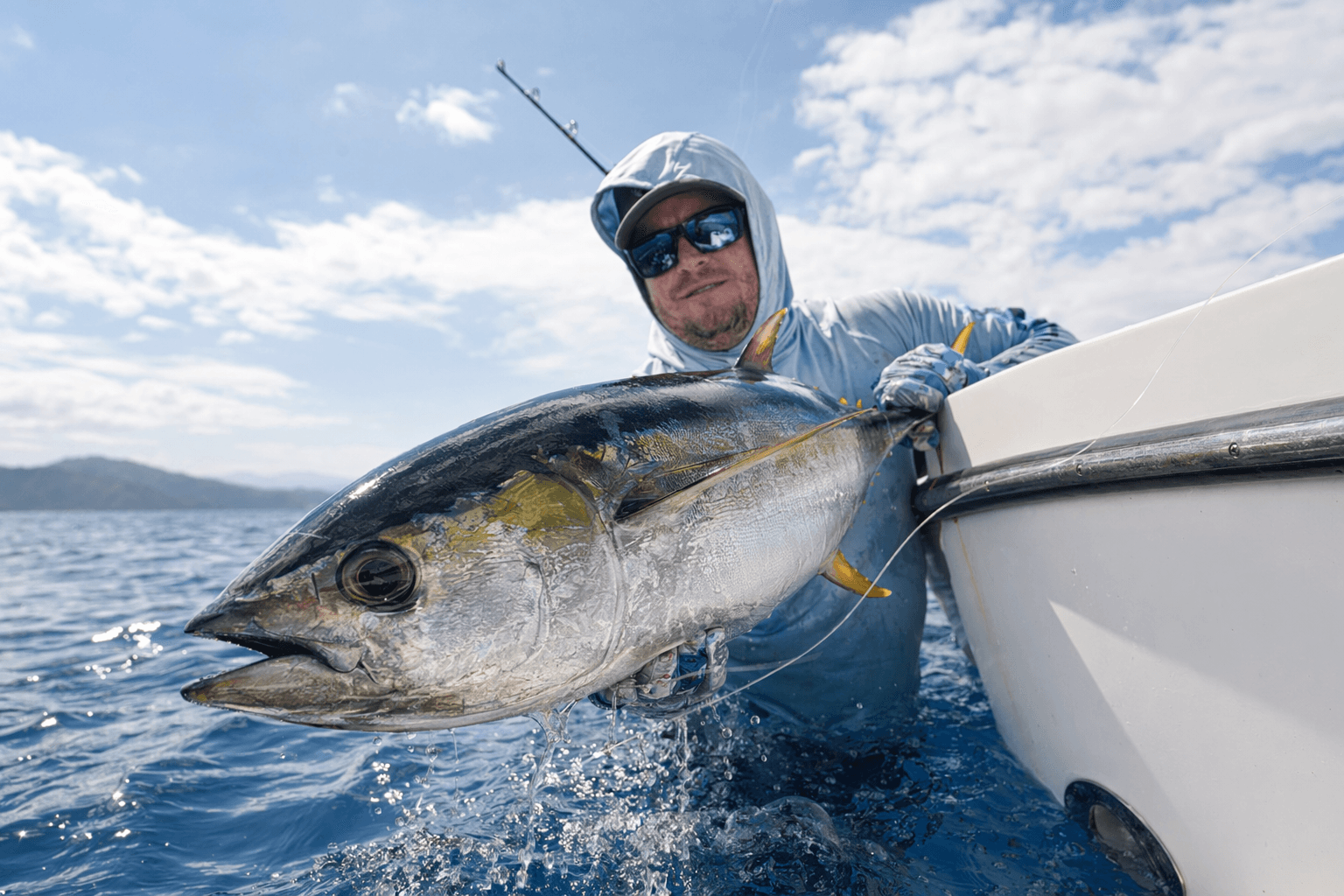
Yellowfin sit inside a hot mixed offshore bite
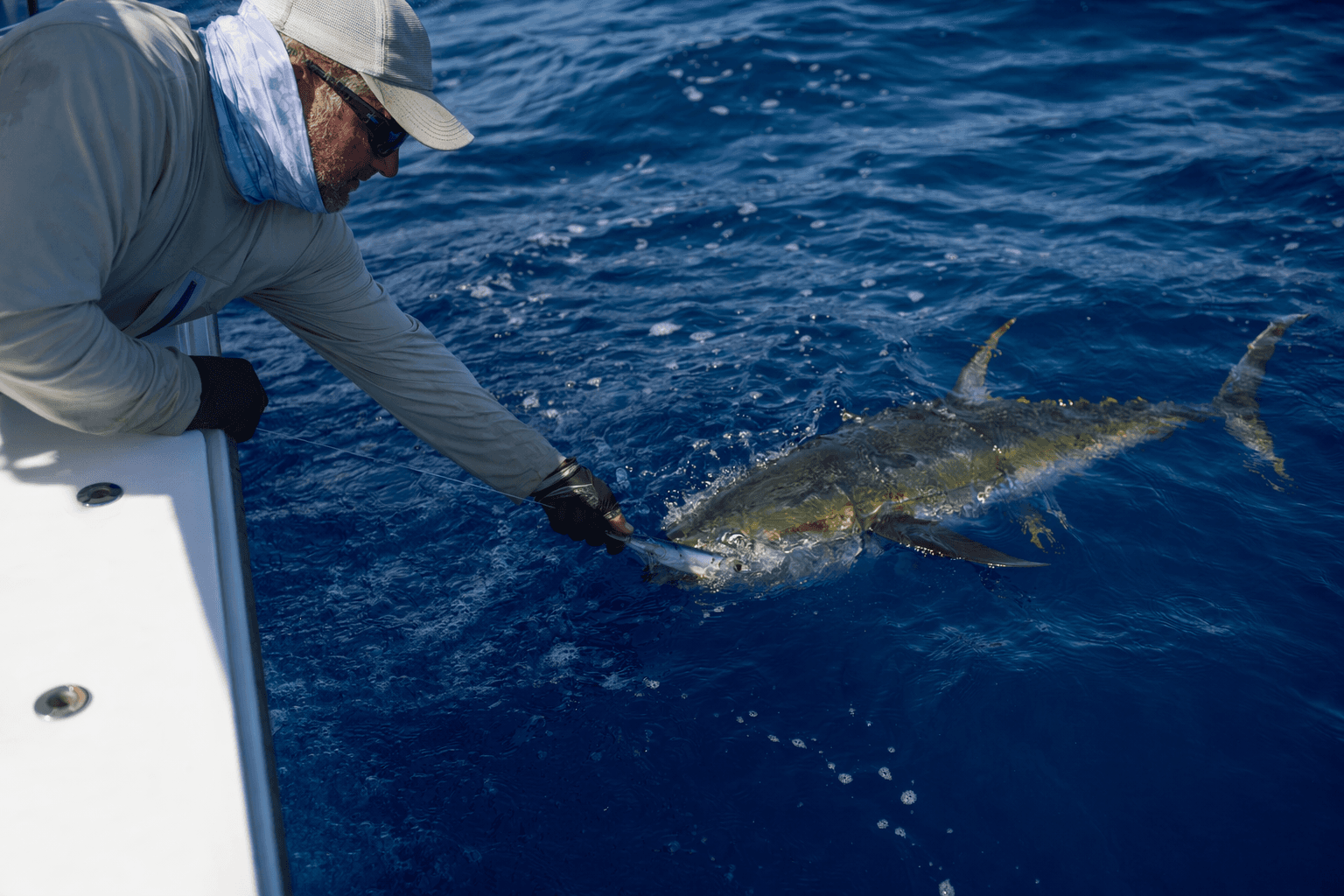
The offshore story off Costa Rica’s Central Pacific is not just about one species hitting a peak. Yellowfin tuna are showing up alongside mahi-mahi, wahoo, marlin, and sailfish in a spread that makes the Los Sueños and Jacó grounds feel alive from top to bottom. That matters because yellowfin are not isolated bycatch here; they are part of the main offshore action, and that usually means better odds of finding fish without burning the whole day on a single bite window.
What stands out most is how steady the report reads. The action is described as excellent for mahi-mahi and wahoo, with consistent marlin, sailfish, and tuna in the mix. For tuna anglers, that is the signal to treat yellowfin as a serious target when you are already committed to bluewater, not as an afterthought once the boat has wandered off the right water.
Where the yellowfin are fitting into the spread
The fish are showing in the same offshore water where crews are finding floating structure, current edges, and weed lines. That is the kind of setup that keeps a charter honest, because it lets you work the structure for multiple species instead of gambling on a single blind run. If the boat is already on mahi, wahoo, or billfish, yellowfin can slide into the day naturally as part of the same pattern.
That mixed picture is the real decision point for your trip. Yellowfin are worth prioritizing when you can make the offshore run, stay flexible, and spend real time on the grounds. If your plan only allows a short hop or a quick in-and-out schedule, the tuna opportunity becomes more of a bonus than the centerpiece, because the best payoff right now is coming from the broader bluewater program.
How steady the bite really is
This is not a one-hit report built around a single window or a lone hot boat. The offshore bite is described as steady and consistent, which is exactly the kind of language that matters when you are deciding whether to commit to a full-day charter. The biggest takeaway is stability: mahi-mahi, wahoo, marlin, sailfish, and yellowfin are all showing enough regularity to make the Central Pacific feel dependable for early May.
That stability also helps explain why yellowfin fit so well into the overall picture. When multiple pelagic species are feeding in the same zone, the boat can keep moving through productive water instead of chasing rumors. For an angler, that means more efficient time on the grounds and a better chance that one productive stop can turn into several hookups rather than a single isolated bite.
Full-day offshore is the move right now
If you are trying to decide what kind of charter to book, the strongest choice right now is the full-day offshore option. The bluewater action is producing the biggest payoff, and the report makes it clear that tuna belong in that offshore package. A full-day run gives you the time to work the current edges, follow the floating structure, and stay on fish when the spread opens up.
That does not mean a shorter trip has no value. It does mean the priorities shift. If weather, budget, or crew experience make a long offshore day unrealistic, the inshore bite still gives you a viable backup with roosterfish and snapper around points and reefs. But if yellowfin are the goal, the offshore commitment is the smarter bet because that is where the strongest action is concentrated.
Morning calm, afternoon showers, and why timing matters
Early May brings the green season, and that changes the rhythm of the day. The mornings are generally calm and fishable, while afternoon showers start to enter the picture. That means your best yellowfin window is usually the first half of the day, when you can get offshore under cleaner conditions and work the bite before the weather shifts.
This is also why flexibility matters so much on the Central Pacific right now. A crew that can launch early, fish efficiently, and adapt if showers build has a better shot at turning the offshore spread into a real day. If conditions look marginal later in the afternoon, shifting your effort earlier in the day or choosing a route that keeps you closer to productive water can make the difference between a full box and a weather-shortened grind.
When to lean tuna versus other species
Yellowfin make the most sense as a priority when you are already fishing the offshore structure and want the best shot at a mixed pelagic payoff. If the boat is finding current breaks and weed lines, tuna are part of the same game plan as mahi-mahi, wahoo, marlin, and sailfish. In that situation, the smartest move is to stay on the bluewater pattern and let the spread tell you what to emphasize.
If the bite you want is more immediate or more specialized, the decision gets tighter. Mahi-mahi and wahoo are the hottest part of the offshore report, so they may be the better species to focus on if your trip is short and you want the most active action fast. Marlin and sailfish remain consistent enough to keep pressure on the billfish side, while yellowfin offer the meat and the fight that can turn a mixed day into a memorable one.
What visiting anglers should pack into the plan
For anyone heading down to Los Sueños or Jacó, the best play is simple: bring offshore tackle, leave room in the schedule for weather changes, and expect a real yellowfin opportunity once the boat reaches the right water. The report points to a healthy, early-May offshore picture, not a narrow window built around one species. That makes the trip attractive because you are not betting everything on tuna alone, but you are still fishing water where tuna are very much in play.
The practical upside is hard to miss. You can build a day around one bluewater run, stay on current edges and weed lines, and still have a shot at mahi, wahoo, marlin, sailfish, and yellowfin in the same spread. In a season that is just starting to turn wet, that kind of versatility is the edge that keeps a Costa Rica offshore day worth making.
Know something we missed? Have a correction or additional information?
Submit a Tip