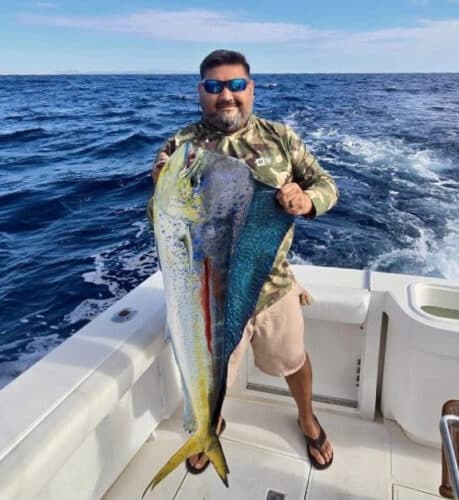
World Tuna Day Marks a Decade of Sustainable Tuna Progress
World Tuna Day arrived with a big number for anglers: 99% of commercial tuna catches are now judged biologically sustainable. That shift points to steadier stock health and tighter traceability.
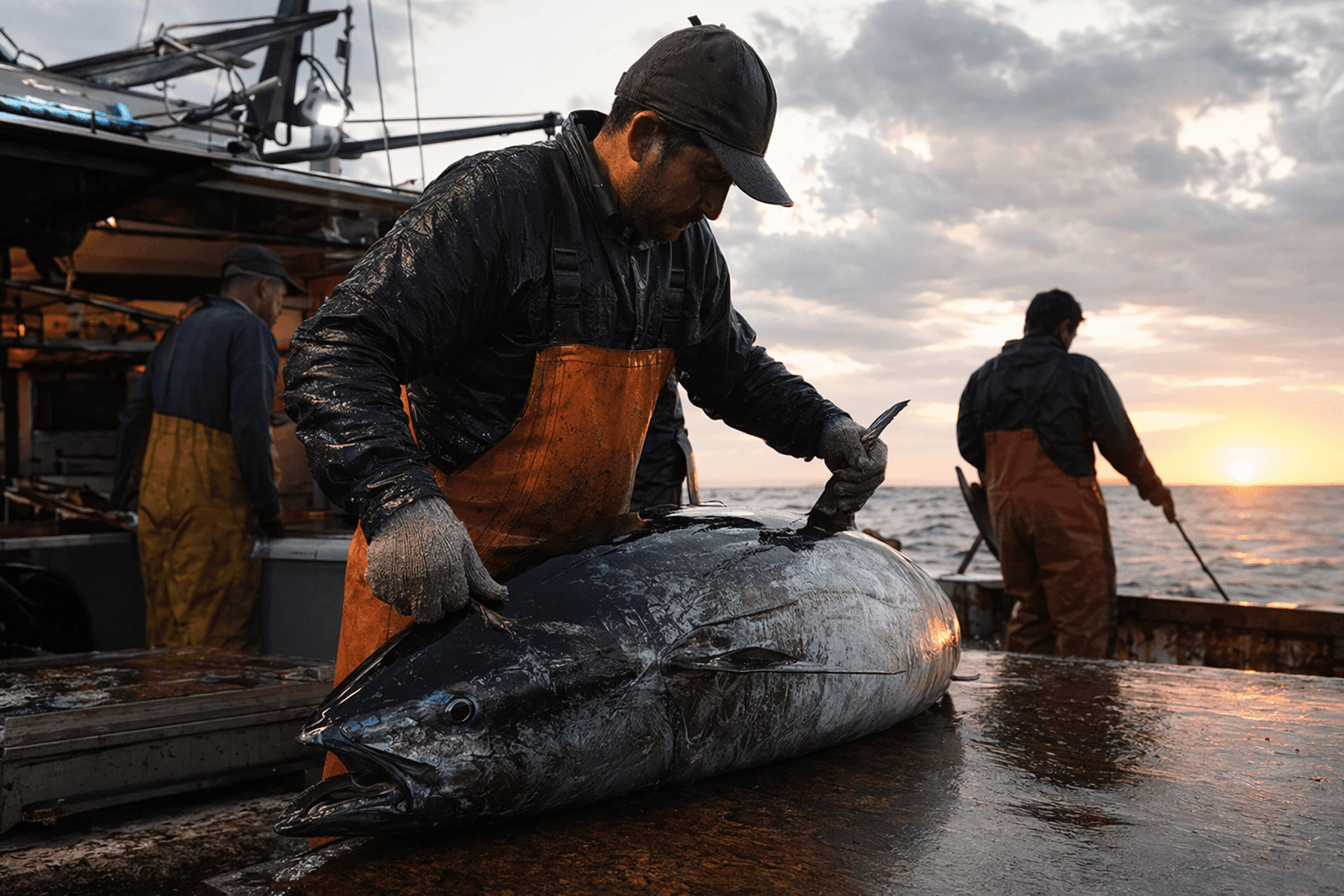
The most important number in this year’s World Tuna Day message was not ceremonial at all. The United Nations said 99% of commercial tuna catches are now estimated to come from stocks that are scientifically assessed to be biologically sustainable, up from 75% in 2017. For anyone who fishes tuna, that means the story is not just about celebration, it is about whether the fishery stays healthy enough to keep producing good seasons, reliable access, and quality fish in the years ahead.
World Tuna Day fell on May 2, and 2026 marked the 10th year since the United Nations General Assembly proclaimed it in 2016. The observance was created to spotlight responsible tuna fishing, the threats facing tuna populations, and the economic and social benefits of sustainably managed tuna stocks. The UN also ties the day to the 2030 Agenda for Sustainable Development, which puts tuna management in the same frame as food security, livelihoods, and long-term ocean stewardship. One visible example of recovery is Atlantic bluefin tuna, which the UN says has returned to waters where it was once absent, including southern England and Ireland.
That bigger conservation picture is already showing up in the supply chain. In Australia, the Marine Stewardship Council said tuna carrying its label is now available through Coles, Coles Simply, Coles Pacific, DINE, East Coast Tuna Co, John West, Little Tuna, Safcol, Terra Madre, The Stock Merchant, Walkers Tuna and Wild Tides. The MSC said Coles was the first Australian supermarket to announce that all of its own-brand canned tuna would carry the blue fish tick label, with rollout beginning in September 2024. It also said Woolworths’ own-brand wild-caught seafood products are third-party MSC certified or independently verified. MSC says about half of the world’s wild tuna catch now comes from fisheries meeting its sustainability standard.
The same pressure for proof is showing up farther upstream. In Mexico, GRUPOMAR said its tuna fleet complies with an onboard observer program on 100% of its fishing vessels, with legal fishing vessels carrying observers from the Inter-American Tropical Tuna Commission or Mexico’s National Fisheries Commission. In the Pacific Islands, the Forum Fisheries Agency has described the region’s tuna fisheries as among the most sustainable in the world, while Vanuatu Tourism Office said Port Vila would mark World Tuna Day 2026 with a two-day event focused on tuna’s role in the Pacific economy, food security, livelihoods and ocean heritage.
For tuna fishermen, the practical takeaway this year is simple: the future of the bite is being shaped less by slogans than by science, certification and observer coverage. Better-managed stocks help protect seasons, keep markets open, and make sure the fish on the end of the line are there tomorrow as well as today.
This article was produced by Prism’s automated news system from verified source data, official records, and press releases, then run through automated quality and moderation checks before publishing. The system is built and supervised by the people who set the standards it runs under. Read our full AI policy.
Did this article answer your question?