San Diego tuna fleet struggles to attract a new generation
A good day off La Jolla still puts fish on deck, but San Diego’s tuna town now depends on rebuilding crews, careers, and dockside know-how.

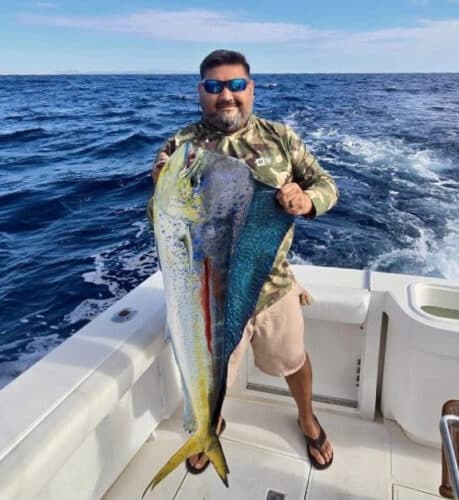
Off La Jolla, Shane Volberding and deckhand Destiny Louise Silva put together a productive day that yielded seven yellowtail and other fish, the kind of haul that briefly makes the old San Diego fishery feel close again. But the scene also shows how thin the human side of the fleet has become: Volberding is 27, one of the younger captains in a commercial fishing fleet whose average age is 48, and the gap below him is wide.
A fleet with too few rungs
San Diego still carries a tuna identity, but the working fleet no longer has the depth it once did. The city was once known as the tuna capital of the world and employed tens of thousands of fishermen, yet the modern fleet is much smaller and much harder to enter without family ties or an existing place on a boat. That missing middle matters as much as the fish themselves, because a fleet is not just vessels and permits, it is deckhands who can work a rail, captains who can read weather and water, and apprentices who can survive long enough to become both.
Volberding and Silva fit into a generation that should be replacing retirees, but the pipeline has not kept pace. As older captains age out, the region risks losing more than jobs. It loses local knowledge, the habits that keep boats moving, and the informal network that makes tuna fishing feel like a community rather than a collection of isolated trips.
How the apprenticeship was supposed to work
Scripps Institution of Oceanography and California Sea Grant tried to build that pipeline with the California Commercial Fishing Apprenticeship Program. The first San Diego session was set to begin in January 2020, and the program was designed around a 21st-century fishing career, with roughly 120 hours of workshop training in safety, seamanship, navigation, business, and marketing.
The structure was practical, not academic. Apprentices needed a licensed commercial fisherman sponsor, and the program was developed with commercial fishing partners in San Diego and Santa Barbara, which made it a local workforce intervention rather than a generic classroom course. The idea was to give newcomers a route into the industry without pretending that fishing could be learned from a distance.
It did not scale the way the fleet needed. Only about half a dozen participants finished the apprenticeship and stayed with fishing, a number that points less to a single bad class than to a system that is hard to enter and even harder to sustain. The lesson is blunt: the industry cannot rebuild a generation of captains if it cannot keep enough young people in the door long enough to learn.
The cost of getting in and staying in
The obstacle course is economic as much as cultural. Crew and captain pay have fallen sharply over the past decade, while gear, permits, and the cost of running a boat keep climbing. Newcomers also face complex rules and uncertain fishing openings, which makes the job feel less like a steady career path and more like a gamble taken trip by trip.
NOAA Fisheries’ permit system shows just how tightly regulated the West Coast fishery has become. Commercial fishing for Pacific highly migratory species, including tunas, swordfish, sharks, and billfish, is managed through permits in the West Coast EEZ across California, Washington, and Oregon. That framework protects the resource, but it also makes access to the tuna trade heavily permit-dependent, which raises the bar for anyone trying to build a career from scratch.

For older families already inside the industry, that system can be navigable. For a young deckhand without inherited gear, a boat stake, or a permit connection, it is a different world. The result is a fleet that can still fish, but struggles to regenerate itself.
Why San Diego’s tuna story still matters
The long arc of the West Coast tuna industry makes the present squeeze easier to understand. NOAA history materials trace the industry to the early 1900s in San Pedro and Terminal Island, where immigrant communities from Japan, Croatia, and Italy helped build a multi-million-dollar trade. In other words, tuna fishing has always been a story about labor, migration, and the people who learned the work and passed it on.
A NOAA Marine Fisheries Review article describes San Diego as the main base of the tuna fleet in the early American fishery, which is why the city’s identity still clings to tuna even after the fleet’s footprint shrank. That history is not just nostalgia. It explains why the disappearance of the apprenticeship ladder, the erosion of entry-level pay, and the cost of permits feel so consequential in San Diego now.
Dockside markets as the last working bridge
The Tuna Harbor Dockside Market remains one of the few places where the public can still see the fleet as a living business. NOAA says the market opened in 2014 after Sea Grant outreach, and it now hosts about 10 to 15 local fishing families every Saturday selling their catch directly to customers.
That direct-sales model matters because it gives smaller operators a way to keep more value at the dock. It also preserves one of the few remaining public faces of San Diego’s tuna culture, where buyers can still meet the people who worked the boats and the boats can still make money without handing the whole margin to a middleman.
The months of reporting that followed apprentices, captains, mentors, and the dockside market make the same point from different angles. The fleet’s future is not only about whether fish are in the water. It depends on whether the region can still produce deckhands, mentors, sponsors, captains, and the economic conditions that let them stay.
San Diego can still put yellowtail on deck off La Jolla, and that matters. But a tuna town cannot live on one good day offshore if it cannot replace the people who know how to make the next one happen.
This article was produced by Prism’s automated news system from verified source data, official records, and press releases, then run through automated quality and moderation checks before publishing. The system is built and supervised by the people who set the standards it runs under. Read our full AI policy.
Did this article answer your question?