Scientists find Atlantic bluefin tuna cross oceans more than expected
Thirty years of tagging showed bluefin crossing the Atlantic far more than expected, a shift that could reshape how ICCAT counts stock, sets quota, and draws management lines.

The bluefin on the tag screens were not staying put. After 30 years of electronic tracking on 1,720 Atlantic bluefin tuna, scientists found far more trans-Atlantic movement and mixing than the long-used management model has allowed, a result that could change how the fish are counted, divided and protected across the North Atlantic.
The new analysis drew on tags deployed from 1996 to 2025 by scientists from five nations, along with catch records going back to 1950. It shows that many fish spawned in the Mediterranean Sea move into the North Atlantic, feed in North American waters, and later return to spawn. Some adults and juveniles also shuttle back and forth more than once. That matters because Atlantic bluefin tuna are still managed by the International Commission for the Conservation of Atlantic Tunas, which splits the species into eastern and western stocks at the 45°W meridian and builds quota and rebuilding rules around that divide.

The findings land in a fishery that is still marked by the scars of overfishing. NOAA Fisheries said the lower fishing mortality in the western Atlantic created a refuge that helped eastern-origin bluefin recover after the species declined toward commercial collapse in the early 2000s. The broader recovery story traces back to the 1990s, when Marine Stewardship Council data put East Atlantic and Mediterranean catches at 50,000 to 61,000 tonnes a year. ICCAT’s first total allowable catch, set in 1998, was 30,000 to 33,000 tonnes a year, but catches ran above limits for years before a 2007 recovery plan followed a 2006 stock assessment showing bluefin stocks were close to collapse.

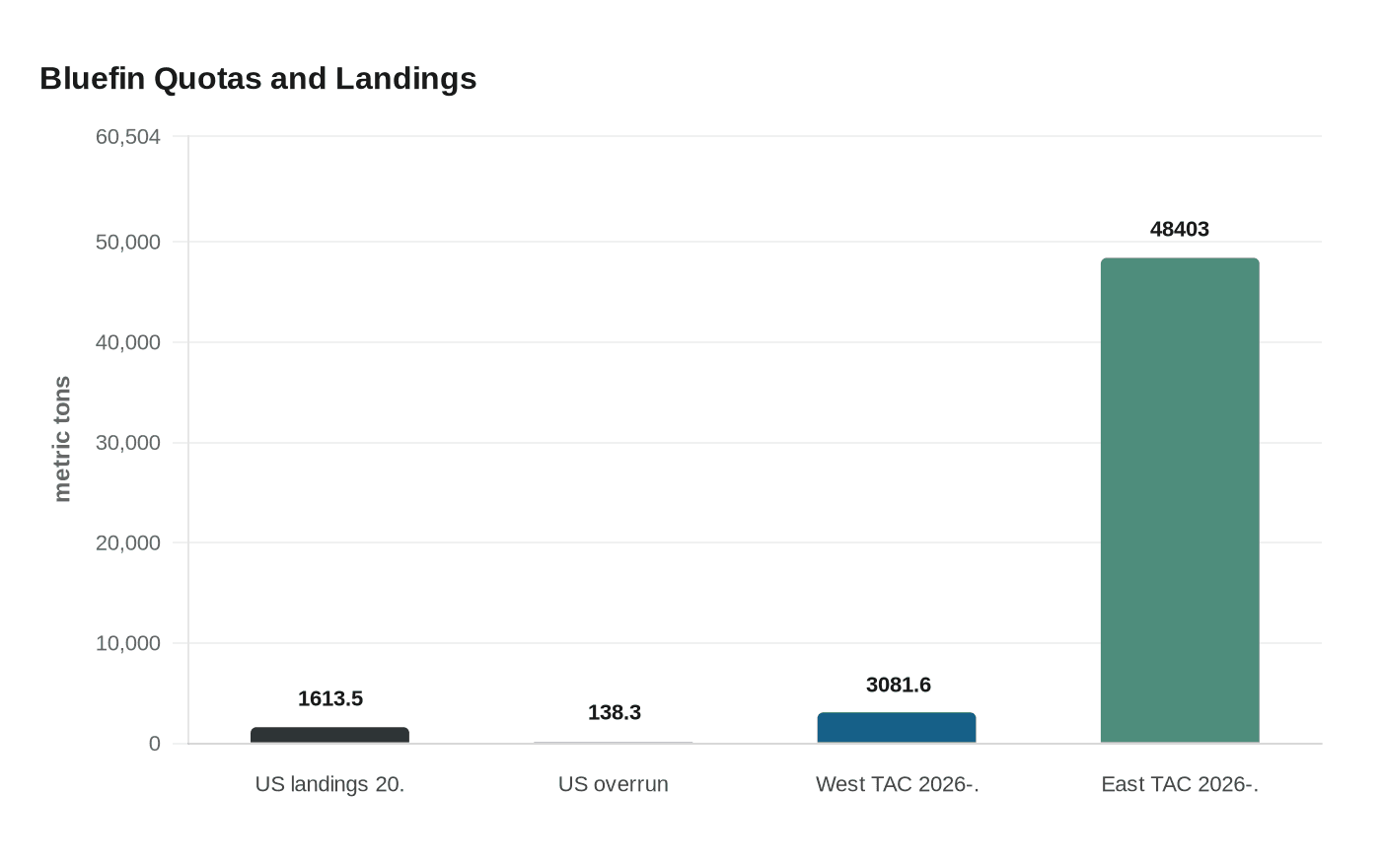
The management stakes are immediate. NOAA said the 2025 ICCAT meeting in Seville secured a 231-metric-ton increase in the U.S. bluefin quota, the largest single-year increase in the fishery’s history, taking effect in 2026. NOAA also reported that U.S. bluefin landings in 2024 totaled 1,613.5 metric tons, including dead discards, which was 138.3 metric tons, or 9%, above the adjusted quota and the first U.S. overrun in more than 20 years. ICCAT has also set new western and eastern bluefin TACs for 2026-2028 at 3,081.6 tonnes and 48,403 tonnes.
For tuna anglers, the message is simple: the fish are crossing lines more often than the old books assumed, and the next stock assessment may redraw the balance between access, quota and who gets credit for the same bluefin moving through different waters.
Know something we missed? Have a correction or additional information?
Submit a Tip