Seaforth Sportfishing shifts tactics as yellowfin and skipjack fill the hold
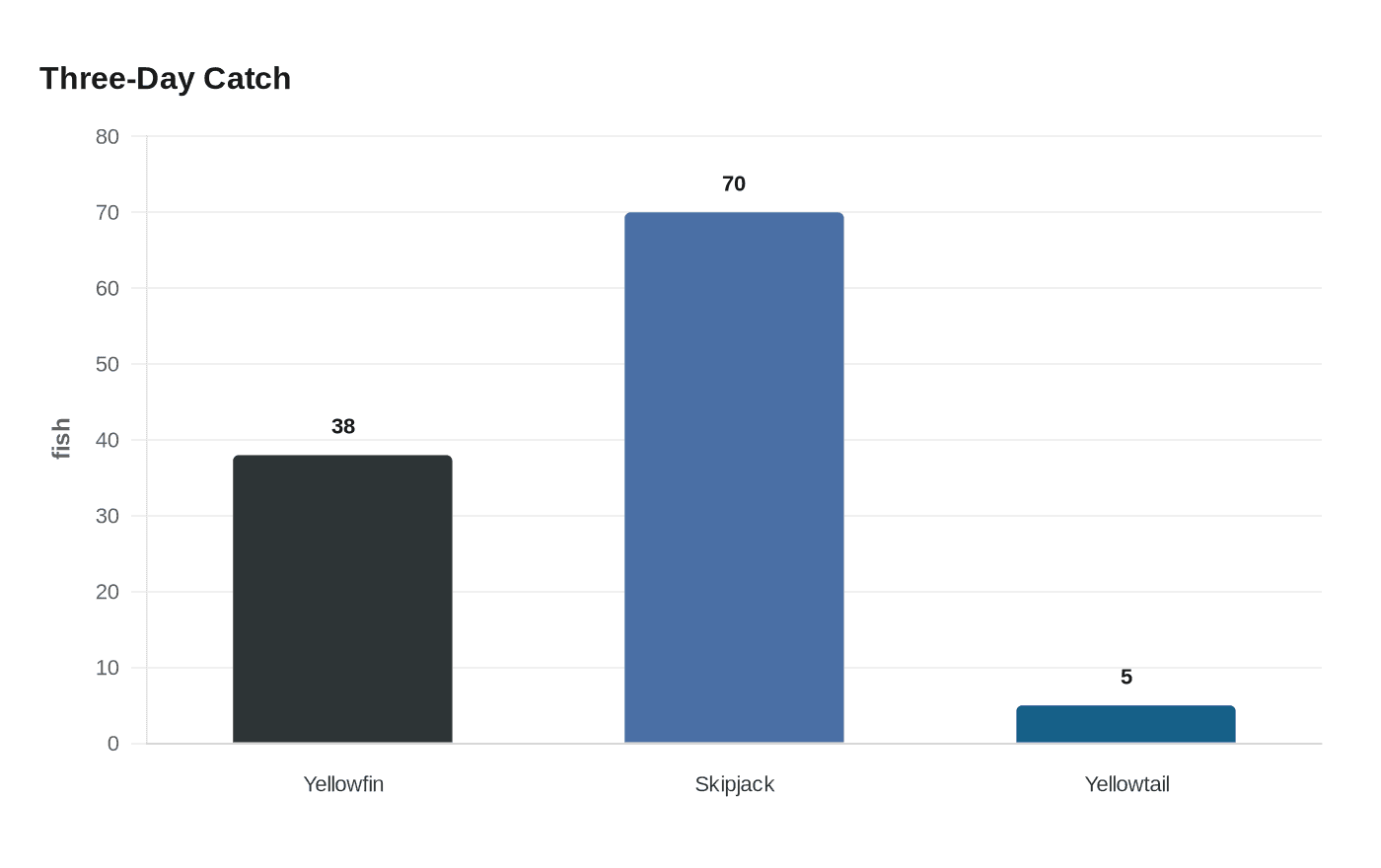
Bluefin stayed stubborn on Polaris Supreme, but Team Supreme kept the trip productive with 38 yellowfin, 70 skipjack and 5 yellowtail.

Bluefin went from the main event to the tough sell on Polaris Supreme, and Team Supreme answered by changing the plan instead of grinding the trip into a dead end. On the three-day run out of Seaforth Sportfishing in Mission Bay, the boat came in with 38 yellowfin tuna, 70 skipjack and 5 yellowtail after the crew pivoted early and fished the tuna that were actually biting.
That shift mattered because the report made clear the bluefin were not being ignored out of impatience. They had been "elusive" over the last few trips, and the crew had already put in the effort before deciding to switch things up at the start of the three-day. In the same recent stretch, though, Seaforth also logged an epic bluefin night that produced 65 fish, including 35 tuna in the 100- to 165-pound range. The swing from that kind of night to a mixed-bag run is exactly what San Diego offshore captains have been dealing with this season.
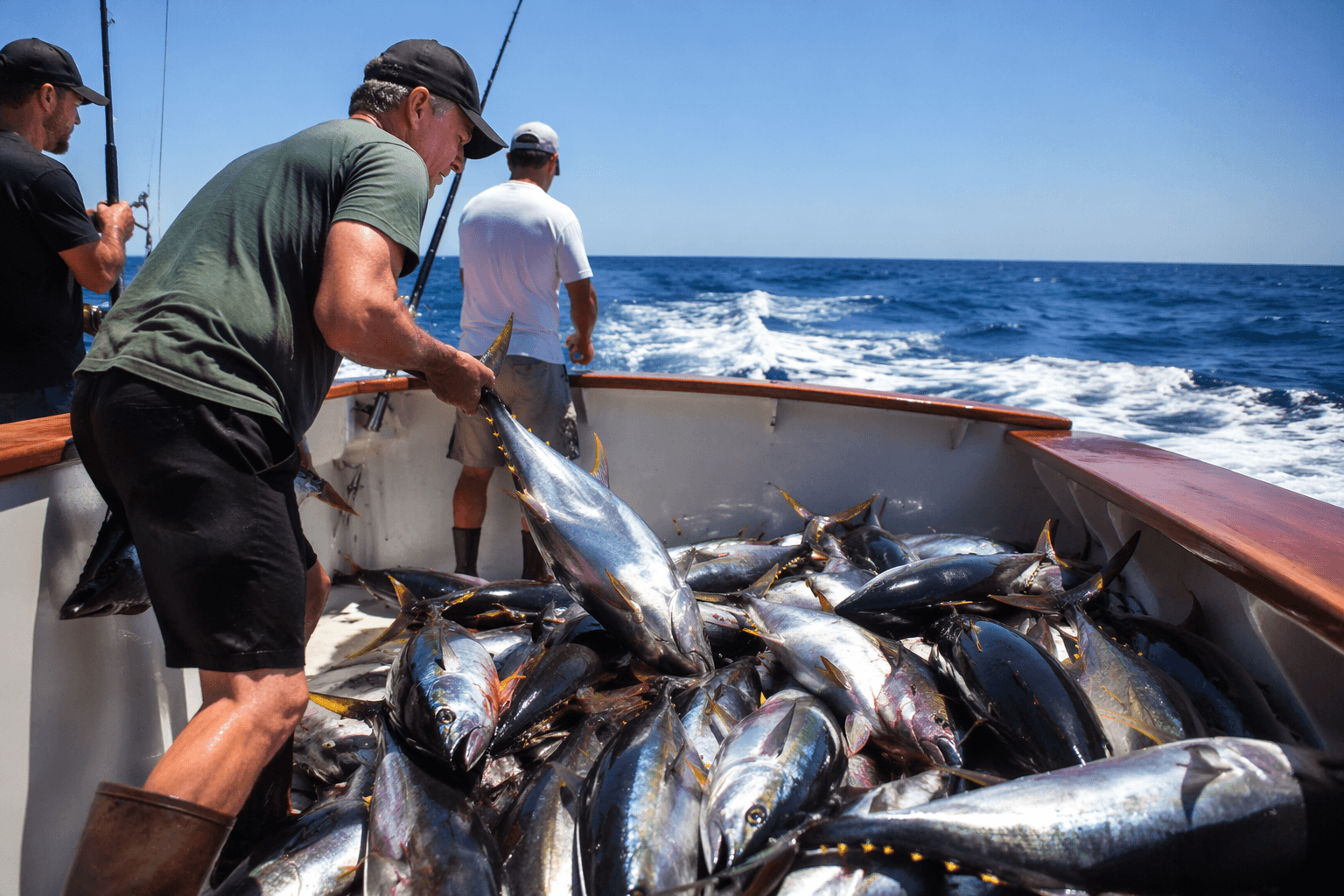
For anglers watching the San Diego zone, the takeaway is practical: the fishery was alive, but it was not offering a clean bluefin program every time the boat cleared the inlet. Yellowfin and skipjack were available, yellowtail added a few more bites, and bluefin remained a bonus rather than a guarantee. That is the kind of pattern that changes trip expectations fast, especially on a landing like Seaforth that runs half-day, full-day, offshore and multi-day trips. The smarter target right now is the bite in front of the boat, not the species on the wish list.
The pressure around bluefin also explains why those swings matter so much. NOAA Fisheries says the 2025-2026 U.S. Pacific bluefin tuna commercial catch limit is 1,872.85 metric tons, with no more than 1,285 metric tons in a single year, a framework tied to the Inter-American Tropical Tuna Commission’s Resolution C-24-02. NOAA says that limit is nearly 80 percent higher than the previous biennial cap. That makes bluefin a headline fish, but Seaforth’s June 2 run showed the real business of the offshore season: when bluefin won’t cooperate, the boats that keep moving and keep adapting are the ones still filling the hold.
This article was produced by Prism’s automated news system from verified source data, official records, and press releases, then run through automated quality and moderation checks before publishing. The system is built and supervised by the people who set the standards it runs under. Read our full AI policy.
Did this article answer your question?