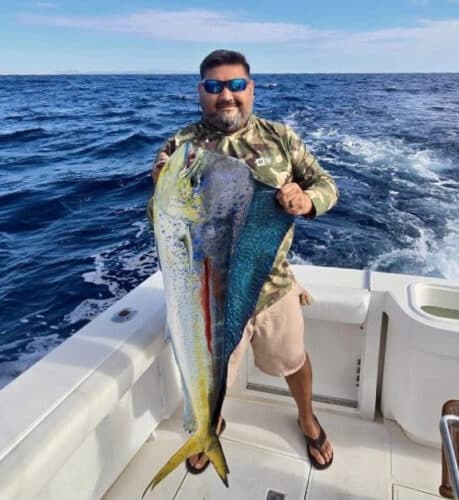
Texas offshore tuna bite heats up near Port Aransas oil rigs
Blue water is already close off Port Aransas, but the real question is whether the rigs justify the fuel burn. With tuna, mahi and marlin showing, crews can still anchor the day on snapper if the pelagics fade.
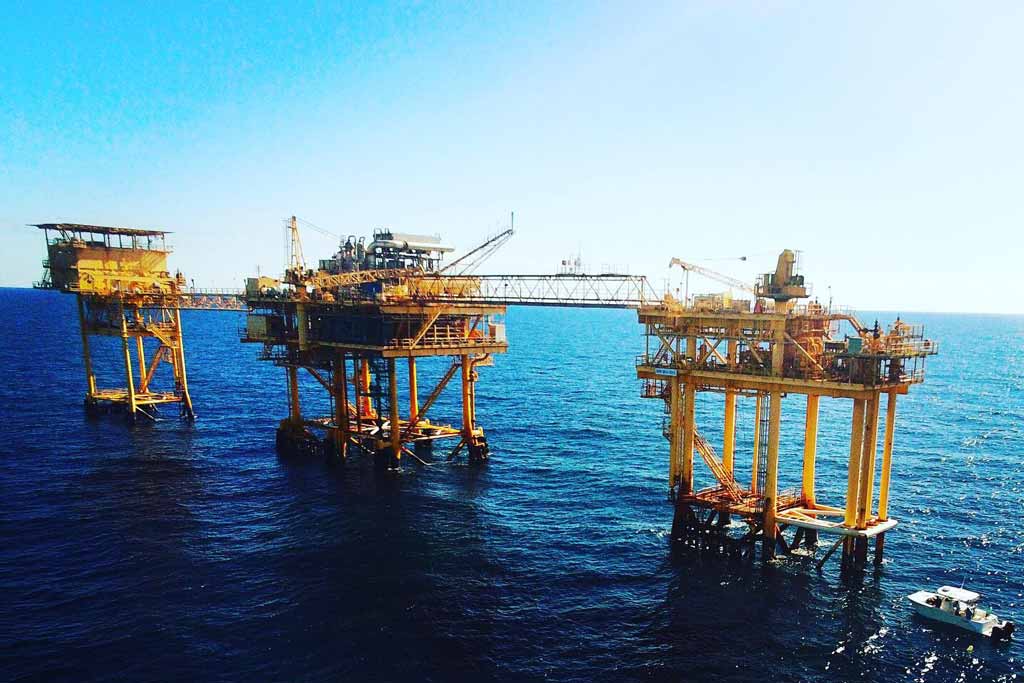
Port Aransas is offering Gulf crews a summer choice that only gets harder to ignore when the blue water slides in close: stay on the red snapper and load the box, or make the long run for tuna around the rigs. The offshore edge is already about 25 miles out, and tuna, sailfish, mahi mahi and marlin are showing around the oil rigs, which turns the trip into a question of timing, weather and fuel discipline rather than blind hope.
The snapper window is the safety net
NOAA Fisheries opened the 2026 federal for-hire red snapper season in the Gulf of America on June 1, and it runs 147 days, closing October 26. The quota for federal for-hire boats is 3,380,574 pounds whole weight, with an annual catch target of 3,076,322 pounds whole weight. That kind of summer window explains why charter calendars tighten fast and why price and availability can move sharply once the season is on.
Texas Parks and Wildlife kept the June 1 opener in place in May and paired that decision with a Gulf-wide disCARD study with Mississippi State University and the other Gulf state agencies.
For anglers weighing a tuna burn, the snapper season changes the math in a practical way. If the tuna bite is slow, the day does not have to collapse into a wasted run, because the boats are already working a fishery that is open, active and capable of filling coolers.
What makes the rig run worth it
The clearest sign that the gamble is sensible is the water itself. Blue water is already close, and kingfish, mahi, sailfish and marlin are being found within 50 miles.
That is the kind of setup that makes a rig run feel less like a moonshot. When the blue line is not way offshore, a crew can push harder without surrendering the whole day to transit, and the oil rigs become the place to watch for tuna rather than the only place worth trying. Rough conditions have been a problem, but boats are still coming in with snapper limits and a mix of other fish.
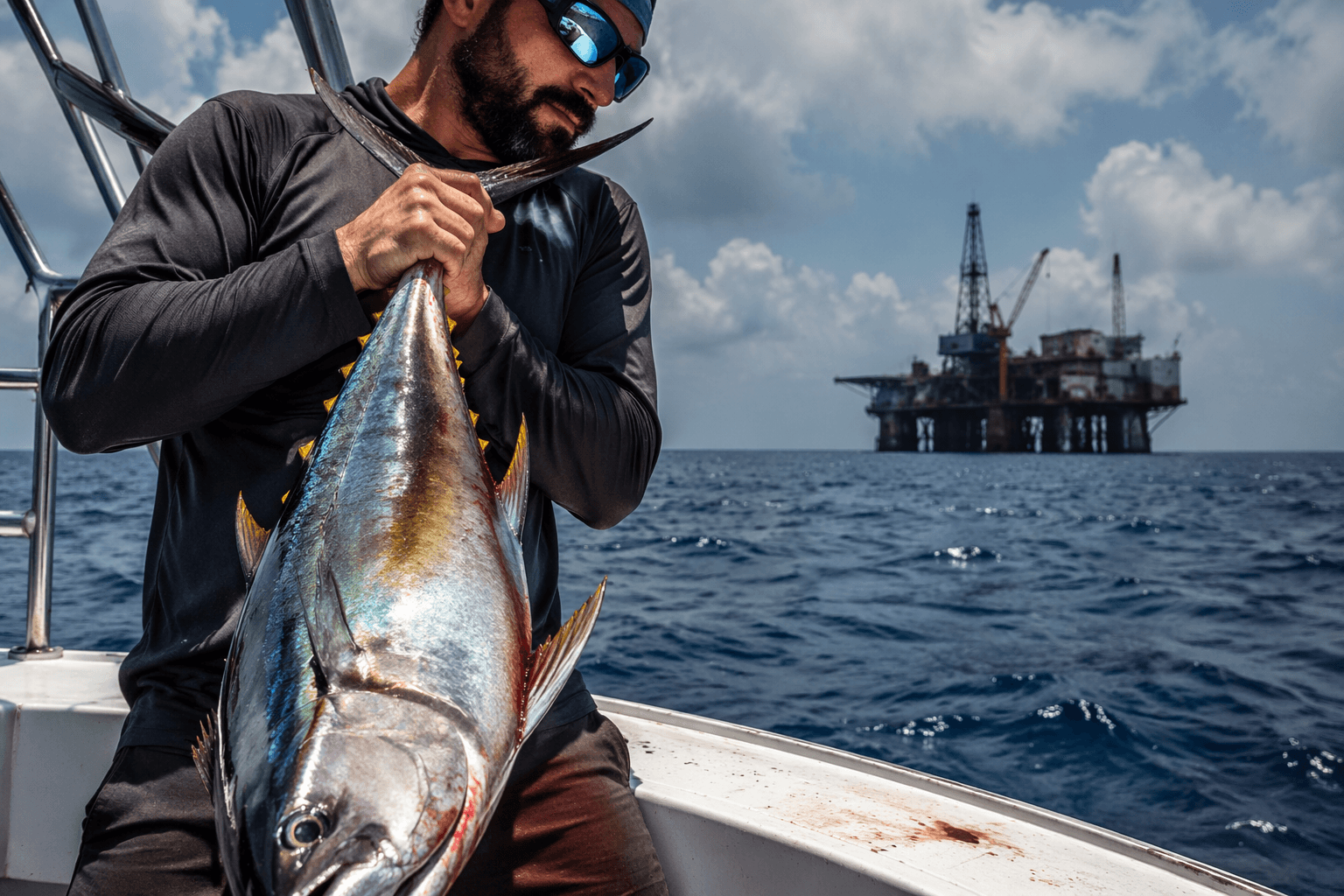
The practical read is simple. Burn the fuel when the forecast gives you a real shot at staying on station, when bait is alive around the rigs and when the reports show pelagics stacking in the same water mass. If the wind or sea state makes the long push feel like a gamble with bad odds, Port Aransas still has enough nearby action to keep the day productive.
What a true tuna trip looks like out of Port Aransas
A yellowfin tuna trip out of Port Aransas is a serious offshore commitment, often an overnight or 36-hour run to deep-water rigs and drilling platforms 100 to 200 miles offshore. The typical target list stretches beyond yellowfin to blackfin, wahoo, dorado or mahi mahi, and the occasional blue marlin. These trips are built for broad pelagic opportunity, not a single fish on a promise.
That structure matters because the tuna play is not the same as a snapper hop. A crew going that far is betting on enough time, enough fuel and enough water movement to stay flexible once it reaches the rigs. If tuna are up, the ride is justified immediately. If they are not, the boat still needs a plan that uses the rest of the offshore menu instead of forcing the whole trip into a dead end.
How to structure the day so the trip still pays
The best Port Aransas offshore runs now look like a two-layer plan. The first layer is the long shot at the rigs, where tuna and the other big-water species are already showing. The second layer is the fallback inside 50 miles, where kingfish, mahi, sailfish and marlin are already in the picture and snapper limits are still on the board.
That means the strongest crews are building trips that can pivot without wasting the weather window. They leave room for the snapper stop, keep the boat positioned to work the blue-water edge if the tuna never rise, and avoid spending the whole day chasing one species when the broader summer bite is already alive.
This article was produced by Prism’s automated news system from verified source data, official records, and press releases, then run through automated quality and moderation checks before publishing. The system is built and supervised by the people who set the standards it runs under. Read our full AI policy.
Did this article answer your question?