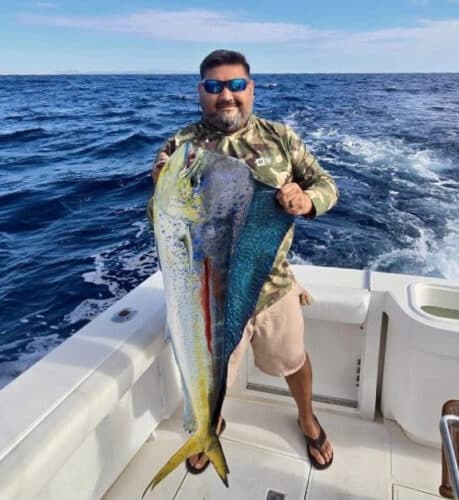
Treasure Coast live-bait surge powers blackfin tuna and mahi bites
Stuart’s June bait build-up pushed blackfin tuna into the mix as mahi, sailfish and kingfish fed the same live-bait lanes.

Live bait took center stage in Stuart as June bait schools thickened along the Treasure Coast, and Catch of the Day Charters framed the offshore bite as one of the most productive stretches of the year. The June 8, 2026 report pointed to warming water, heavier concentrations of threadfin herring, sardines and pilchards, and a fishery shifting away from blind trolling and toward natural presentations.
That shift mattered because the action was not tied to one species. The crew described June trips as a mix of kite fishing and bump trolling with live bait, especially along weed lines, current edges, offshore debris and structure. In that setup, mahi-mahi, blackfin tuna, sailfish and kingfish all stayed in play, with the bait build-up along beaches and offshore structure driving the expectation for steady bites.
Blackfin tuna earned their own callout in the report, and for good reason. The fish continued to provide consistent offshore action and remained a reliable fish-box species when mahi or sailfish did not cooperate. Larger fish were also showing up in the broader South Florida pattern, with Jupiter bait reporting tuna coming on vertical jigs or live bait fished 25 to 50 feet down, while smaller blackfin were also getting hooked trolling small lures and feathers.
The timing lined up with the seasonal window anglers know best. Florida Sportsman places May through July in prime blackfin season off South Florida, with fish moving from the Keys up the Atlantic coast to Palm Beach in May and lingering for months. For Stuart and the Treasure Coast, that makes blackfin part of a wider early-summer pelagic mix rather than a one-species push, and it explains why local crews were leaning into flexibility, light tackle and bait-driven decisions.
The regulatory backdrop also keeps the bite straightforward for many trips. Florida Fish and Wildlife Conservation Commission guidance says blackfin tuna in state waters fall under the default unregulated-species limit of two fish or 100 pounds per person per day, whichever is more, unless another rule applies. NOAA Fisheries says anglers targeting federally managed tunas in state or federal waters need a federal HMS Angling Permit, and recreational anglers with HMS permits must report bluefin tuna and billfish landings within 24 hours.
FWC describes blackfin tuna as a native pelagic species in state and federal waters, and recent materials say the fishery is overwhelmingly recreational, with 92% to 95% of total harvest coming from that sector in recent years. On the Treasure Coast, that is exactly the kind of fishery Stuart was signaling on June 8: bait first, predator second, and blackfin right there when the summer pattern opened up.
This article was produced by Prism’s automated news system from verified source data, official records, and press releases, then run through automated quality and moderation checks before publishing. The system is built and supervised by the people who set the standards it runs under. Read our full AI policy.
Did this article answer your question?