Warmer canyon water sparks early yellowfin tuna action offshore
Warm water slid west from Veatch and Atlantis, and several offshore boats already found smaller yellowfin. Wind and 6- to 10-foot seas still made the canyon window narrow.
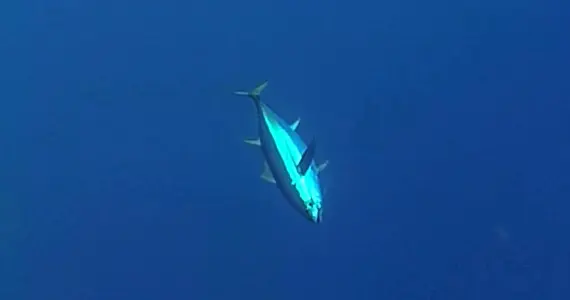
Warm canyon water pushing west from the Veatch Canyon and Atlantis Canyon areas has started to shift the yellowfin conversation toward eastern Connecticut, and several offshore boats have already found smaller fish. That change mattered because it pointed to the first real canyon push of the season, the kind of move that can turn scattered early-summer reports into a more dependable offshore bite if the weather cooperates.
J&B Tackle’s June 11 report said offshore conditions continued to improve, but wind stayed the biggest obstacle for local anglers this week. The same day, NOAA’s offshore marine forecast called for west to southwest winds of 20 to 30 knots and seas of 6 to 10 feet in the Baltimore Canyon to 1000-fathom waters, a rough ride for any crew trying to run hard and burn daylight on a yellowfin trip. For now, the practical read is simple: the fish are showing, but the weather is still deciding who gets to reach them.
That is why the report carried more weight than a routine offshore mention. The smaller yellowfin are a useful marker for the Northeast transition, especially for anglers running from the Connecticut shoreline or Block Island, where J&B’s June 2025 tuna guide had already framed June as the start of the hunt. When warm water creeps west and boats start connecting, it usually means the season is moving in the right direction, even if it is not fully open yet.
The inshore picture helped explain why the offshore signs looked promising. Eastern Connecticut and Rhode Island waters were already lighting up with exceptional striped bass fishing at Plum Gut, Hatchett Reef, The Race, Fishers Island, and Watch Hill, with bunker still holding as a primary forage source. Strong bait and active predators inshore often line up with the same temperature breaks and feed lines that offshore crews watch on the edge, and that is exactly why the canyon water shift drew attention.

Yellowfin tuna sit near the top of the food chain, feeding on fish, squid and crustaceans, and federal recreational rules still matter as soon as a crew finds them. The current yellowfin standard includes a 27-inch curved-fork-length minimum size and a three-fish per person per day or trip limit. J&B Tackle, which has served saltwater anglers in Niantic for more than four decades, was effectively signaling that the season is not wide open yet, but it is moving into that first usable window.
For now, the westward push from Veatch and Atlantis is the story offshore. If the water keeps sliding and the wind lays down, these early smaller yellowfin reports could be the first sign that southern New England is heading into a better canyon stretch before conditions change again.
This article was produced by Prism’s automated news system from verified source data, official records, and press releases, then run through automated quality and moderation checks before publishing. The system is built and supervised by the people who set the standards it runs under. Read our full AI policy.
Did this article answer your question?