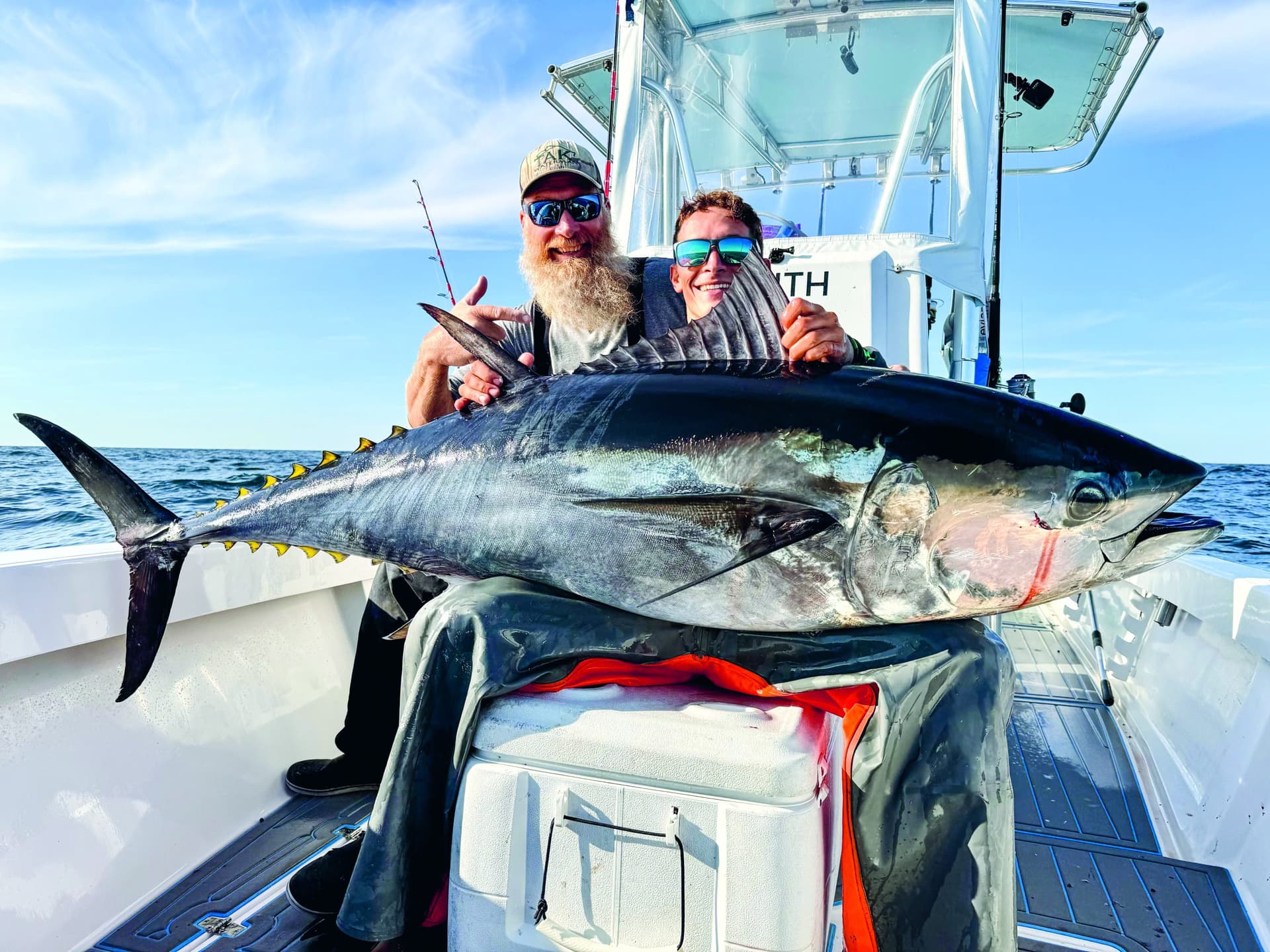
Warming oceans could reshape skipjack tuna catches in the Indian Ocean
Skipjack may get harder to pin down in parts of the basin as warming shifts the best water toward 5°S-10°N and 58°E-78°E.
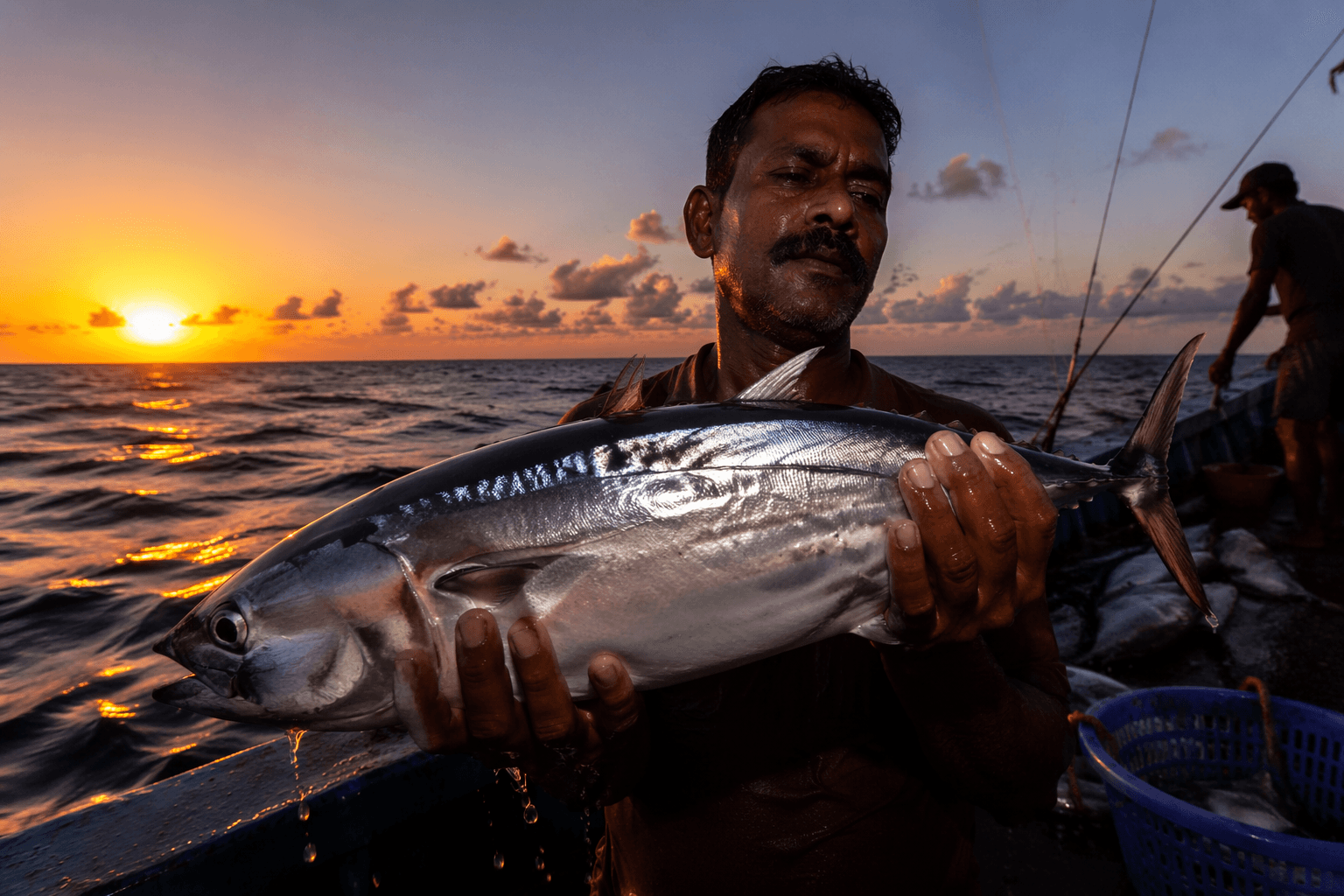
The first sign for tuna crews may be fewer predictable skipjack marks in some familiar lanes and more fish tightening up in the equatorial belt. A new study led by Norton Cossa, with Helder Arlindo Machaieie, Anildo Nataniel, Dercio Maoze and Mario Lebrato, says warming oceans could redraw where skipjack tuna concentrate across the Western Indian Ocean, changing where boats look, how far they run and which grounds take the most pressure.
Published in Frontiers in Marine Science on 16 April 2026, the paper combined Indian Ocean Tuna Commission fisheries records from 2005 to 2019 with Copernicus MyOcean environmental data and modeled the results with generalized additive models. The strongest environmental drivers were sea surface temperature, salinity, mixed layer depth, sea surface height, chlorophyll-a concentration and net primary productivity. For anglers and fleet planners, the practical takeaway is straightforward: skipjack do not just follow bait, they track the water structure that holds it.
The projections split sharply by warming level. Under moderate warming of about +1°C, relative catch biomass was expected to fall in parts of the basin. Under stronger warming of about +3°C, thermally favorable habitat expanded in the equatorial zone from 5°S to 10°N and 58°E to 78°E, close to skipjack’s preferred 26-29°C thermal niche. That means some traditional search areas could lose consistency while the equatorial core gains value, especially when crews are deciding whether to push farther offshore or stay on the edge of existing grounds.
The timing matters because skipjack are already under heavy management pressure. The Indian Ocean is the second-largest tuna-producing region in the world, and IOTC reported a record 688,680 tons of skipjack in 2023, about 34% above the harvest control rule limit. The 2024 catch was reported at 764,521 tons, another record high and above the recommended TAC. In response, the IOTC adopted the first binding catch limits for skipjack in 2025 after management procedures were introduced in 2024.
Earlier work points the same way. Studies have found a significant negative correlation between sea surface temperature in the western and central Indian Ocean and skipjack abundance, along with a 0 to 2 year lag effect from climate oscillations. For tuna fishermen, that means the map is not just changing season by season. It is shifting the places where skipjack are easiest to find, where pressure will build next, and where the best water may hold first when the fleet starts hunting the next run.
This article was produced by Prism’s automated news system from verified source data, official records, and press releases, then run through automated quality and moderation checks before publishing. The system is built and supervised by the people who set the standards it runs under. Read our full AI policy.
Know something we missed? Have a correction or additional information?
Submit a Tip