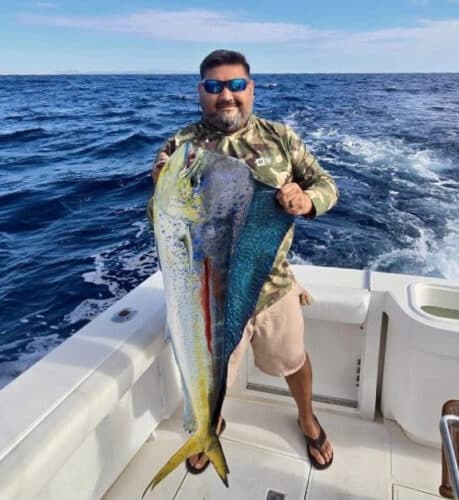
West Central Florida forecast shows blackfin tuna in offshore mix
Blackfin are showing in the offshore mix, but the real question is whether the weather and the backup bite make the fuel burn worth it.

Offshore decision time for Memorial Day weekend
Blackfin tuna are on the board off West Central Florida, but they are showing up as part of a broader offshore pattern, not as a clean, tuna-only bite. Capt. Ray Markham’s Memorial Day weekend read, covering May 21 to May 25, 2026, points to a mixed Gulf run: anglers pushing beyond 100 feet are still finding good red grouper, triggerfish, and a mix of snappers, while kingfish and scattered blackfin tuna are being reported offshore.
That matters because this is the kind of weekend when crews have to decide what justifies the trip. If you are chasing blackfin specifically, the fish are there enough to stay on the radar, but the real value may come from building a plan around the whole offshore menu. Sailfish, dolphin, and wahoo can all slide into the mix, which gives a run some upside even if the tuna never fire the way you want.
Where the bite makes sense
The most usable number in the forecast is the depth: beyond 100 feet is where the better offshore fishing is showing up. That is where the red grouper, triggerfish, and snapper action has been holding together, and that is also where the scattered blackfin reports are coming from. In practical terms, this is not a nearshore hop for a quick tuna shot; it is a committed offshore program.
Conditions are part of the call. Florida Sportsman flagged winds gusting to 20 mph or more for anglers heading out early, along with afternoon and evening thunderstorms. On a holiday weekend, that combination changes everything. A crew with a clean weather window can work the offshore stretch and stay flexible, while anyone trying to force a long run into unstable conditions may spend more time managing the ride than fishing.
For the best odds, the play is to keep the day open-ended:
- Run offshore only if the early forecast gives you room to move safely.
- Be ready to fish the bottom if the tuna stay scattered.
- Treat kingfish as a meaningful fallback, not a consolation prize.
- Leave room in the spread or bait plan for a surprise shot at dolphin, wahoo, or sailfish.
That mix is exactly why the forecast is useful. It tells you when the Gulf is giving you a chance at blackfin, but only if you are willing to fish around wind, current, and the usual holiday traffic.
Why blackfin are part of the spring picture
Florida Fish and Wildlife Conservation Commission background helps explain why blackfin tuna keep turning up in these mixed offshore reports. Blackfin are native fish found in coastal to offshore waters, and they commonly reach 28 inches. They feed on small fishes, invertebrates, and plankton, which puts them right into the kind of spring offshore ecosystem that can also hold bait, kings, and pelagics.
The spawning window also lines up with what crews see in the Gulf. FWC says peak spawning in Florida occurs from May through June in southeast Florida and during late spring and summer in the Gulf of Mexico. That does not guarantee a bite on any given day, but it does help explain why Memorial Day weekend can still produce blackfin opportunities when weather, bait, and current line up.
What the regulations and management history tell you
Blackfin tuna are one of the more straightforward species on the legal side because they do not carry species-specific regulations in state or federal waters. Instead, they fall under Florida’s default recreational limit for unregulated species, which is 2 fish or 100 pounds per person per day, whichever is greater. That is one reason blackfin can show up in mixed offshore reports without the kind of season talk that follows other tunas.
The bigger picture is mostly recreational. FWC says 92% to 95% of blackfin harvest comes from the recreational sector, and over the last five years about 60% of recreational landings have come from private vessels while 40% have come from for-hire boats. More than half of annual harvest comes from federal waters in most years, which matches the way most serious blackfin effort in Florida is spread across offshore private and charter programs.
Management attention has been building, too. In 2019, FWC staff said anglers and charter captains were seeing increased concern and interest in the fishery, especially in southeast Florida and the Keys. The agency held seven public workshops around the state, and a draft rule proposed a statewide limit of 2 fish per person per day and 10 fish per vessel per day, whichever is greater. Current guidance still treats blackfin as an unregulated species under the default limit, but the earlier discussion shows how quickly interest can rise when the fish become more visible to the fleet.
The Memorial Day read on the Gulf
The bottom line for West Central Florida is simple: blackfin tuna are worth watching, but not as a standalone promise. If the weather settles enough to push beyond 100 feet, the offshore window can still pay with blackfin plus kings and a strong chance at red grouper, triggerfish, and snappers. If the sea state turns ugly, the tuna story gets a lot harder to cash in.
That is the real Memorial Day call for this coast. The blackfin are in the offshore mix, but the crews most likely to make the run pay are the ones ready to fish the whole spread, not just the tuna.
This article was produced by Prism’s automated news system from verified source data, official records, and press releases, then run through automated quality and moderation checks before publishing. The system is built and supervised by the people who set the standards it runs under. Read our full AI policy.
Did this article answer your question?