Beginner's Guide to Buying, Storing, and Maintaining Vintage Synthesizers
A playable Juno or ARP Odyssey beats an unrestored rarity every time; here's how to buy smart, store safely, and keep vintage circuits singing.
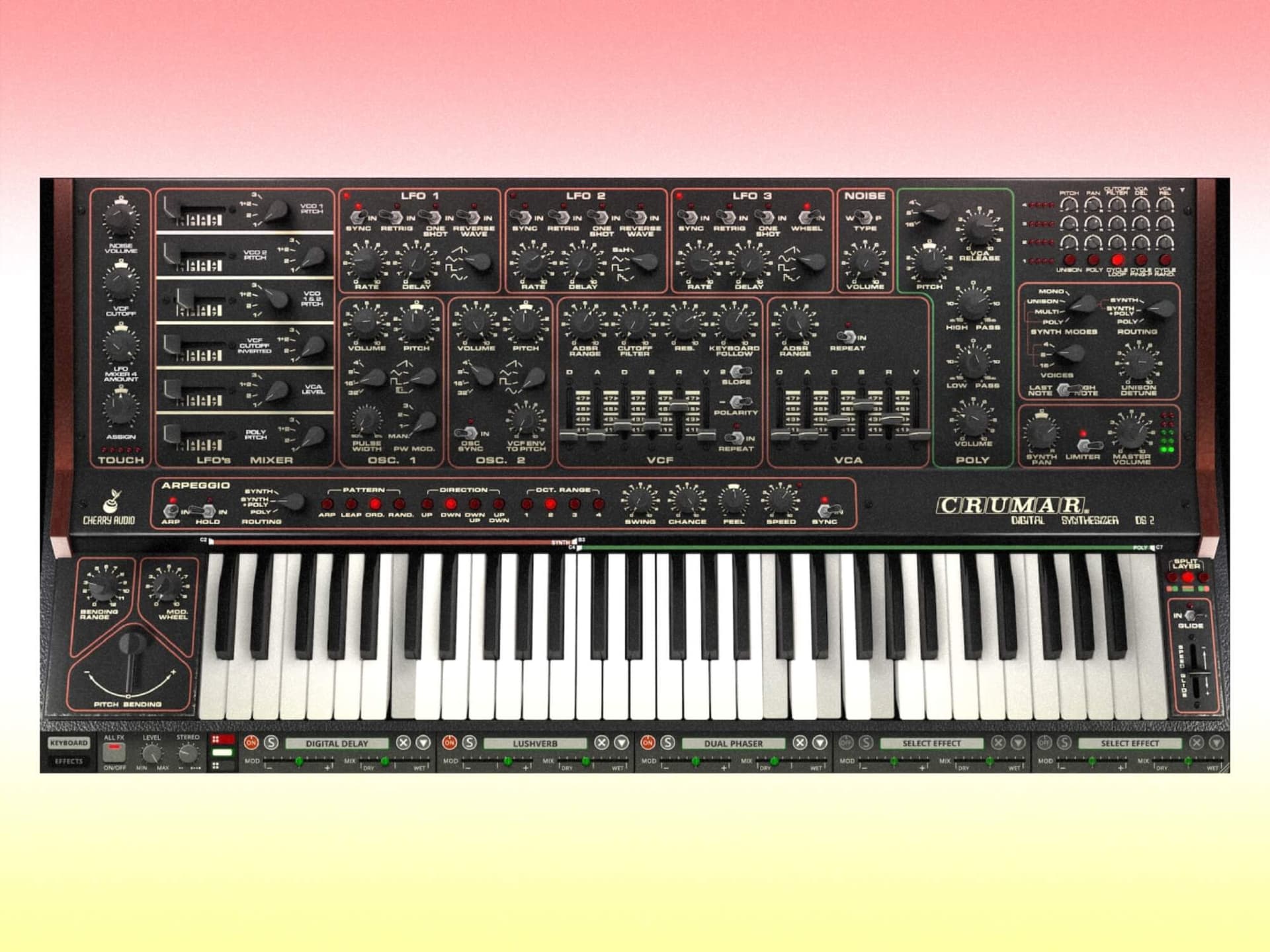
The filter on a Juno-106 does something no plugin has fully captured. The oscillator drift on a Korg MS-20 sits in recordings like a living thing. These are not nostalgia arguments; they are technical ones. Vintage keyboards and synthesizers carry hardware-dependent sonic characters rooted in specific filter designs, discrete transistor timbres, and the natural imprecision of analog oscillators that modern digital emulation approximates but rarely replicates. Add to that the cultural weight of instruments that defined entire genres, and it becomes clear why a growing number of players are treating vintage synths less like gear and more like artifacts worth preserving.
Getting into this world the right way, however, takes more than enthusiasm. It takes a clear-eyed approach to acquisition, storage, and long-term care.
Start with playability, not rarity
The single most common mistake new collectors make is chasing rarity before capability. An unrestored ultra-rare instrument sitting in a case with dead keys and drifting tuning is not a creative tool; it is a restoration project with an uncertain price tag. For a first purchase, a playable, already-serviced example of a common classic, whether that is a Roland Juno, a Korg MS series, or an ARP Odyssey, delivers far more immediate value. These instruments are iconic for a reason, and working examples in good condition are still findable at reasonable prices.
Dealer-serviced units command a premium, but that premium often pays for itself quickly. A unit that has been recapped, had its power supply refurbished, and comes with documented restoration work reduces the risk of expensive surprises in the first year of ownership. Restoration shops that publish video and photo logs of their process, like Synthpro, offer an additional layer of transparency. When you can see a multi-part restoration series showing methodology and results before you buy, you are buying with confidence rather than hope.
Match your acquisition to your actual goals. If you want authentic vintage studio sound in your productions, prioritize instruments with original voice circuitry intact. If seamless integration with a modern DAW setup matters more, look for models that already carry MIDI, or research which have reliable retrofit options. Neither priority is wrong; they just lead to different instruments.
Storage and environmental care
Once you own a vintage synth, where and how you store it matters as much as what you paid for it. Temperature swings and humidity are the two great enemies of vintage electronics. Attics and damp basements should be avoided entirely; extremes in either direction accelerate corrosion on PCB traces and cause board delamination that is expensive and sometimes impossible to reverse. A stable, moderate indoor environment is the baseline requirement.
Power management deserves equal attention. Surge protection is non-negotiable, and for instruments with volatile patch memory, an uninterruptible power supply is worth considering. Internal backup batteries that maintain memory storage have finite lifespans and should be replaced carefully, following the manufacturer's documented guidance, before they leak and damage surrounding components.
For transport, padded cases are the minimum. For longer-term storage, loosen any straps or latches to relieve stress on chassis components, and consider acid-free covers to prevent finish degradation over time. One often-overlooked practice: power instruments up regularly, even when you are not actively playing them. Running current through electrolytic capacitors exercises them and helps prevent mechanical keys and controls from seizing up due to disuse.
Maintenance basics and choosing a restorer
Any instrument that has not been powered or serviced in years deserves a comprehensive going-over before regular use. The standard starting checklist includes recapping electrolytic capacitors, reflowing and inspecting solder joints for cold connections or cracking, and calibrating tuning where the instrument supports it. These are not optional niceties; they are what separates a synth that will run reliably for another decade from one that fails mid-session.
Choosing the right restorer is a decision worth taking seriously. The strongest signal of a reputable shop is documentation: video logs, photo series, and client references that show not just finished results but the process that got there. Synthpro, as one example, publishes detailed restoration series that make their methodology legible to anyone watching. That kind of transparency protects you as a buyer and sets a standard for what thorough work looks like.
Keep every receipt, document every repair, and hold onto original parts wherever possible. Documented provenance and service history increase resale value meaningfully, and they give future technicians or conservators the context they need to continue caring for the instrument correctly. The Moog Foundation's Moogseum is a useful reference point here: institutional collections at that level treat provenance documentation as inseparable from the instruments themselves.
Where to buy and how to verify sellers
Dealer marketplaces with buyer protection, such as Reverb and Perfect Circuit, are the lowest-risk entry point for new collectors. Reverb's price guide is particularly useful for calibrating realistic expectations before you start browsing, so you are not overpaying on enthusiasm or underselling your skepticism.
Community aggregators and forums, including MatrixSynth and dedicated vintage synth forums, surface listings early and offer informal sales that marketplaces miss. The tradeoff is risk: always verify photographs against serial numbers, ask for additional documentation, and confirm return policies before committing. The community knowledge in these spaces is invaluable, but it does not substitute for due diligence on individual transactions.
Auctions and estate sales sit at the high-risk, high-reward end of the spectrum. Bargains exist there, but condition is often unknown and return options are limited or nonexistent. Build restoration costs into every bid as a matter of discipline, not optimism. An instrument that looks cosmetically clean can still carry decades of deferred electrical maintenance.
Building the habit that makes collecting sustainable
The longer arc of responsible vintage synth collecting runs through relationships as much as acquisitions. A trusted technician who knows your instruments and your goals is worth cultivating early. Learning incremental maintenance skills, cleaning potentiometers, applying contact cleaner correctly, understanding how to power up a long-dormant instrument safely, builds both confidence and a more realistic sense of what deeper work involves before you attempt it.
The hardware legacy embedded in these instruments, the circuits that shaped the records you grew up with, does not preserve itself. Careful collecting and properly documented restoration work are what keep both the music and the machines alive for the next generation of players.
Know something we missed? Have a correction or additional information?
Submit a Tip