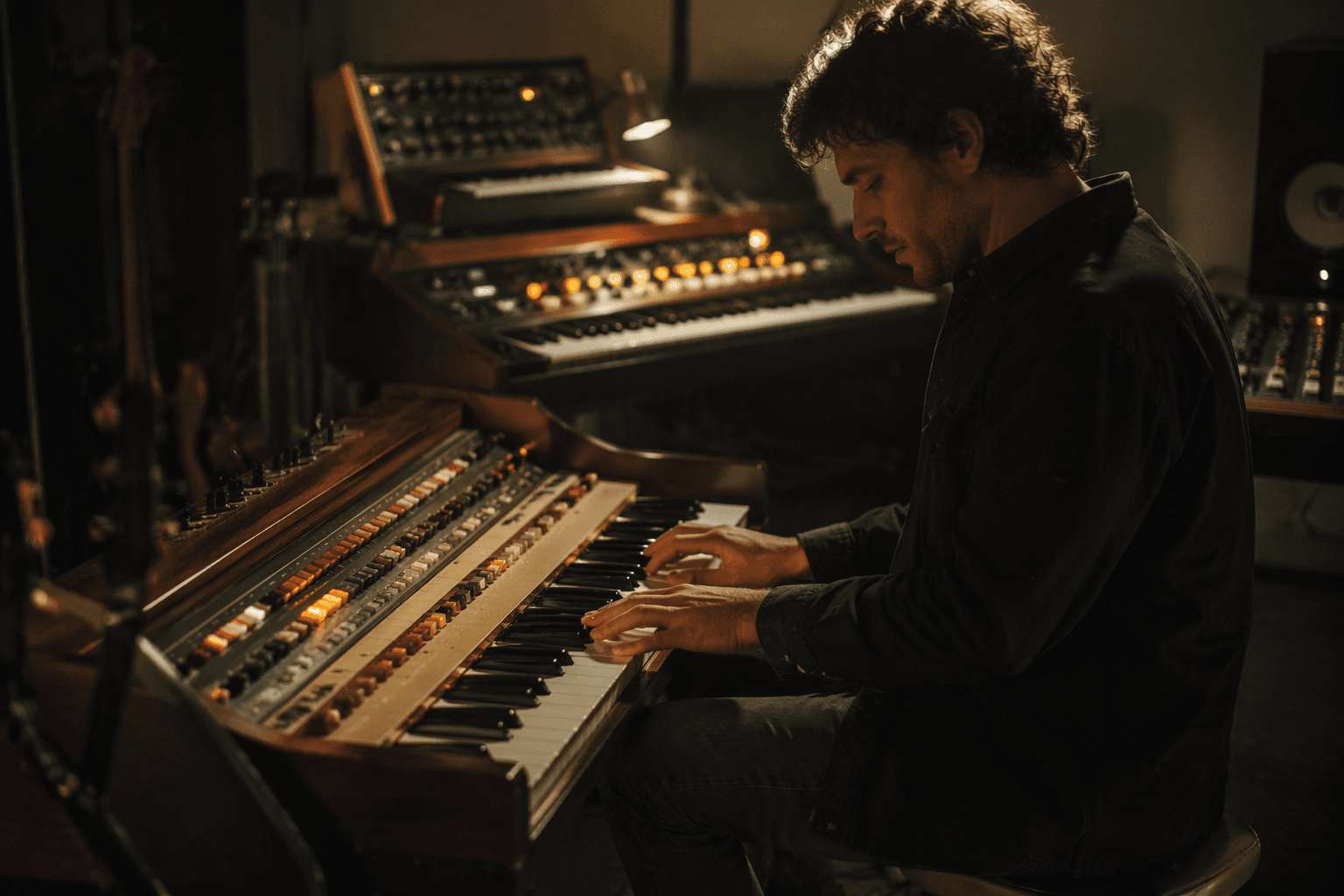
Phil Collins recalls how Roland CR-78 shaped In The Air Tonight
Phil Collins almost gave away his CR-78, then used it to build the groove behind In The Air Tonight. That mistake is why collectors still chase Roland’s first programmable drum machine.
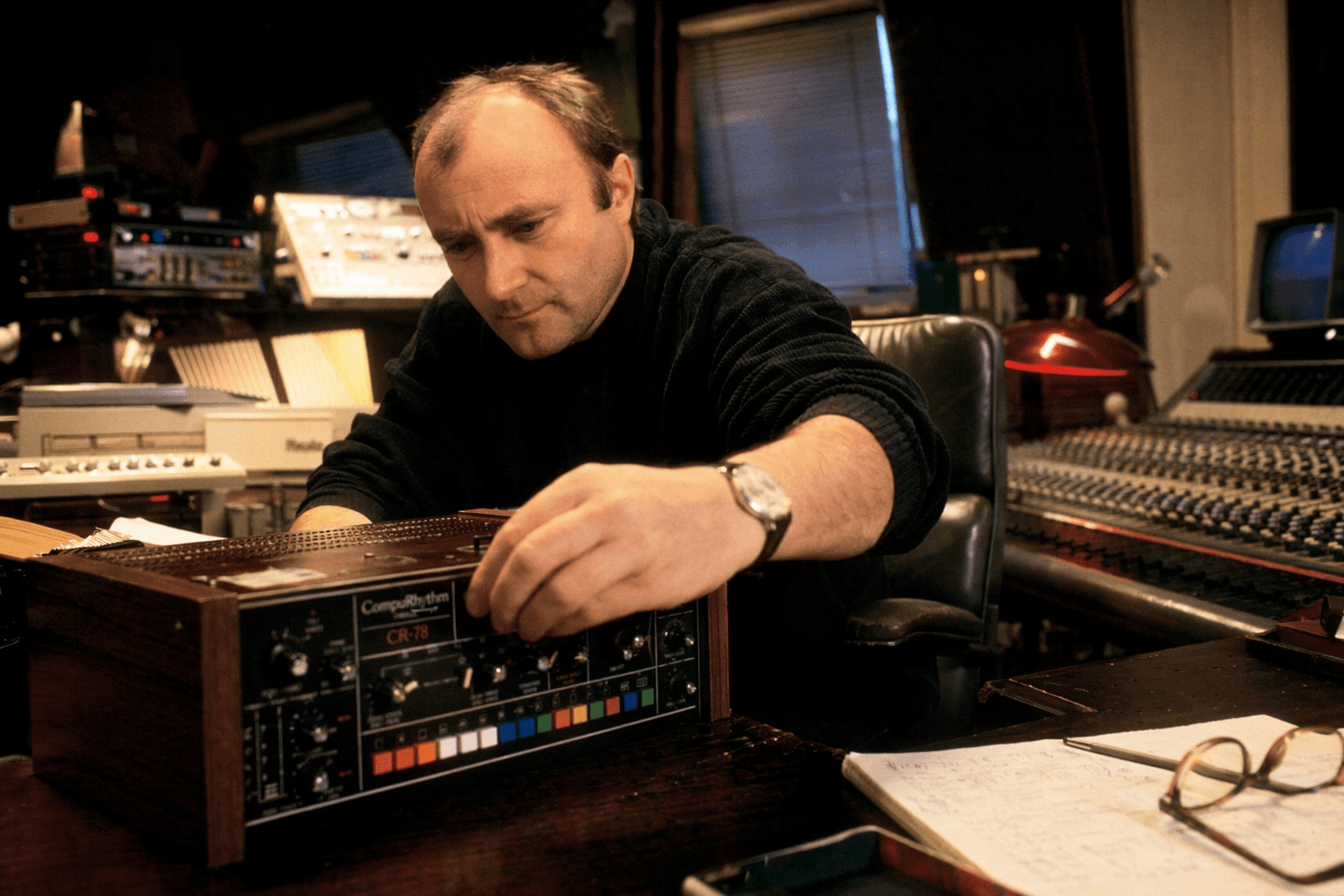
Phil Collins says the Roland CR-78 almost left his hands for good. He brought the brand-new drum machine home after a Genesis trip to Japan, decided he did not really need it, and handed it to a road crew member. Then he started working at home on his own material, realized the mistake, and asked for the machine back so he could learn to program it properly.
That turnabout still matters because the CR-78 was never just another preset box. Roland introduced it in late 1978 as its first computer-controlled programmable drum machine, with 34 preset rhythm patterns and 11 percussion sounds in the owner’s manual. It was a serious step beyond the rhythm-box novelty era, and Roland says it helped set the stage for the TR-808 and TR-909. In other words, the machine Collins nearly gave away sat right on the fault line between early preset accompaniment and the drum machine world that followed.
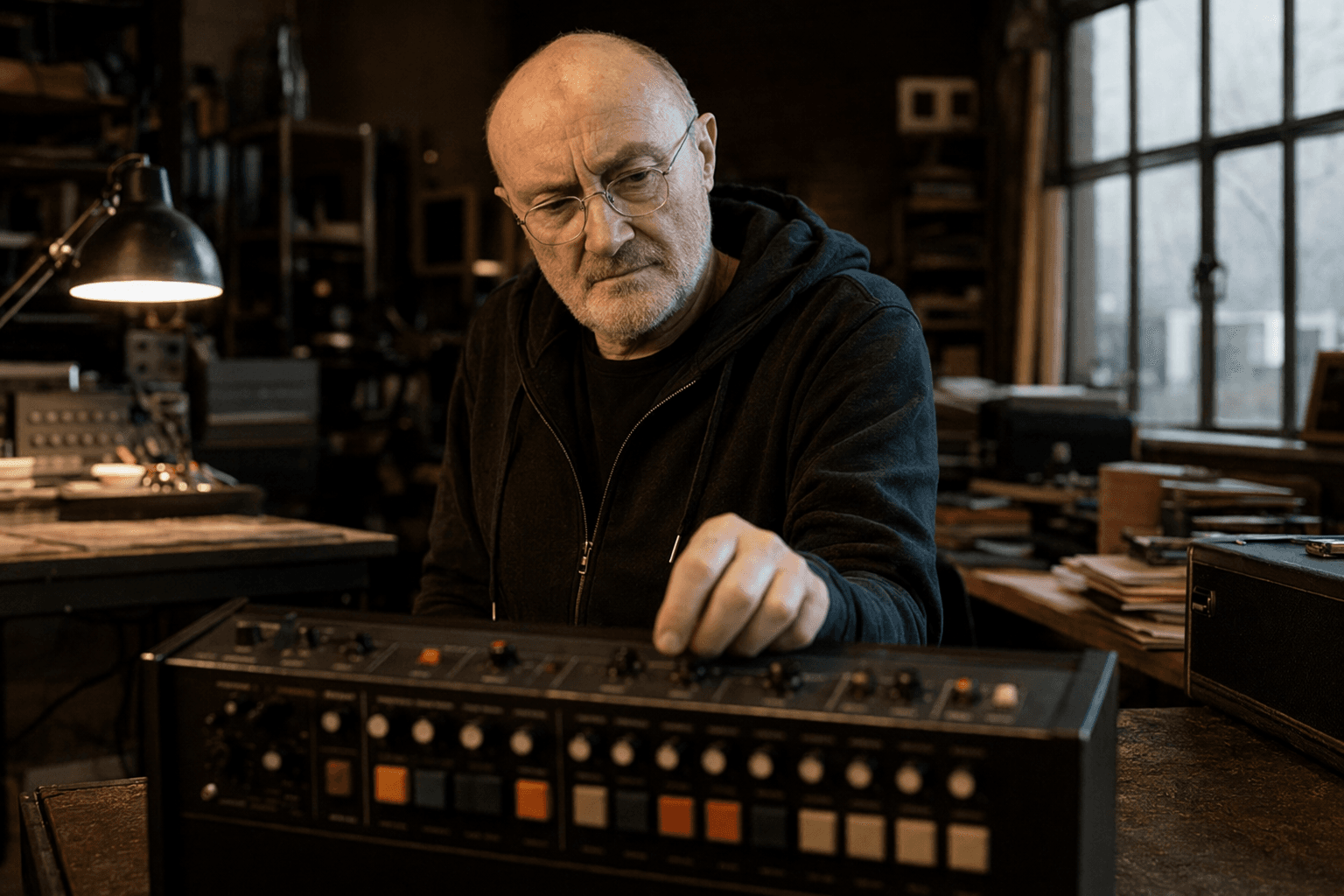
The groove that powered In The Air Tonight was built from the CR-78 too, with the song’s core pattern commonly described as a slowed-down, adapted version of the Disco 2 preset. Collins’ keyboard part came from a Sequential Circuits Prophet-5, and the combination is what gave the track its weight: the CR-78 laying down the pulse, the Prophet-5 carrying the chordal atmosphere above it. There was no studio myth magic here, just a practical rhythm pattern, careful tempo shaping, and a synth pad that landed with the right kind of menace.
That matters even more in the context of Collins’ solo career. In The Air Tonight was released as the lead single from Face Value on January 9, 1981, and the album followed on February 13, 1981. Roland says Collins used the CR-78 on the song in 1981, the same year the machine went out of production. For a player leaving Genesis and stepping into his own lane, it was a strong opening statement: not a flashy drum showcase, but a tightly constructed record that turned a programmable rhythm unit into something iconic.
The story is funny because Collins initially dismissed the CR-78 as unnecessary, then came back to it and built the record most people still associate with him. That is exactly why the machine still commands attention from collectors and players now: the CR-78 was small, practical, and easy to overlook, until the right hands made it enormous.
This article was produced by Prism’s automated news system from verified source data, official records, and press releases, then run through automated quality and moderation checks before publishing. The system is built and supervised by the people who set the standards it runs under. Read our full AI policy.
Did this article answer your question?