Behringer Previews Juno‑Style JN‑80, Jupiter‑Inspired JT‑2 and DMX‑Style BMX
Behringer previewed three near-production prototypes at NAMM, offering a Juno-style poly, a Jupiter-inspired voice module, and an Oberheim DMX-style hybrid drum machine.
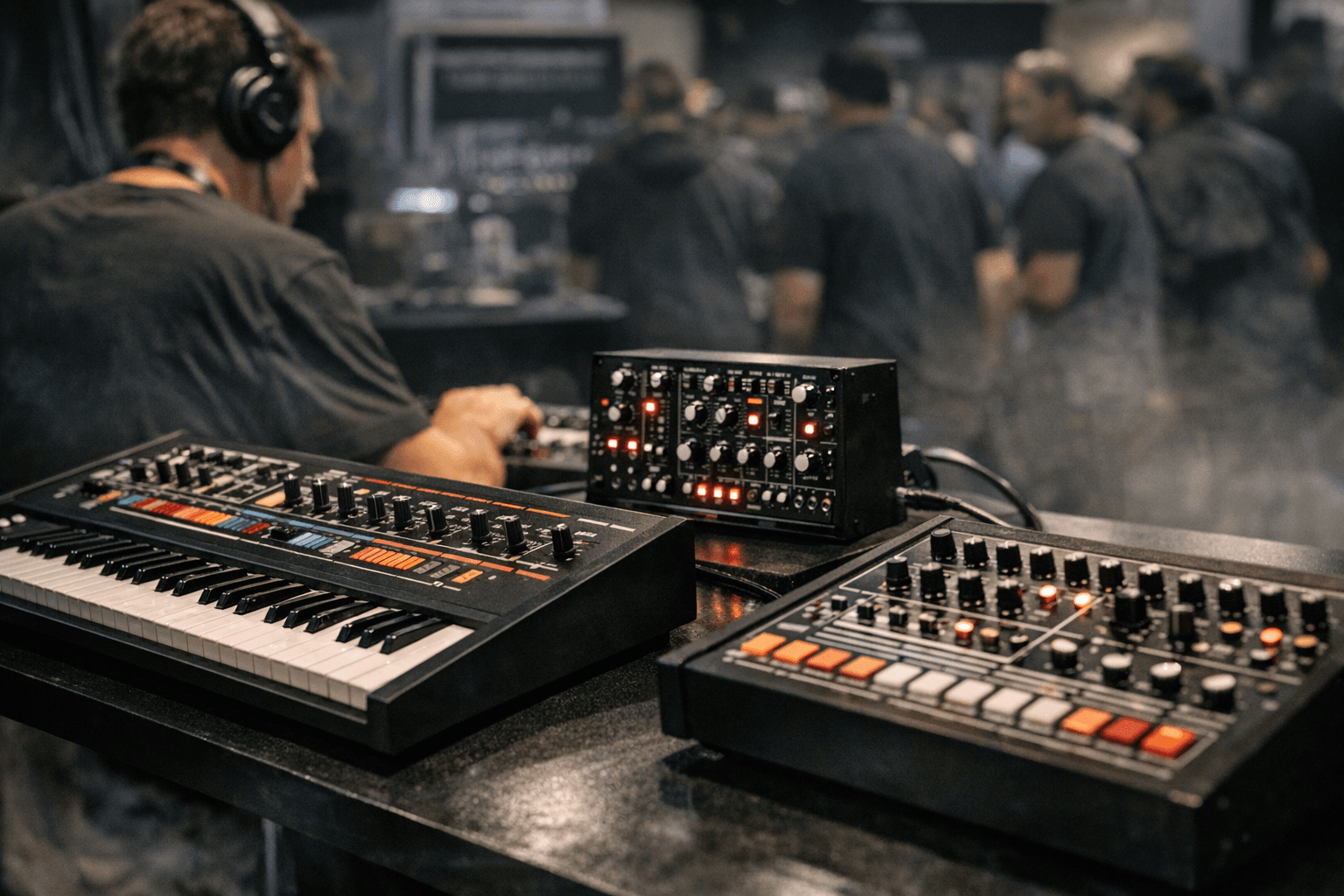
Behringer unveiled prototype units that push classic designs into modern formats, with clear implications for players chasing vintage tone without vintage cost. The JN-80, JT-2 and BMX were visible around the Behringer area at the show, with photos and retail listings implying imminent availability even though final specs and pricing remain unposted.
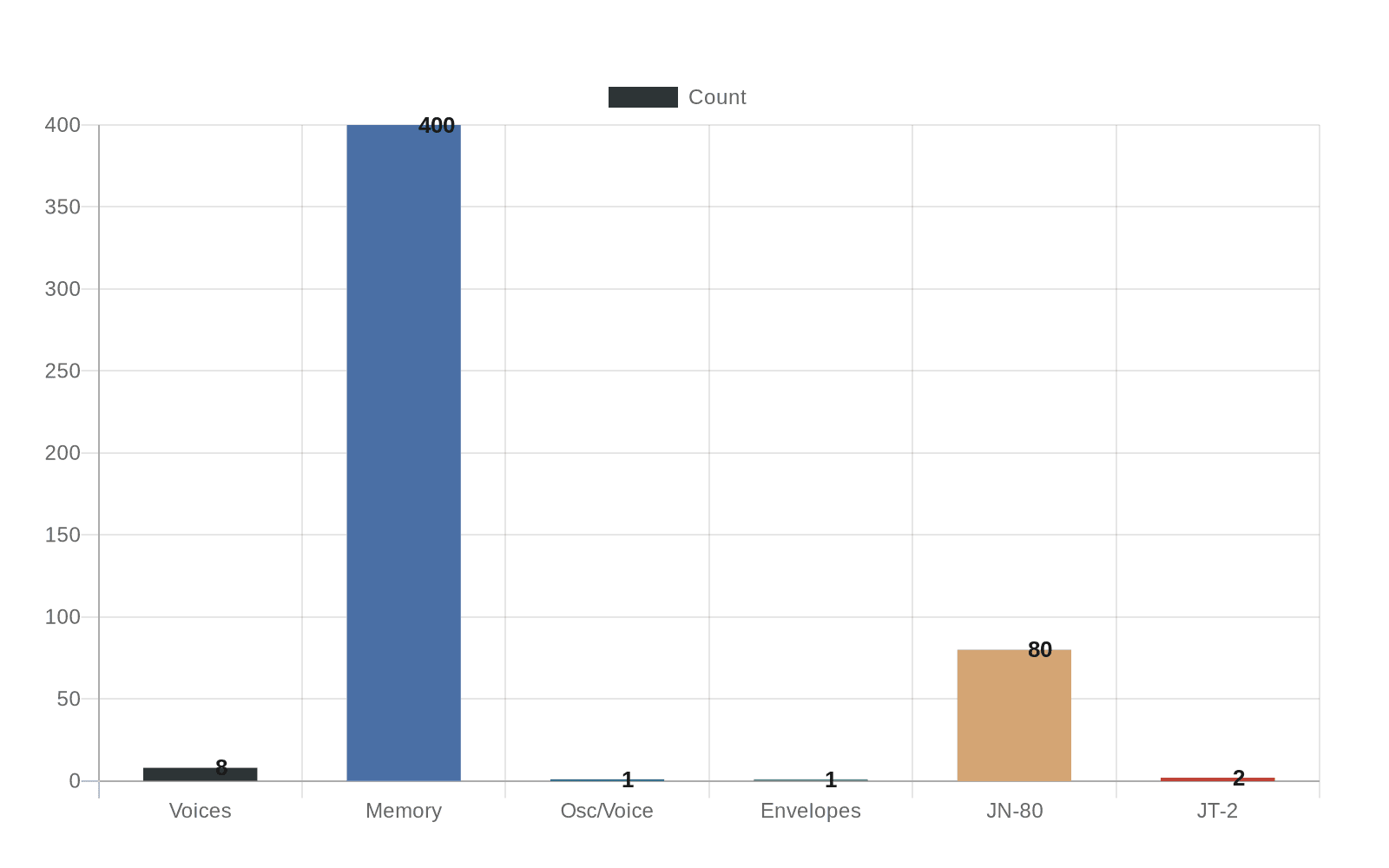
The JN-80 is a Juno-60-style instrument reworked for today. Behringer kept the Juno architecture of one oscillator per voice plus a sub-oscillator, high-pass and low-pass filters, a single envelope, an LFO and the signature chorus. The company expanded the concept to 8 voices of polyphony and added 400 memory slots for preset storage. That combination of classic signal path and modern conveniences will matter to players who want instant patch recall and fuller poly textures for pads and stacked parts. Live keyboardists and synth collectors chasing that Juno chorus and simple, hands-on programming will see practical value in the extra voice count and memory capacity.
The JT-2 arrives as a Jupiter-8-inspired desktop and Eurorack voice module. The form factor targets both keyboardists who prefer compact desktop rigs and modular users who want a voice module to patch into systems. Making Jupiter-style architecture available as a voice module broadens options for people building hybrid rigs, letting the Jupiter flavor sit alongside patch cables and modular feedback effects without committing to a full keyboard.
The BMX looks to channel the Oberheim DMX in a hybrid sampling drum machine. Behringer framed the BMX as a modern take on classic DMX sounds, combining sampling elements with drum-machine workflow. Players who covet gritty vintage drum hits but also want sample editing and modern connectivity will likely flock to a hybrid that promises both character and flexibility.
Behringer displayed these as near-production prototypes, which follows the company pattern of showing hardware that often reaches retail with little delay. Photos taken at the Behringer area and multiple retail pages visible at the show suggested release could be close, but Behringer had not posted final official specifications or pricing at the time of the previews.
For the synth community this matters for three reasons: fresh, affordable takes on sought-after timbres; new options for hybrid and modular setups; and the likely arrival of hardware that reduces GAS for vintage originals. Watch for official spec sheets and pricing to confirm CPU features, I/O, and integration details. If you plan to trade up your rig, start mapping how 8 voices, a voice module or a modern DMX-style sampler would slot into your live and studio setup.
Know something we missed? Have a correction or additional information?
Submit a Tip