discoDSP Donates $1,000 After Retromulator GPL Release Sparks Community Backlash
TUS refused discoDSP's $1,000 donation after Retromulator bundled their GPL Gearmulator cores — saying accepting money would blur a line they wanted to keep clear.
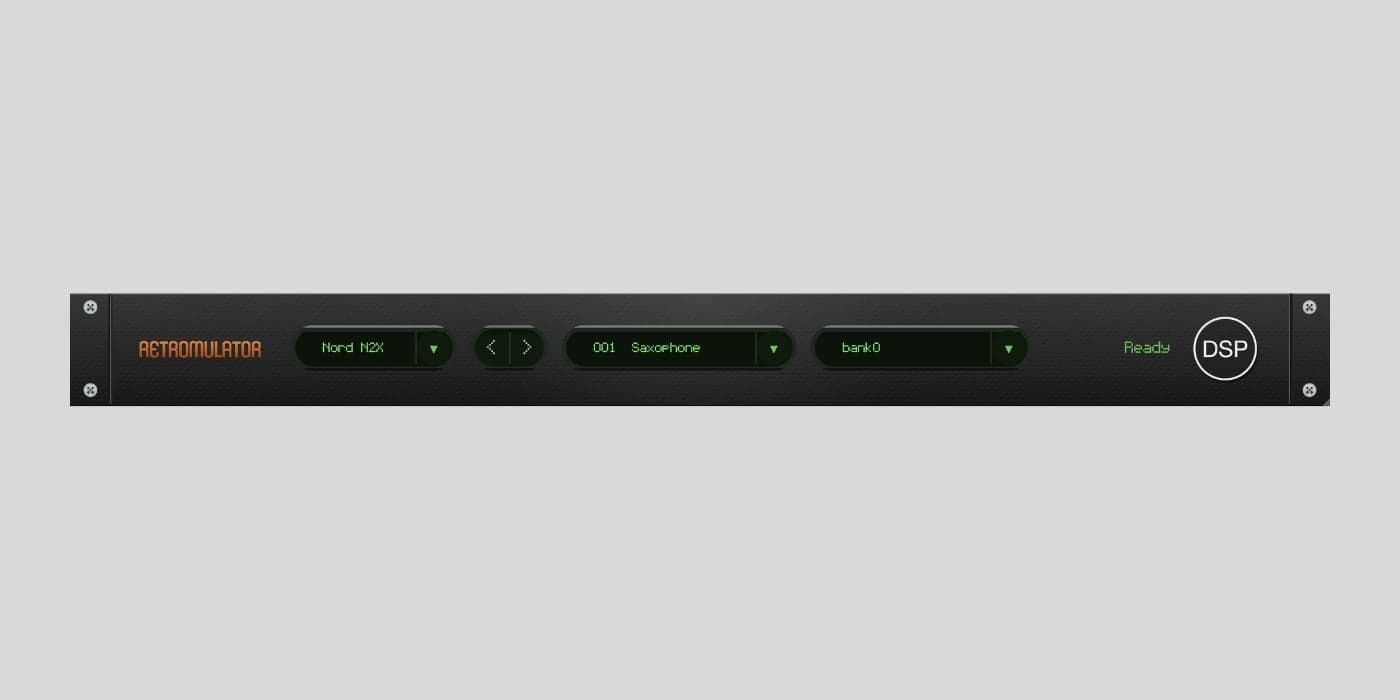
The Usual Suspects built cycle-accurate emulations of the Access Virus, Waldorf MicroQ, Nord Lead 2X, and Roland JP-8000 over years of volunteer work. discoDSP took those cores, wrapped them in a unified rack-style interface, added AAX support and code signing, dropped in a Yamaha DX7 core from a separate open-source project, and shipped the whole thing as Retromulator in early March. The plugin was free. The code was GPL-licensed. The product page credited TUS. And the community still erupted.
A TUS member said on Discord that the release "goes completely against what our open source project stands for." Another, quoted on MatrixSynth, was more direct: "He basically took our source, put his own wrapper on it, and is trying to sell it and use it to promote his own business." Forum threads on KVR, Gearspace, and Synthtopia filled quickly. One commenter called it "just grifting. Not a great look for Disco DSP." Another dismissed the plugin outright: "These guys took someone else's hard work and made an inferior fork, it's not that deep. Lame."
Defenders pushed back just as hard. Retromulator was released under the same GPL v3 license as the original Gearmulator code, they pointed out, with full credit to TUS on the product page. One commenter on the pro-forking side argued that "anyone suggesting that what discoDSP is doing is 'shameful' or 'scammy' is completely uninformed or trolling," adding that reuse of this kind is precisely why developers publish under the GPL in the first place.
discoDSP moved to defuse the situation. The company clarified publicly that Retromulator was free and would remain free, then redirected the plugin's support button to TUS's own donation page. Shortly after, discoDSP donated $1,000 to TUS directly, citing "Retromulator's recent sales success" as the reason. TUS refused the money. According to Bedroom Producers Blog, TUS declined because accepting it would have blurred a line they wanted to keep clear.
That exchange cuts to the heart of the dispute. The complaint against discoDSP was never strictly legal: no source claimed a violation of GPL v3, which explicitly permits this kind of reuse and forking. The grievance was ethical. As Bedroom Producers Blog framed it, the unspoken social contract around volunteer open-source work holds that downstream users give something meaningful back rather than simply repackaging the results. "That's not written into GPL v3 anywhere," BPB noted. "It's a community norm, not a legal one."

Retromulator's technical claims are substantial regardless of the licensing debate. The plugin emulates original integrated circuits at the hardware level, with virtual-analog synths running on a cycle-accurate Motorola DSP 56300. The DX7 implementation runs a full emulation of its Hitachi HD6303R sub-CPU alongside the Yamaha YM21280/YM21290 EGS/OPS chip set, executing the synth's authentic ROM firmware as it ran on the original hardware. Those cores trace back entirely to TUS's Gearmulator project, which also underlies previously covered emulations including OsTIrus, Xenia, and JE-8086.
Some commenters on Synthtopia brought up discoDSP's history with OB-Xd, claiming the company had previously changed that plugin's license from GPL to closed copyright, a move that eventually produced OB-Xf, a fully free fork from the Surge Synth Team. discoDSP has not publicly addressed those historical claims in connection with the Retromulator controversy.
The $1,000 returned to discoDSP's account without resolving anything. As BPB put it: "discoDSP tried to settle what felt like an ethical debt with money. TUS refused because taking it would have blurred a line they wanted to keep clear. But where that line sits seems to depend on who you ask.
Know something we missed? Have a correction or additional information?
Submit a Tip