Free SD-1 plugin brings Ensoniq’s retro wavetable sound to DAWs
Ensoniq’s 1990 SD-1 has a free VST3/AU emulation, joined by a phonogène-style tape delay and Massive’s Scream filter in one nostalgia-rich freeware haul.
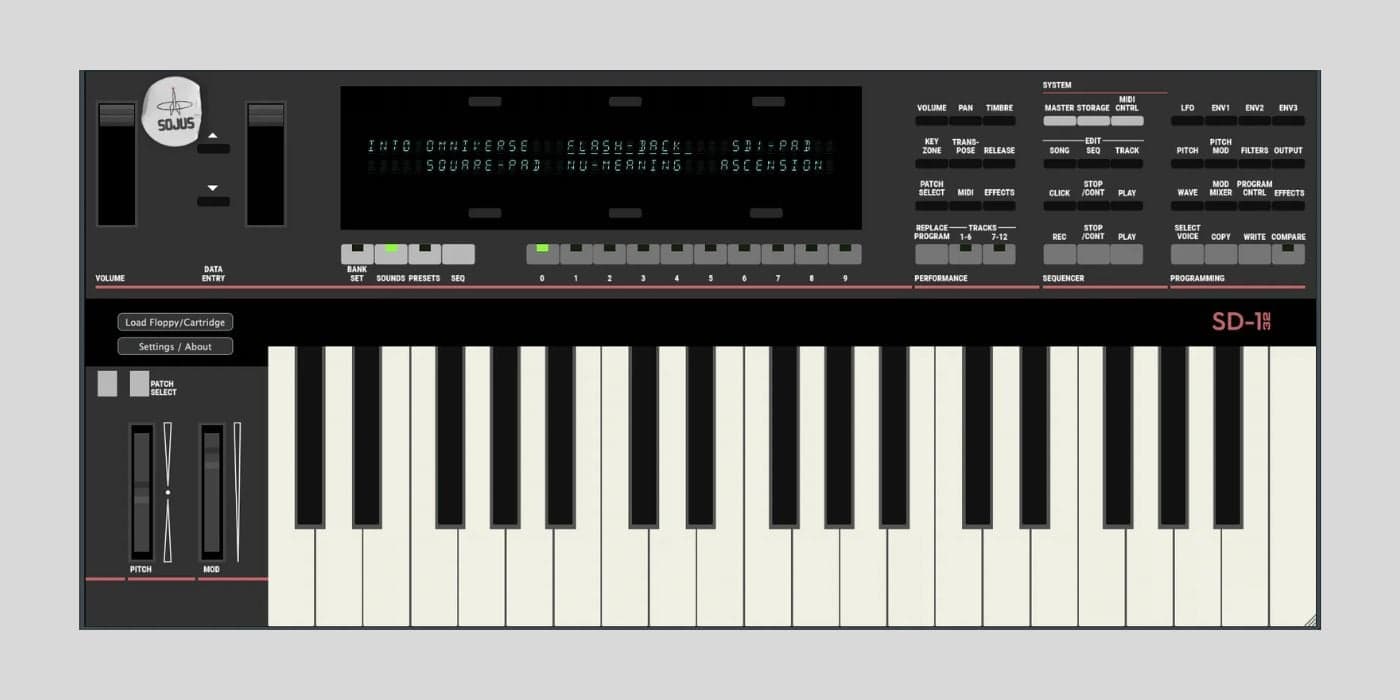
Ensoniq’s SD-1, the 1990 workstation built around Transwave wavetable ideas, has finally turned up as a free plugin, and that is the headline worth stopping for. Sojus Records says its SD-1/32 emulation is a fully featured VST3 and AU version of the MAME-emulated synth, and claims it is the first plugin recreation of the instrument. For players chasing glassy digital pads, evolving wave stacks, and the sort of early-’90s workstation sheen that sat in the same conversation as the PPG Wave and Waldorf Microwave, this is the one to load first.
The original SD-1 carried serious hardware credentials: 32-voice polyphony, 24-part multitimbrality, a 61-key keyboard, a 3.5 MB ROM with 168 waveforms, and the ability to layer up to six waves in a single patch. It also packed dual multi-mode digital filters, three 11-stage envelopes, and a 24-bit dual-effects section with reverb, chorus, flanging, and delay. That makes it a strong fit for classic hybrid patches, brassy digital stacks, and animated motion sounds. It is not a substitute for the physical workstation itself, but as a low-cost way to explore Ensoniq’s layering and wavetable thinking, it lands as a convincing stand-in and a useful piece of inspiration. Sojus Records also removed instance blocking, so multiple copies can run in the same session, which makes the plugin far easier to use than a single hardware box ever was.
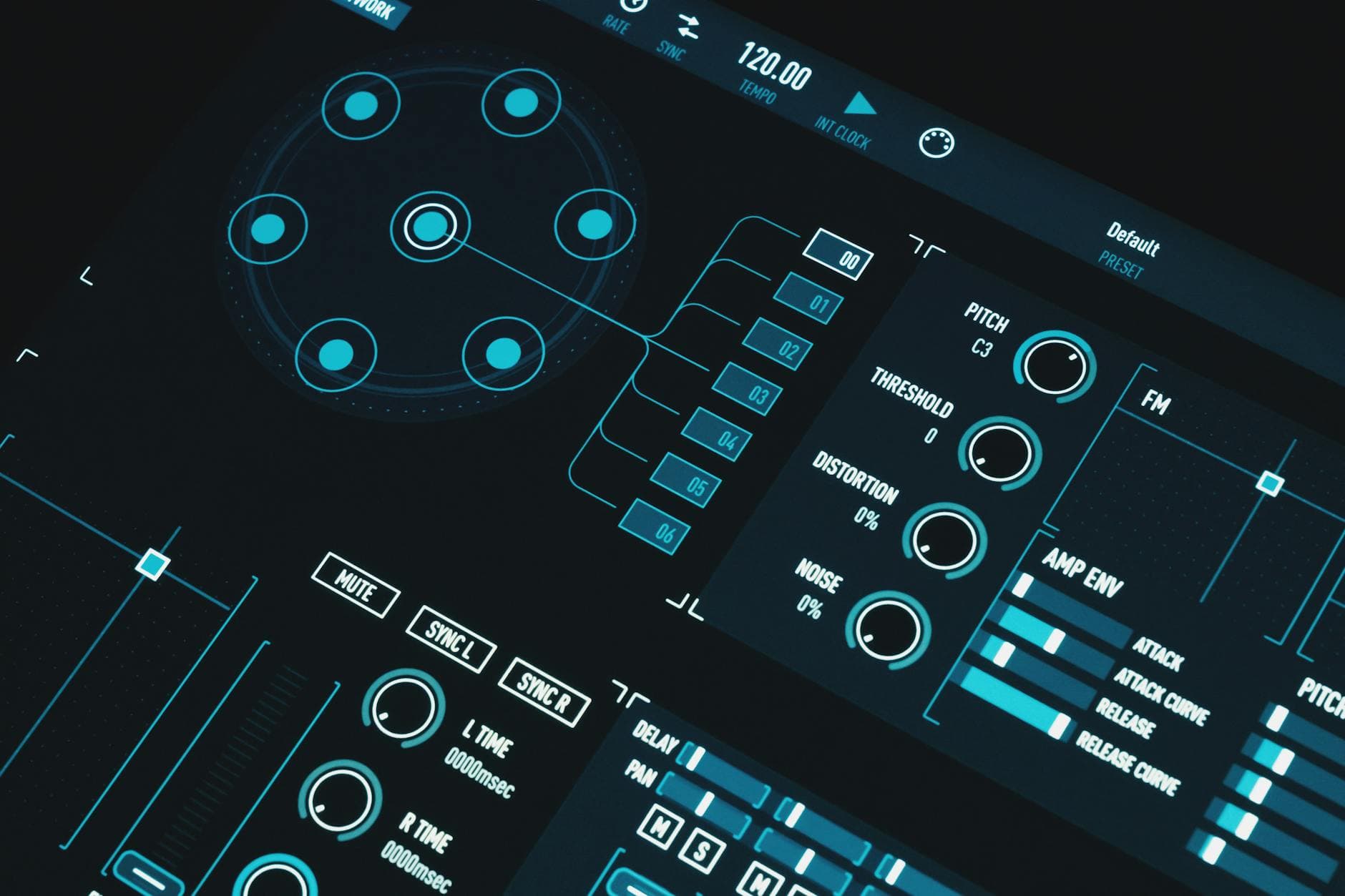
The same roundup also pointed to TugPhonon, a rotating tape delay built around the Poullin and Schaeffer phonogène concept from 1951. That lineage matters. Pierre Schaeffer and Jacques Poullin’s work at GRM Paris helped define early musique concrète, and TugPhonon tries to translate that machinery into software with eight independent playback heads circling a virtual magnetic disk, plus per-head band-pass filtering, feedback, and physical-modelling resonators. If the SD-1 is for Ensoniq chords and digital brass, TugPhonon is for fractured loops, smeared repeats, and tape-manipulation textures. It is less a hardware replacement than a historically rooted sound-design tool, but for anyone chasing electroacoustic tricks without splicing tape, it opens the door fast.
Rounding out the set, Cure Audio’s Scream reaches back to Massive’s famous Scream filter and turns that aggressive distortion character into a standalone effect for any DAW. Native Instruments’ Massive manual identifies Scream as a filter type in the synth’s filter section, which explains why the name still resonates with modern electronic producers. As a free, open-source distortion and filter plugin, it is best understood as a flavor tool, not a vintage hardware stand-in. Use it when a bass needs more bite, a lead needs grit, or a pad needs to break up into something nastier.
Taken together, the three releases show a freeware scene that still knows where the good ideas came from. The SD-1 brings a real piece of Ensoniq history back into reach, TugPhonon revives tape-era experimentation, and Scream keeps one of software synth culture’s most recognizable dirt tones alive inside the box.
Know something we missed? Have a correction or additional information?
Submit a Tip