Prophet-5 vs Prophet-6 vs Rev2, which Sequential synth fits best?
The Prophet name still splits into three clear missions: the reissue for the classic voice, the Prophet-6 for modern playability, and the Rev2 for depth and value.

The Prophet name still starts with the original myth
Dave Smith’s original Prophet-5 is the reason this family still matters. Designed in 1977 and introduced in 1978, it was Sequential says the world’s first fully programmable polyphonic synth and the first musical instrument with an embedded microprocessor. That legacy is not just museum lore, because every modern Prophet still has to answer the same question: do you want the closest thing to that landmark sound, a more immediate modern take on the idea, or a machine that stretches further in the studio and onstage?
Sequential’s own history shows how central that lineage remains. When the Prophet-5 turned 40 in 2018, the company said Dave Smith Instruments would rebrand back to Sequential, a neat reminder that the Prophet story is not a side chapter. It is the spine of the brand. Once you look at the current line that way, the choice gets clearer. These are not interchangeable polysynths with different price tags. They are three different answers to what a Prophet should do in a setup.
If you want the canonical Sequential sound, start with the Prophet-5
The reissued Prophet-5 is the one to choose when the reference point itself is the goal. Sequential says it faithfully reproduces the vintage sound and features of all three original revisions, and that matters if your mental image of a Prophet is tied to the classic records, the original front panel, and the feel of a landmark instrument rather than a modern reinterpretation.
The voice architecture tells the story. Sequential says the new Prophet-5 uses original Curtis VCOs and filters as used in the Prophet-5 Rev3, plus the Dave Rossum-designed SSI 2140 filter as the modern counterpart to the original SSM 2040 used in Rev1 and Rev2. In other words, the reissue is built to embody the whole lineage, not just one revision. That gives it a special kind of ownership logic too: you are buying the closest current Sequential machine to the historical icon, with the sound and identity that made the Prophet name legendary in the first place.
The practical consequence is simple. If your setup is about classic polyphonic synth tones, finished recordings, and the emotional pull of the original machine, the Prophet-5 is the obvious gravitational center. It is the model that makes sense when heritage is not a bonus feature but the whole point.
If you want that lineage with a more immediate modern instrument, the Prophet-6 is the bridge
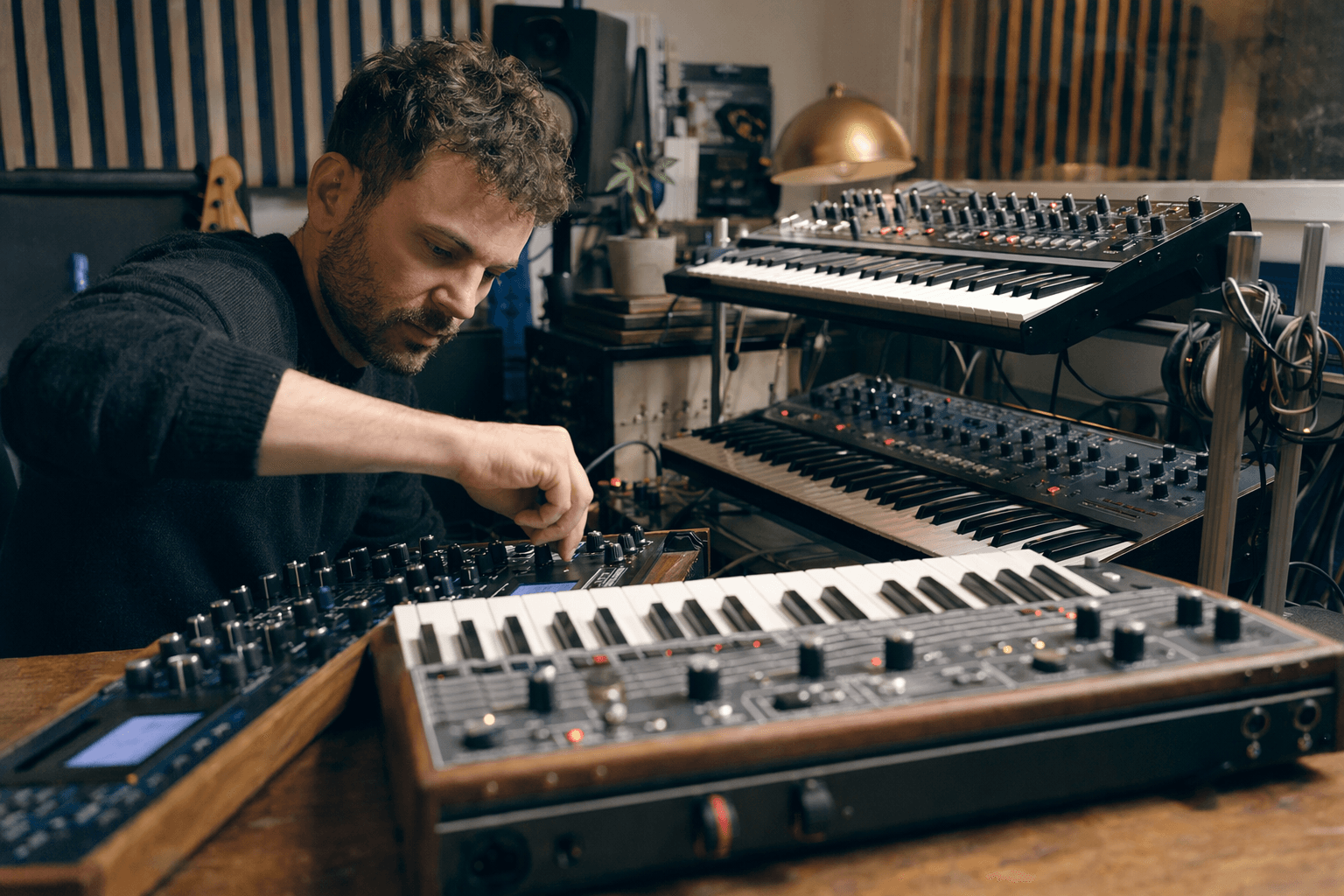
The Prophet-6 feels like Sequential asking what happens when you preserve the Prophet idea and strip away the friction. It launched at NAMM 2015, shipped in May 2015, and carried a MAP of $2,799 USD. Sequential describes it as Dave Smith’s vision of the quintessential analog synthesizer, a 6-voice polyphonic analog synth that combines classic tone with a modern design.
Its tonal design is where the heritage shows most clearly. Sequential says it uses two discrete filters per voice, including a four-pole, resonant low-pass inspired by the original Prophet-5 and a two-pole, resonant high-pass. That means the Prophet-6 is not trying to pretend it is a vintage restoration. It is built as a contemporary performance instrument that knows exactly where its family comes from.
For players, that changes the day-to-day experience. The Prophet-6 makes sense if you want the Sequential sound in a box that feels more direct and less archaeologically precious than a reissue. You still get the family voice, but the machine is framed as a modern standard, not a historical artifact. That can matter a lot in a working setup where you want dependable analog character without treating every session like a pilgrimage.
If you need flexibility, splits, layers, and more synth for the money, the Rev2 takes the lead
The Prophet Rev2 comes at the problem from a different angle. Sequential describes it as Dave Smith’s reimagining of the Prophet ’08, and that already tells you where it sits in the family tree. It is the practical, feature-rich descendant, available in 8-voice and 16-voice versions, and it is the only bi-timbral Prophet in the current family.
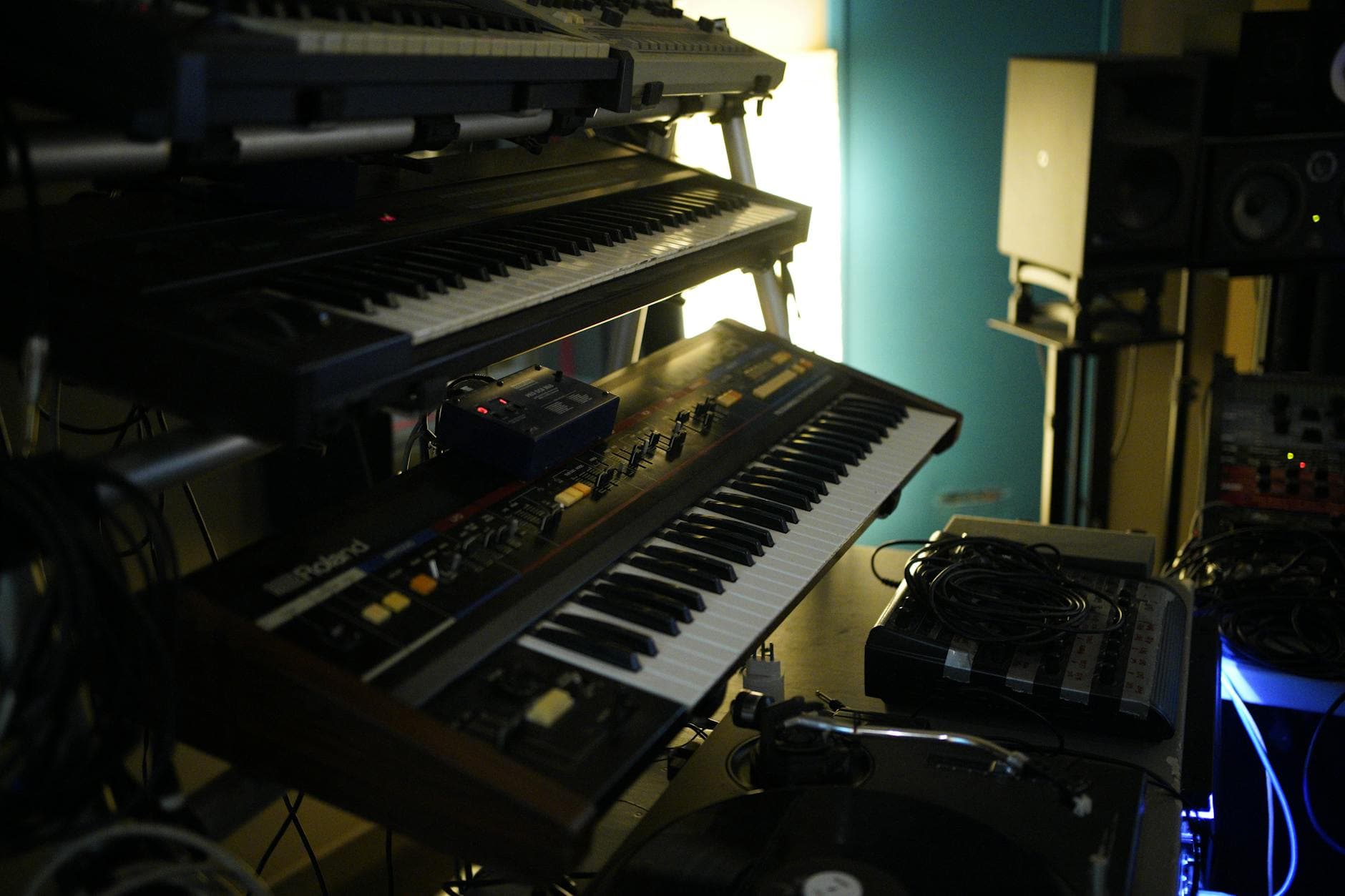
That bi-timbral design is the big workflow shift. The Rev2 can stack or split two completely independent sounds, which means one keyboard can cover a lot more ground in a live rig or a production setup. Sequential says it doubles the polyphony of the Prophet ’08 and doubles the mod matrix, while also adding waveshape modulation on all waveforms, digital effects per layer in stacked or split voice mode, and a polyphonic step sequencer per layer. Those are not cosmetic extras. They are the features that let one synth behave like several tools at once.
For a player building a flexible setup, that translates into less menu-juggling across multiple instruments and more freedom inside one chassis. The Rev2 is the strongest fit if your priority is modulation depth, multi-part performances, and feature density per dollar. It is also the model most likely to make practical sense long after the honeymoon phase, because it gives you room to grow into more elaborate patches and split-layer arrangements without immediately needing another keyboard.
So which Prophet belongs in your setup?
The answer depends on what you want ownership to feel like. The Prophet-5 is the one for chasing the canonical Sequential sound and the historical weight that still defines the name. The Prophet-6 is the cleanest route if you want that lineage expressed as a modern, highly playable analog instrument. The Rev2 is the smartest choice if your setup rewards bi-timbral tricks, bigger modulation options, and the kind of flexibility that keeps one synth relevant across multiple jobs.
Seen that way, the line does not read like a contest between better and worse. It reads like a family with distinct roles, each one anchored in a different relationship to Dave Smith’s original breakthrough. The Prophet-5 still stands at the center of the story, because that 1977 design, introduced in 1978, created the template. But the real strength of the modern Sequential lineup is that it lets you decide how close to that original spark you want to live, and how much practical range you want to carry with you every day.
Know something we missed? Have a correction or additional information?
Submit a Tip