How California became the heart of vintage synthesizer innovation
California fused studio demand, engineering talent, and risk-taking into synth classics like the Prophet-5 and OB-series, and collectors still pay for that provenance.
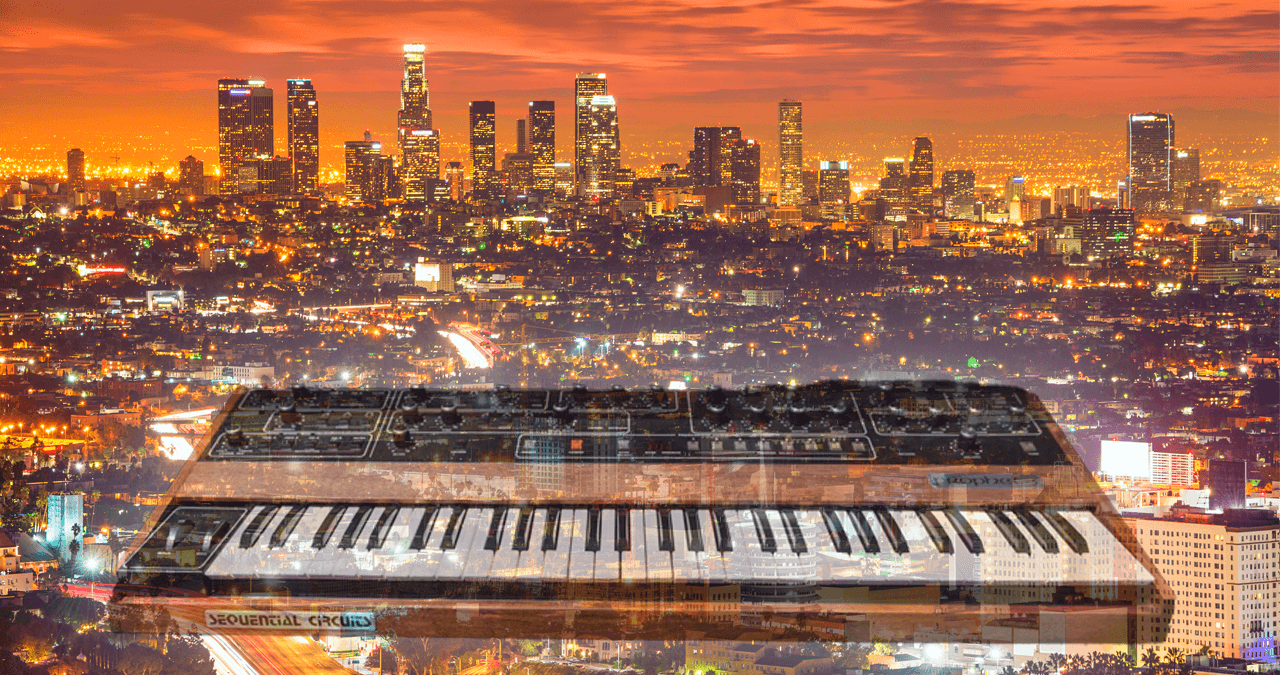
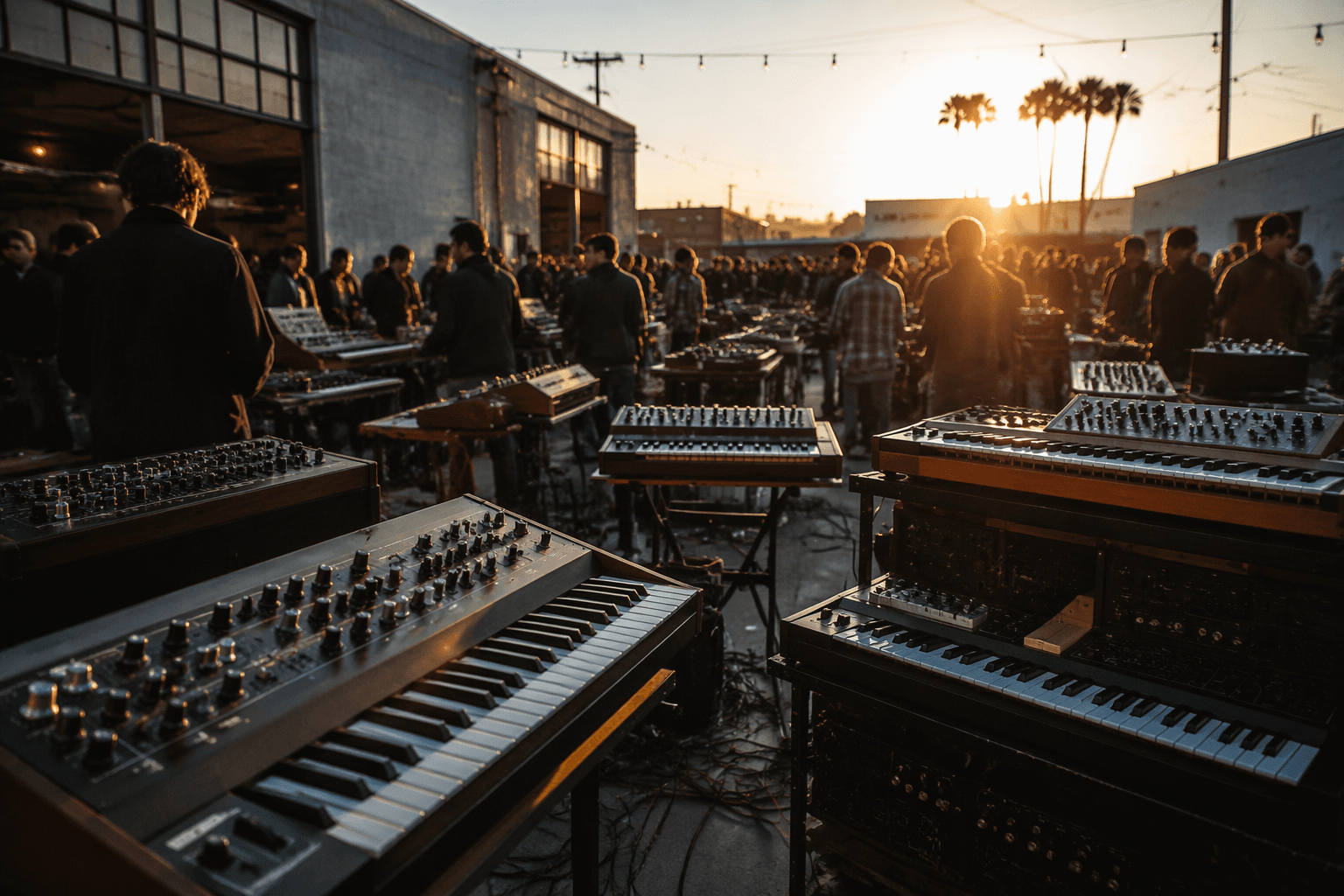
A Prophet-5, an Oberheim SEM, or an OB-series machine points back to California, where Los Angeles studio demand met Bay Area engineering culture and turned prototypes into standards. Working musicians, film and TV production, and electronics talent collided there fast enough to make the state's synth legacy bigger than a mailing address.
Southern California's studio machine
Los Angeles was ready for synthesizers long before they became collector objects. A Los Angeles Department of City Planning historic context report places industrial properties tied to the entertainment industry in the city's development from 1908 to 1980. By the time synth makers were looking for real-world users, Southern California already had the studio network, session culture, and entertainment infrastructure to test instruments under pressure.
That mattered in practical terms. Builders in Los Angeles and nearby Santa Monica could put new gear in front of film and television professionals, session players, and demo-room musicians who cared less about theory than about whether a panel made sense at speed. California's reputation for a "freedom of thought" fed that environment, and it helped make experimentation feel like a working method instead of a lab exercise.
The Bay Area's engineering advantage
Northern California brought a different force: engineering culture with startup energy. Don Buchla's pioneering work began San Francisco's synth development story, and later advances by Dave Smith extended it into the modern era. That is the West Coast contrast that still matters today: instruments designed around immediacy, tactile control, and musicians who wanted to play rather than decode a menu of abstractions.
Dave Smith's own path is central to that shift. Sequential Circuits was founded in 1974 in San Jose, California, by Dave Smith, who was born in San Francisco. The Prophet-5 followed as the first fully programmable polyphonic synthesizer, giving players a way to recall and reuse polyphony on stage or in the studio.
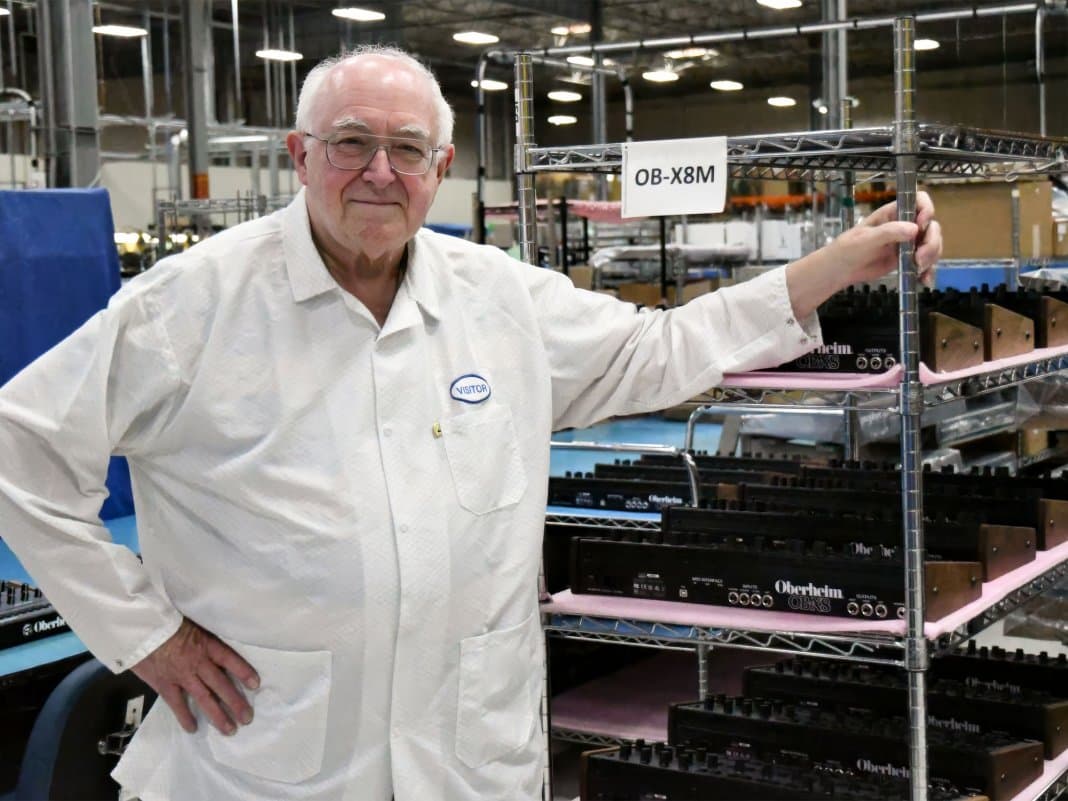
Tom Oberheim's work grew from the same California overlap between invention and musicianship. Tom Oberheim, an American inventor, instrument designer, and electronic music pioneer, was recorded for a Computer History Museum oral history in San Francisco on October 29, 2012; it was published in 2015. His SEM, introduced in 1974, and the Two Voice, introduced in 1975, pushed the idea of modular, musician-friendly building blocks that could scale into larger instruments.
The California design language collectors still chase
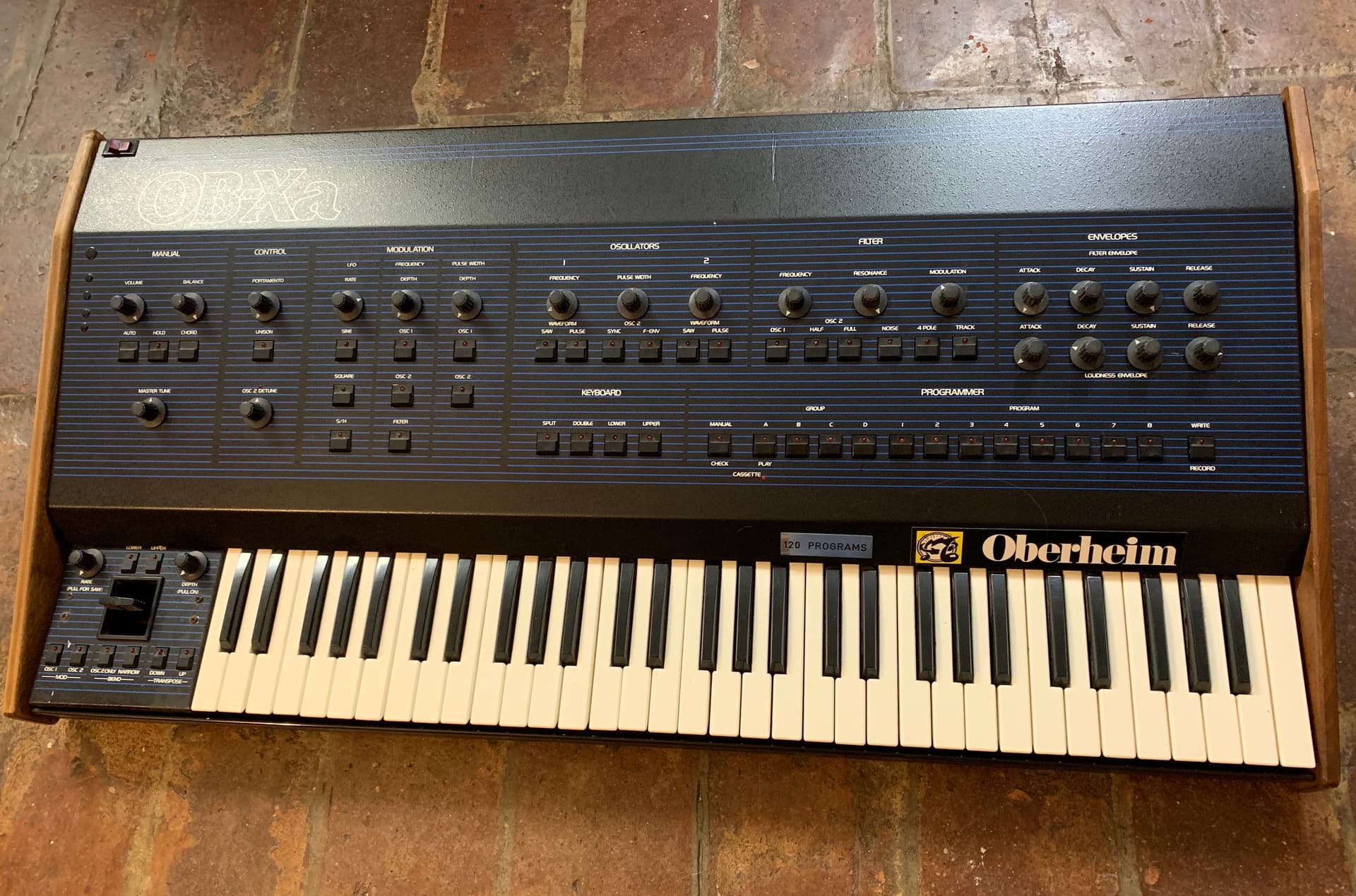
What unites these instruments is not just geography, but the way California builders solved player problems. The SEM and Two Voice made expandable systems feel accessible. The Prophet-5 made programmable polyphony practical. The OB-series became one of the first and best-known vintage analog polyphonic synthesizer families, and its appeal still comes from that blend of sonic authority and hands-on design.
Don Buchla's influence helped establish a parallel West Coast approach that did not simply mirror the keyboard-centric logic of other schools of synthesis. The region encouraged interfaces that were tactile, fast, and performance-minded, with strong panel ergonomics and a clear signal path.
For collectors, that design language affects desirability in a very direct way:
- A California origin often means the instrument was built for working musicians, not just research labs.
- Firsts matter, especially the Prophet-5's status as the first fully programmable polyphonic synthesizer.
- Expandable designs like the SEM and Two Voice remain prized because they make technical sense on the bench and musical sense in the room.
- The OB-series keeps its reputation because it sits at the intersection of analog tone, polyphony, and a clear California lineage.
Why the market still pays attention to California provenance
That regional history still shapes how the vintage market behaves. When a synth comes from California, buyers are buying tone and a documented connection to studios, engineers, and a place where the instrument had a real job to do. It also affects practical risk: familiar names, well-known architectures, and widely discussed models are easier to validate against service notes, forum knowledge, and surviving documentation.
The California story also helps explain why certain models stay liquid in the market. The Prophet-5, SEM, Two Voice, and OB-series are not just famous because they sound good. They are famous because they sit in a network of named designers, historic studios, and recognizable control layouts that repair techs and buyers can identify quickly. That makes condition assessment less mysterious and provenance easier to discuss.
The living archive
California's influence is not locked in the past. The Vintage Synthesizer Museum, founded in 2013 by Lance Hill, operates as an interactive museum and electronic music recording studio, making the state's synth history playable instead of theoretical through immediate controls, studio-ready layouts, and machines designed for players who needed results fast.
This article was produced by Prism’s automated news system from verified source data, official records, and press releases, then run through automated quality and moderation checks before publishing. The system is built and supervised by the people who set the standards it runs under. Read our full AI policy.
Did this article answer your question?