How the Oberheim OB-X, OB-Xa, and OB-8 shaped synth history
The OB-X turned the SEM into a playable poly, and the OB-Xa and OB-8 turned that feel into the American synth template collectors still chase.
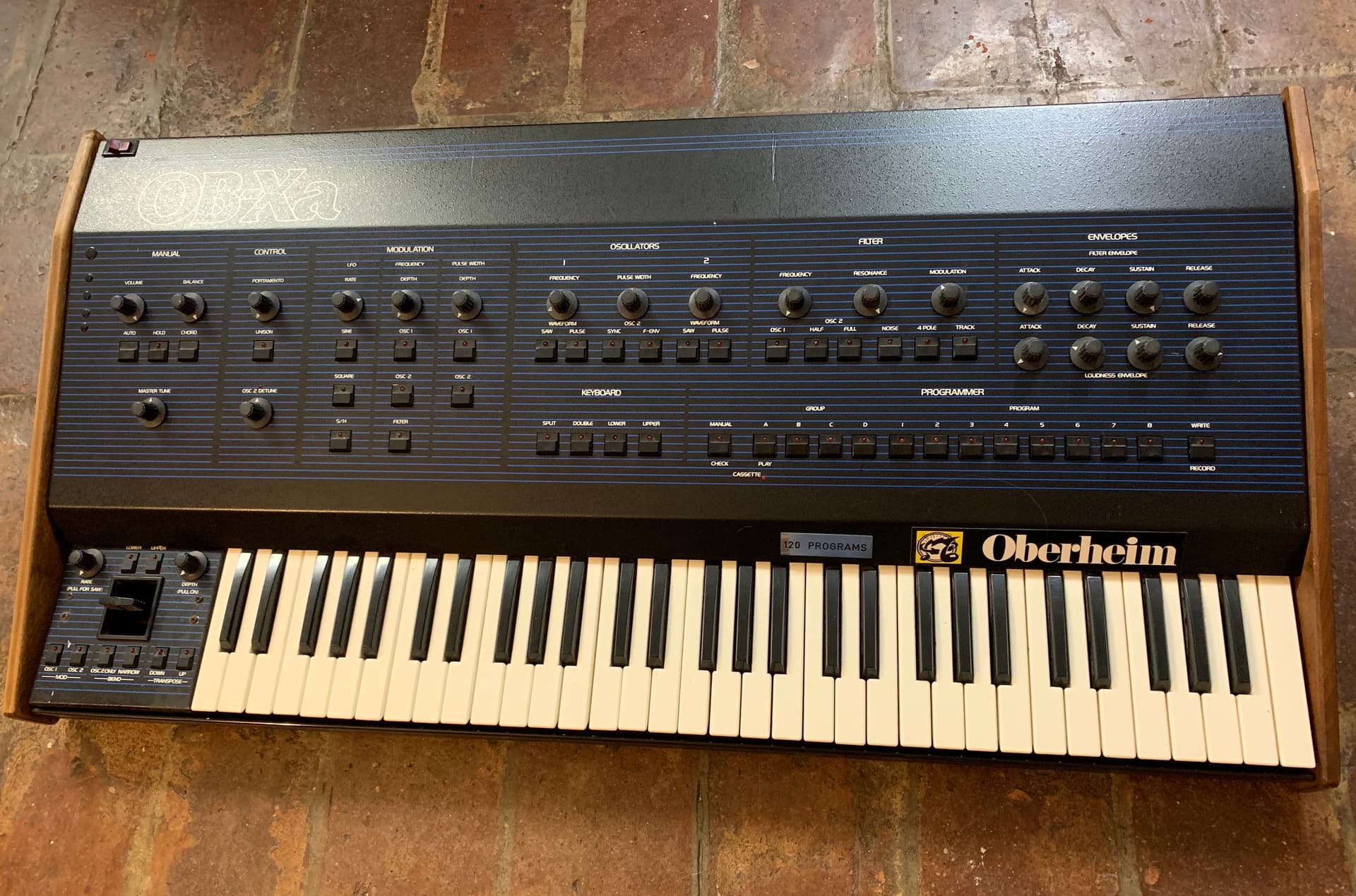
When the OB-X arrived in 1979, it gave players the first big, keyboard-friendly translation of Tom Oberheim’s SEM idea. The OB-Xa tightened the formula, and the OB-8 made it more practical to live with. These three machines still define the line for collectors, restorers, and anyone loading an Oberheim-style plug-in and trying to decide which era they mean.
The design family behind the legend
Tom Oberheim did not arrive with a single lucky product and stop there. His first commercial product was the Music Modulator & RM-1 in 1970, and his own history of the company credits engineers, technicians, and support staff alongside his name. The OB series was not a one-off miracle box; it was the end result of a design culture that had already learned how to build useful instruments around the SEM voice.
The OB-X consolidated the SEM sound into an instrument. The OB family did not just sound big; it packaged a particular Oberheim attitude, lush, immediate, and performance-first, into a format that keyboard players could actually bring to sessions and stages.
The comparison set is part of the story too. Sequential Circuits’ Prophet line gave the era another classic voice, but the OB sound was looser, juicier, and more complex. Roland’s later DCO-based Junos pushed a different idea of stability and consistency, while Oberheim leaned into stacked voices, detuning, and a more organic spread.
OB-X: the first big translation of the SEM
The OB-X is the model that made the language. Its debut sits right at the point where polyphonic synths stopped feeling experimental and started feeling like a serious part of keyboard culture. The sound people chase is that early, luxuriant American poly character, the one that seems to bloom around the note instead of pinning it down.
That character is why the OB-X keeps showing up in the same conversation as records and parts that defined late-70s and early-80s keyboard culture. The OB name keeps turning up next to Van Halen’s “Jump,” Prince’s “1999,” and Rod Stewart’s “Young Turks,” while the OB-X is tied to Killing Joke’s run of albums from 1980 through about 1986, including Nighttime and Brighter Than a Thousand Suns.
For a collector, that sound has a cost. The OB-X is the most romantic version of the family, but it is also the one where age shows up quickest in voice cards, calibration, and power handling. If you are buying one, you are buying the aura and the maintenance plan together.
OB-Xa: the canonical refinement
The OB-Xa arrived as the successor in the early 1980s, and the important thing about it is not that it abandoned the OB voice, but that it clarified it. Production got streamlined, the instrument became more standardized, and the whole machine moved toward the version of Oberheim that most players now hear when they picture an “OB” in a pop or film-scoring context.
The OB-Xa sits between nostalgia and practicality. OB-Xa voice-card calibration and service work fill repair videos. This is still a vintage analog machine, but it has a clear service path, a recognizable parts story, and a body of player knowledge around keeping it in tune and on spec.
Its cultural footprint follows that same logic. The OB-Xa is the model most often treated as the era-defining pop poly, the one people reach for when they want the classic Oberheim sheen without the slightly unrulier first-generation feel.
OB-8: the polish and the workflow upgrade
By the time the OB-8 arrived in 1983, Oberheim had pushed the family toward more polish and better performance workflow. The OB-8 added memory improvements, and that changes ownership in a very real way. A synth that recalls sounds more reliably and behaves more predictably on stage is a different machine from one that demands you treat every patch as a fresh negotiation.
The hardware reality still matters, though. A 2016 OB-X repair video called out memory-retention issues, rebuilt power supplies, and the dangers of old tantalum capacitors. The OB-8 may be the most stage-minded of the classic trio, but the old electronics under the hood still need the same respect as any other late-century analog flagship.
Which Oberheim era you actually want
- The OB-X is for the earliest, most luxuriant SEM-to-poly translation, the one that feels alive and a little unruly.
- The OB-Xa is for the refined canonical Oberheim sound, the version that most clearly became the studio reference.
- The OB-8 is for the player who wants the same family voice with better memory and a more practical workflow.
If you are buying hardware, restoring one, or loading an emulation, the choice is less about abstract prestige and more about personality.
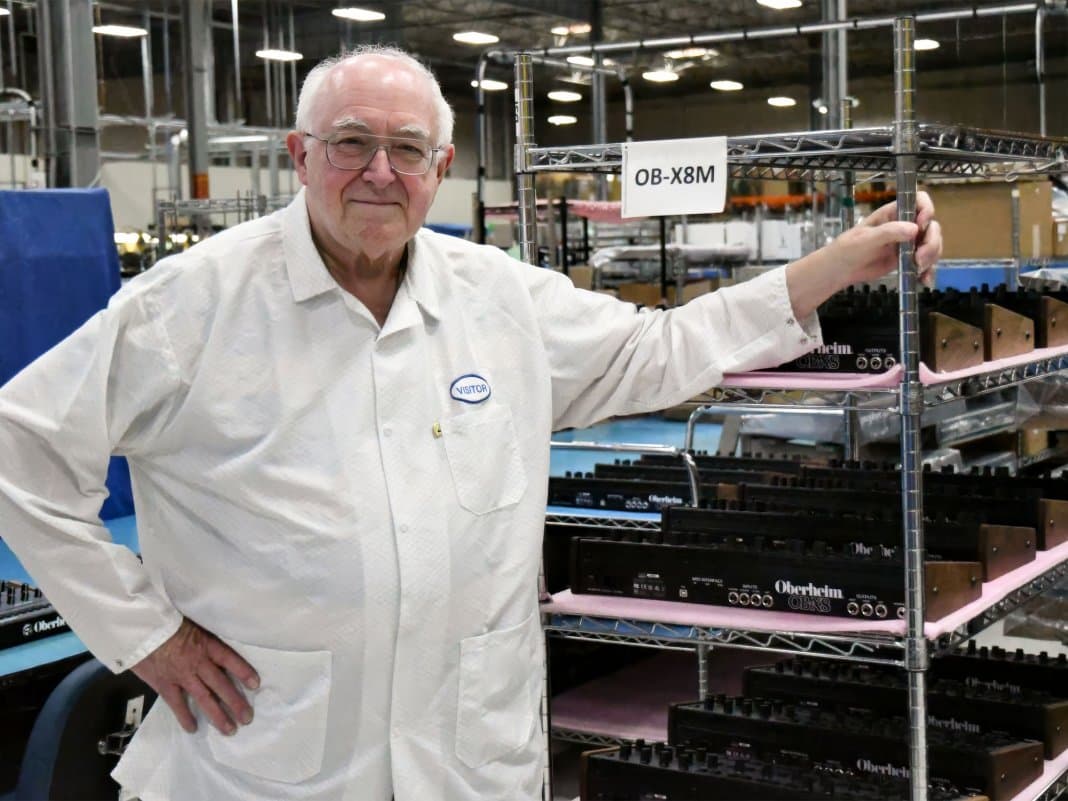
In 2022, Oberheim announced that it had begun shipping the OB-X8 from San Francisco. It called the instrument the first new Oberheim analog synth in more than 40 years and said it combined the classic sound and key features of the OB-X, OB-Xa, and OB-8, including all of the original presets that gave those classics their signature character.
This article was produced by Prism’s automated news system from verified source data, official records, and press releases, then run through automated quality and moderation checks before publishing. The system is built and supervised by the people who set the standards it runs under. Read our full AI policy.
Did this article answer your question?