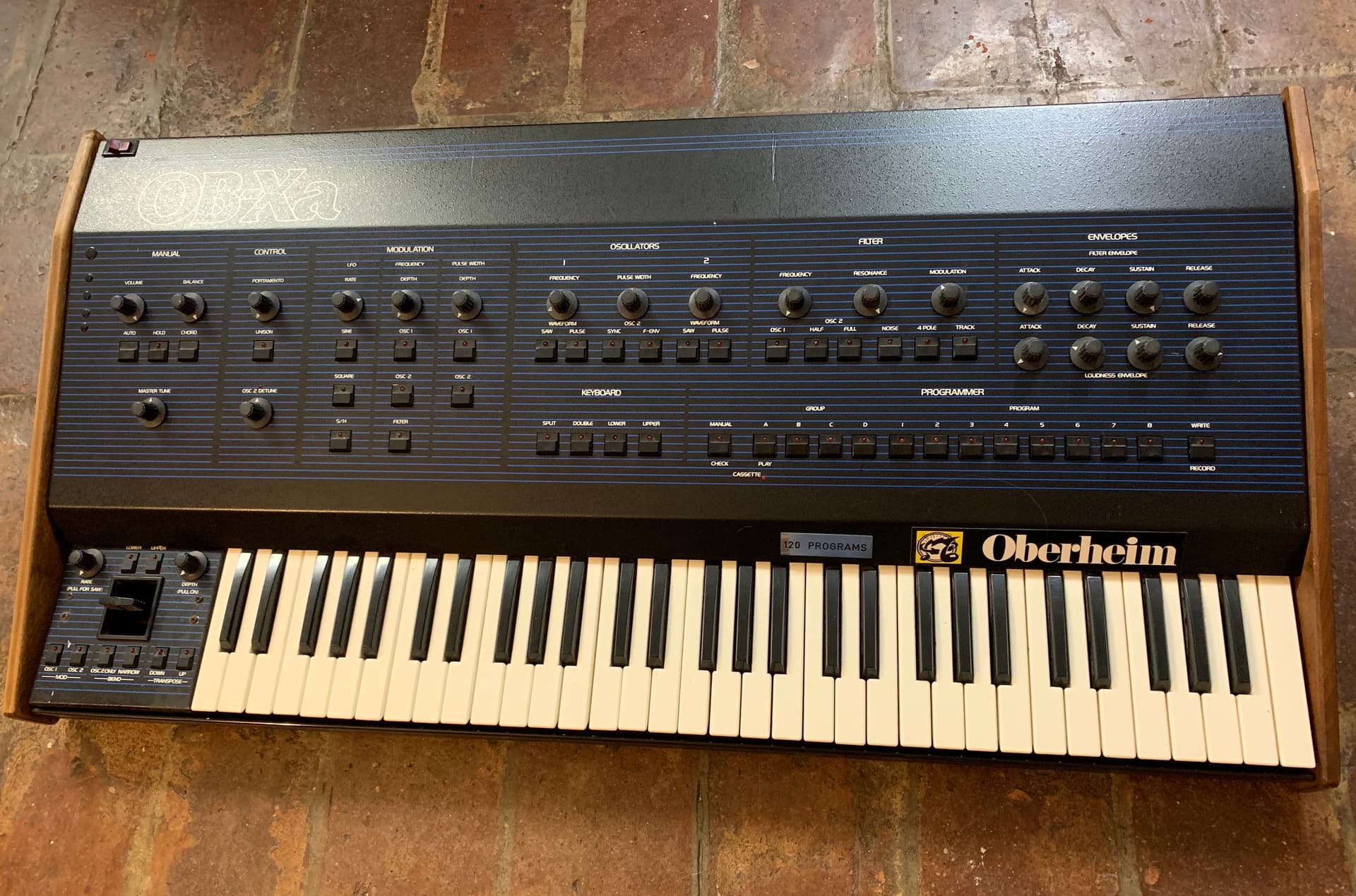
How MIDI made vintage synthesizers modern and playable together
MIDI turned vintage synths into studio tools again, from the Prophet-600’s built-in implementation to Juno-60 converter rigs that still make sense on a modern desk.
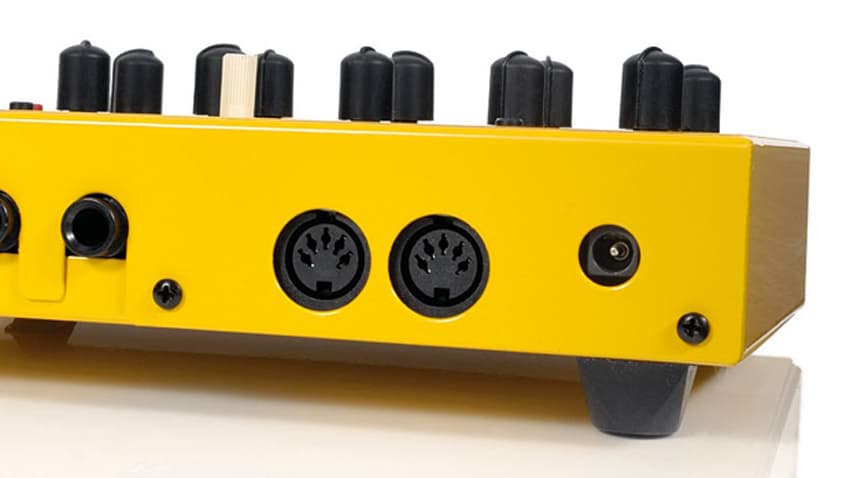
At the January 1983 Winter NAMM Show in Los Angeles, a Sequential Circuits Prophet-600 and a Roland Jupiter-6 spoke over a five-pin cable. MIDI did not make vintage synthesizers sound newer. It made them usable together. A 1970s or 1980s keyboard that once lived in isolation could suddenly be sequenced, synced, and folded into a single rig with newer gear, all through a 5-pin DIN cable and a control language that carried notes, velocity, program changes, clock, and performance data.
What MIDI changed for owners
MIDI is not audio. It is a digital language for control, and that distinction is why it mattered so much in vintage-synth culture. MIDI.org dates the standard’s development to 1981 to 1983; the MIDI 1.0 specification was released in 1983, and the protocol ran over a serial interface at 31.25 kbit/s. That speed was enough for event data, but not a magic fix for every timing or automation problem, which is why the classic debate about “feel” never went away.
The practical payoff was huge. Once one synth could talk to another, brands stopped acting like separate islands. A mixed-brand setup could behave like one system instead of a pile of incompatible instruments. For owners, that meant a vintage poly could sit next to a modern DAW, a drum machine, or a modular converter and still earn its place on the desk.
The Prophet-600 and the first public handshake
The Prophet-600 anchored MIDI’s arrival. It put rival companies’ instruments on display speaking the same language, not in a lab.
The Prophet-600 was also the first commercially available synthesizer with built-in MIDI. Sequential began shipping it in December 1983, and it stayed in production until 1985.
Later software revisions added polyphonic MIDI implementation and up to 100 memory patches.
Why MIDI kept vintage synths in working studios
Vintage analog gear without MIDI can still be played today, but the workflow is different. A monosynth without MIDI usually needs its original keyboard or a CV/gate retrofit, while a MIDI-equipped polysynth can lock to a sequencer, follow a clock, and sit inside a modern production setup with far less friction.
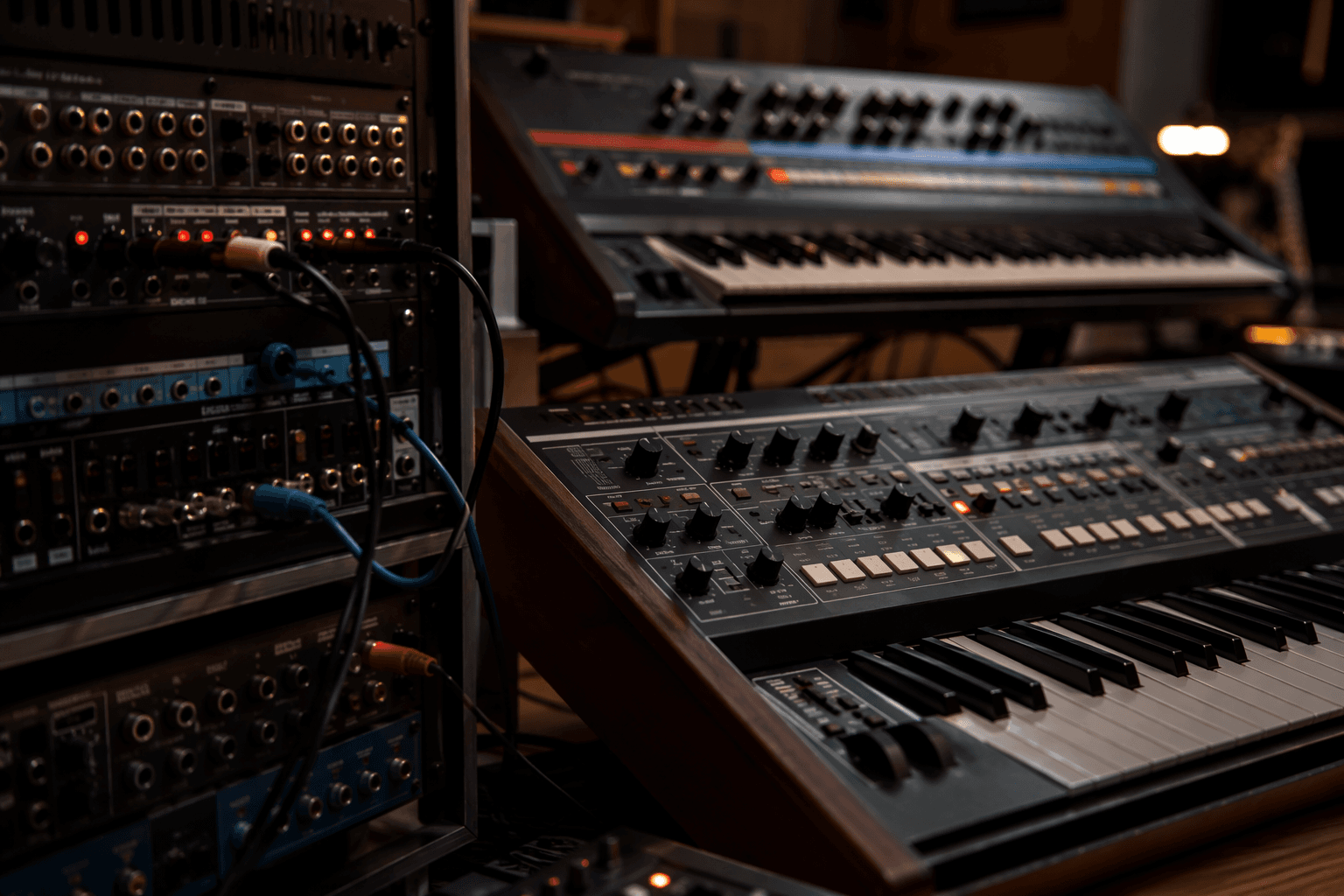
Yamaha’s DX7, released in 1983, helped broaden early adoption, and by the end of that year at least three major manufacturers had embraced MIDI-capable instruments.
The limitation is still part of the story. MIDI preserves control behavior, not tone, and it was designed for events rather than dense, high-resolution automation. That is why a great analog voice still sounds like itself whether it is being played from its own panel or by a sequencer, but the control path determines whether you can actually work with it efficiently.
Retrofits, converters, and the workaround culture
Not every classic came with MIDI baked in, and that gap created an entire ecosystem of retrofit kits and interface boxes. Kenton’s retrofit kits, for example, are used to add MIDI control to instruments such as Sequential’s Pro-One and Prophet 5, letting them be driven from a DAW or MIDI sequencer.
Roland’s Juno-60 is the best-known example of the workaround problem. It is beloved, but it uses DCB rather than native MIDI, so owners often reach for a MIDI-to-DCB bridge instead of cutting into the synth for a permanent kit. Recent listings show the same pattern over and over: Roland MD-8 interface boxes for Juno-60 and Jupiter-8, Kenton Pro DCB converters, and plug-in USB-to-DCB adapters such as Valpower’s Juno-60 interface. These boxes solve the same problem for classic DCB instruments.
A Juno-60 with a documented MIDI path is not just an unmodified collectible, it is a playable instrument with a defined integration route. The same is true for a Jupiter-8 or any other classic that needs MIDI-to-CV or MIDI-to-DCB hardware to become sequenceable.
Collectibility, resale, and whether the classic still makes sense in 2026
MIDI now affects value in two directions at once. For some buyers, built-in MIDI or a clean retrofit increases the appeal because it lowers setup risk and makes the synth easier to use immediately. For others, originality still matters, and a pristine unmodified unit can be the one they want to preserve. The market has room for both, but the deciding factor is often utility: how fast can the instrument join a working rig?
A 2026 listing of a Roland Juno-60 with a Kenton Pro DCB to MIDI converter shows how often the market treats the synth and the converter as a package. Another listing for a Roland MD-8 MIDI DCB interface for Juno 60 and Jupiter 8 shows that the bridge hardware itself has become part of the collectible ecosystem.
This article was produced by Prism’s automated news system from verified source data, official records, and press releases, then run through automated quality and moderation checks before publishing. The system is built and supervised by the people who set the standards it runs under. Read our full AI policy.
Did this article answer your question?