How Gary Numan’s Cars Reveals Classic Synth-Pop Sound Design
Gary Numan's Cars sounds huge because of arrangement, phase movement, and a Minimoog core, not one mythical vintage preset.
The myth to drop
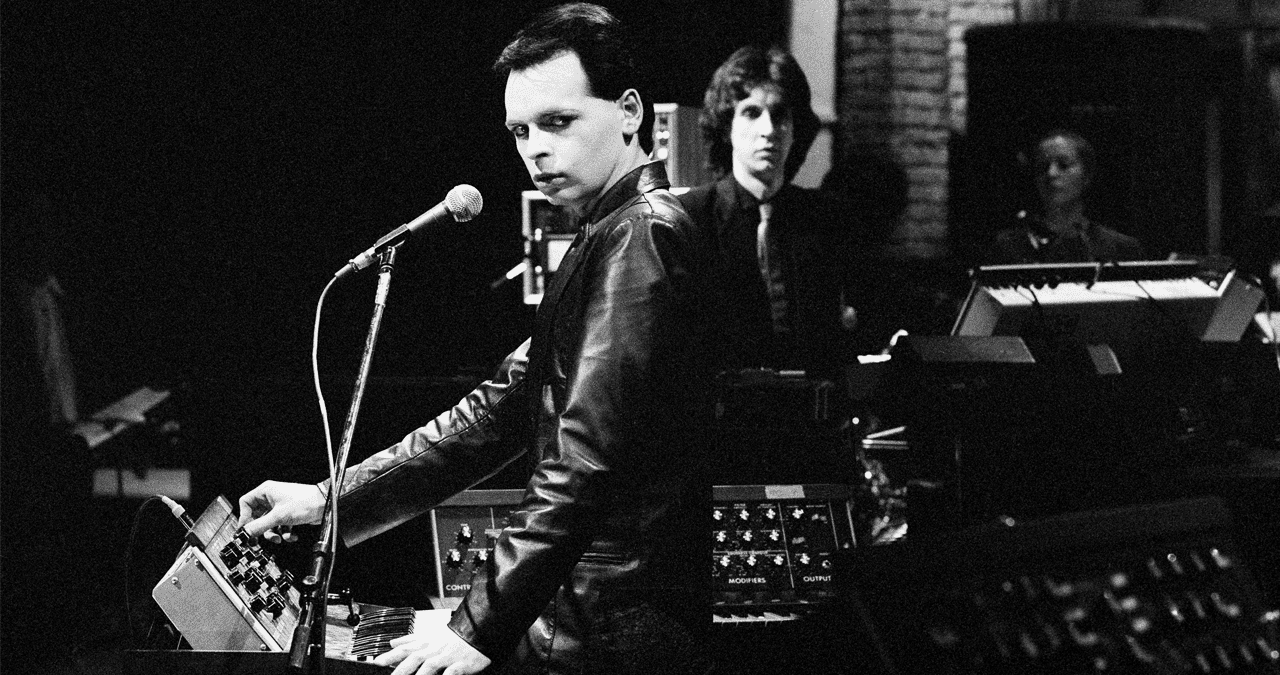
The trick behind Gary Numan’s Cars is not a magical piece of hardware locked in a museum rack. Released on 24 August 1979, it was Numan’s first solo single and the opening statement for The Pleasure Principle, the album that arrived on 7 September 1979 and went to No. 1 in the UK. Official Charts calls it a groundbreaking single that helped change the soundscape of modern music, and that reputation comes from how the track is built, not just what sat in the studio.
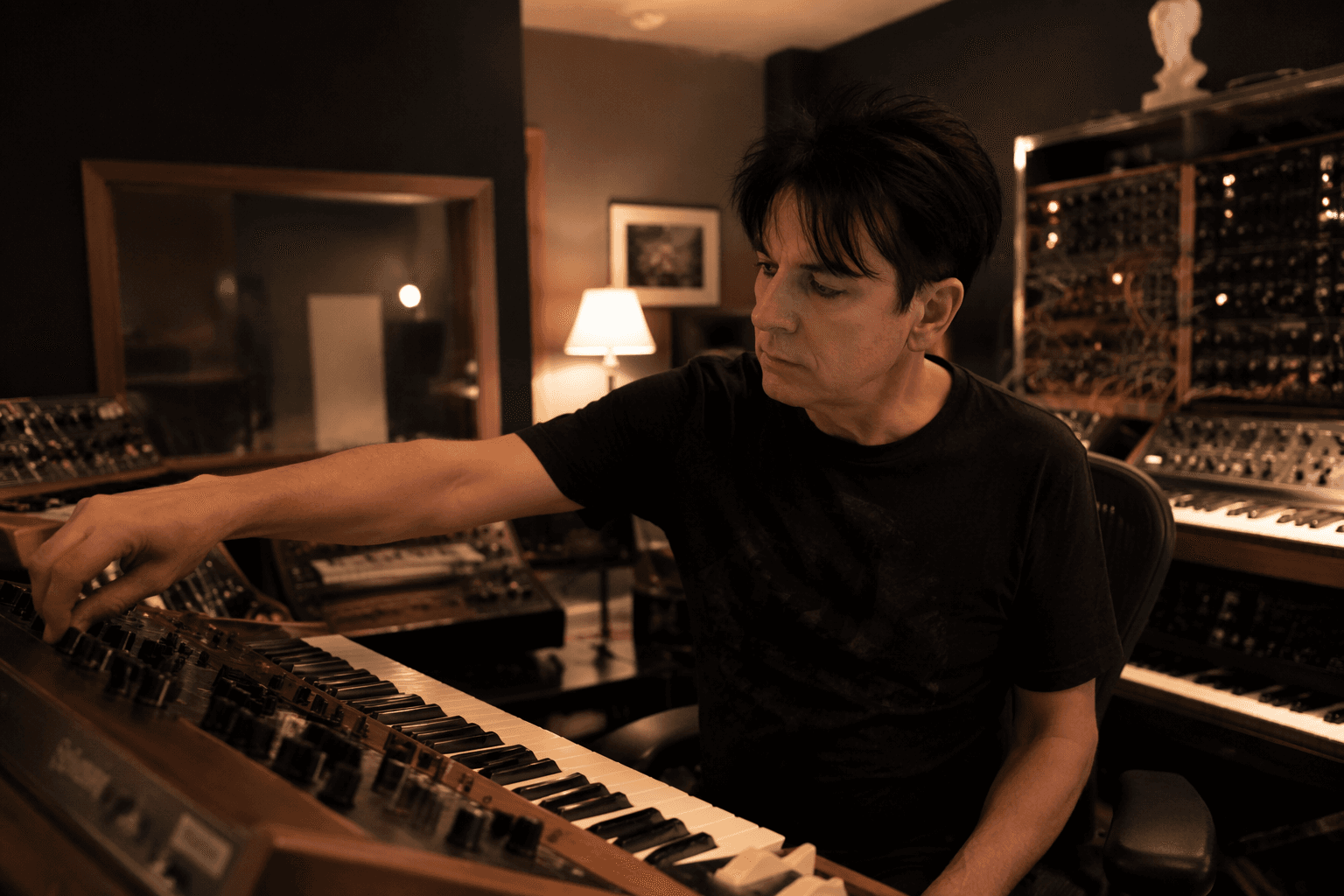
A recent MusicRadar tutorial treats Cars as a practical lesson in synth-pop sound design, which is the right way to hear it. The record rewards anyone who wants to understand how a classic synth-pop sound is assembled from tone, layering, and production choices, then rebuilt on modern gear without pretending the original rig is the only path to the result.
What actually makes the sound
The Pleasure Principle palette centered on the Moog Minimoog Model D for lead melodies and heavy bass. That is the first lesson: the record is anchored by a strong mono voice that can carry the song’s weight without needing a pile of extra parts. MusicRadar has described Numan’s discovery of the Minimoog as a pivotal moment in the birth of synth-pop, and you can hear why the instrument hit so hard in this context. It delivered a low growl that felt immediate, physical, and strangely futuristic.
The movement comes from processing and contrast. Reverb’s breakdown of Numan’s sound points to the MXR Phase 100 as the tool that added sweep, motion, and filter-swept texture. Above that, the Polymoog and its Vox Humana preset supplied the pad and alien-esque melodic color that made the record feel less like a demo of a keyboard and more like a complete sonic world. The famous sound is not one voice doing everything; it is a small set of roles working together.
Gary Numan’s official website still frames him as a pioneer of electronic music whose signature sound combines heavy synthesisers and guitar effects pedals. That detail matters because it explains the attitude behind the record. Cars does not sound precious or self-consciously vintage. It sounds like someone pushing a limited palette hard enough to make it feel bigger than the parts.
How to rebuild it tonight
Start with the foundation: a mono bass on any Minimoog-style synth, hardware or software. If you have a true analog monosynth, begin with a saw or pulse-based tone, keep it tight, and close the filter enough that the attack feels more than it shouts. Use a short envelope, modest resonance, and just enough drive or saturation to give the note that “low growl” character MusicRadar ties to Numan’s Minimoog discovery. The goal is not thickness for its own sake, but a bass that reads instantly on small speakers and still feels authoritative on a bigger system.
If your synth is polyphonic, fake the mono behavior. Turn off spread, stack, and wide stereo tricks. If your software instrument has a ladder-filter model, use it. If it doesn’t, any clean subtractive patch with a fast envelope and restrained low-pass cutoff will get you into the same neighborhood. What matters most is discipline: one voice doing the job cleanly, instead of three voices trying to impersonate a choir.
For the lead, use another Minimoog-style patch or a similarly focused synth lead with a bright top and a controlled midrange. Keep the phrasing clean and leave air between lines. Cars works because the lead does not fight the bass for attention. It sits above the groove like a sharp contour line, which is one reason the song still cuts through a crowded mix so easily.
Then add motion with phase. An MXR Phase 100-style effect, or any phaser with moderate depth and a slow, even sweep, is enough to make the patch feel alive without turning it into a wash. Put the tone in place first, then add the movement. If the phaser becomes the main event, the patch starts sounding like a preset demo instead of a record.
For the atmospheric layer, reach for a Polymoog-inspired pad or a Vox Humana-style approximation if your library has one. Keep it narrow, eerie, and slightly detached from the main hook. A thin pulse or saw pad with a slow attack, limited vibrato, and a restrained filter opening can stand in well on a modern synth. High-pass it if needed so it never steps on the bass. That layer should feel alien, not glossy.
A useful rule of thumb: stop adding effects once the bass and lead are legible on their own. The classic sound is not built from excess. It is built from a few parts with very clear jobs.
Why the record still feels modern
Cars still works because it sits at a hinge point in pop history. It carries the stark force of late-1970s new wave and post-punk, but it also points straight toward the machine-driven pop aesthetics of the 1980s. That bridge is part of the reason the song has lasted so well in synth circles: it shows how a few carefully chosen analog sounds can feel commercial and alien at the same time.
That is the practical lesson for anyone building patches on a budget, or comparing emulations on a laptop after work. You do not need the exact vintage machine to learn the language. You need a clear mono core, a believable phase treatment, a spectral pad, and the restraint to let each layer keep its own shape. Gary Numan’s Cars became a landmark because those choices were made with confidence, and that same logic still turns ordinary gear into a convincing classic synth-pop voice.
This article was produced by Prism’s automated news system from verified source data, official records, and press releases, then run through automated quality and moderation checks before publishing. The system is built and supervised by the people who set the standards it runs under. Read our full AI policy.
Did this article answer your question?