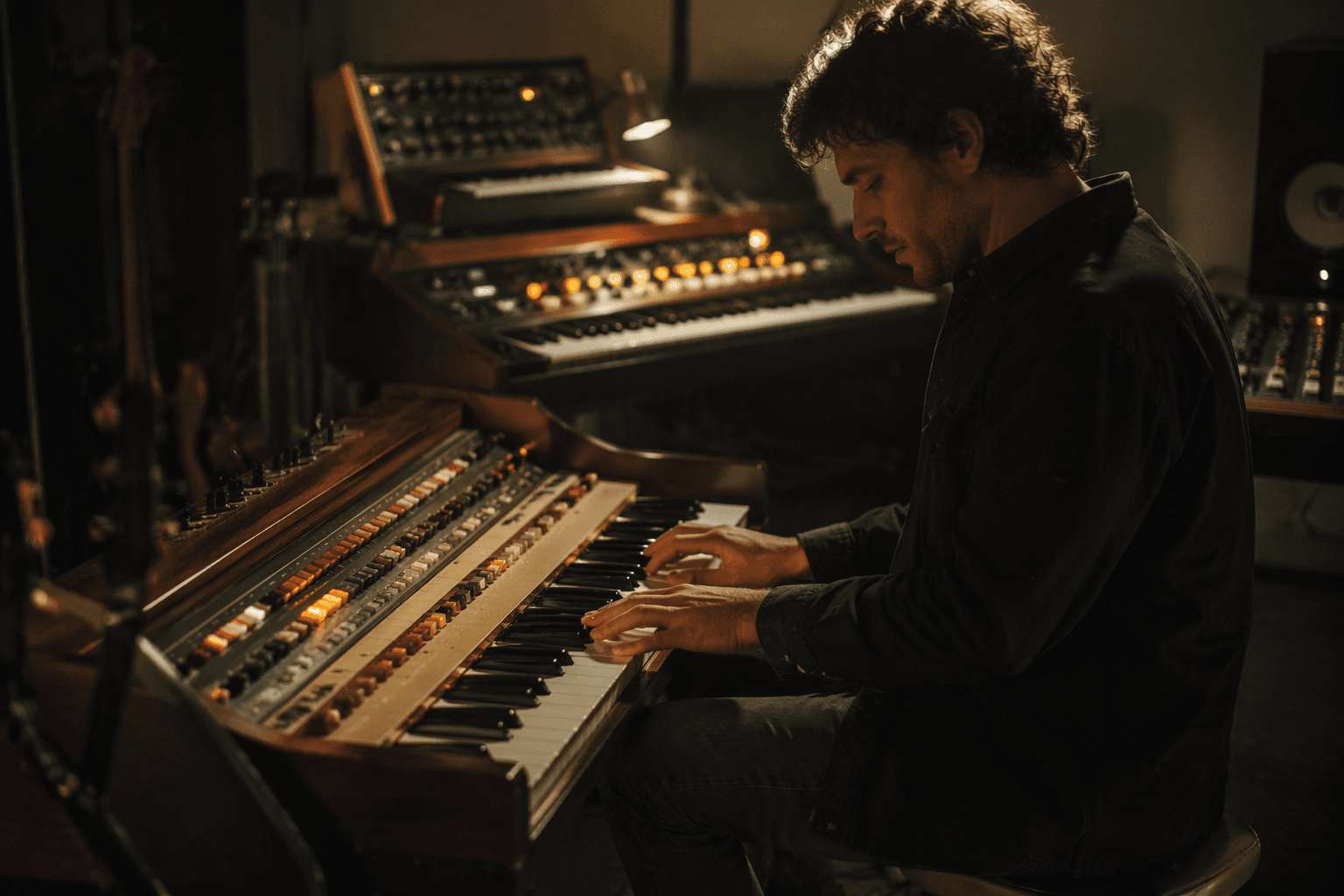
Behringer BMX hits retail, bringing Oberheim DMX-style drum machine to market
The BMX is on retailer shelves at last, forcing a simple choice: buy a $459 DMX-style box now, or keep chasing a vintage Oberheim.
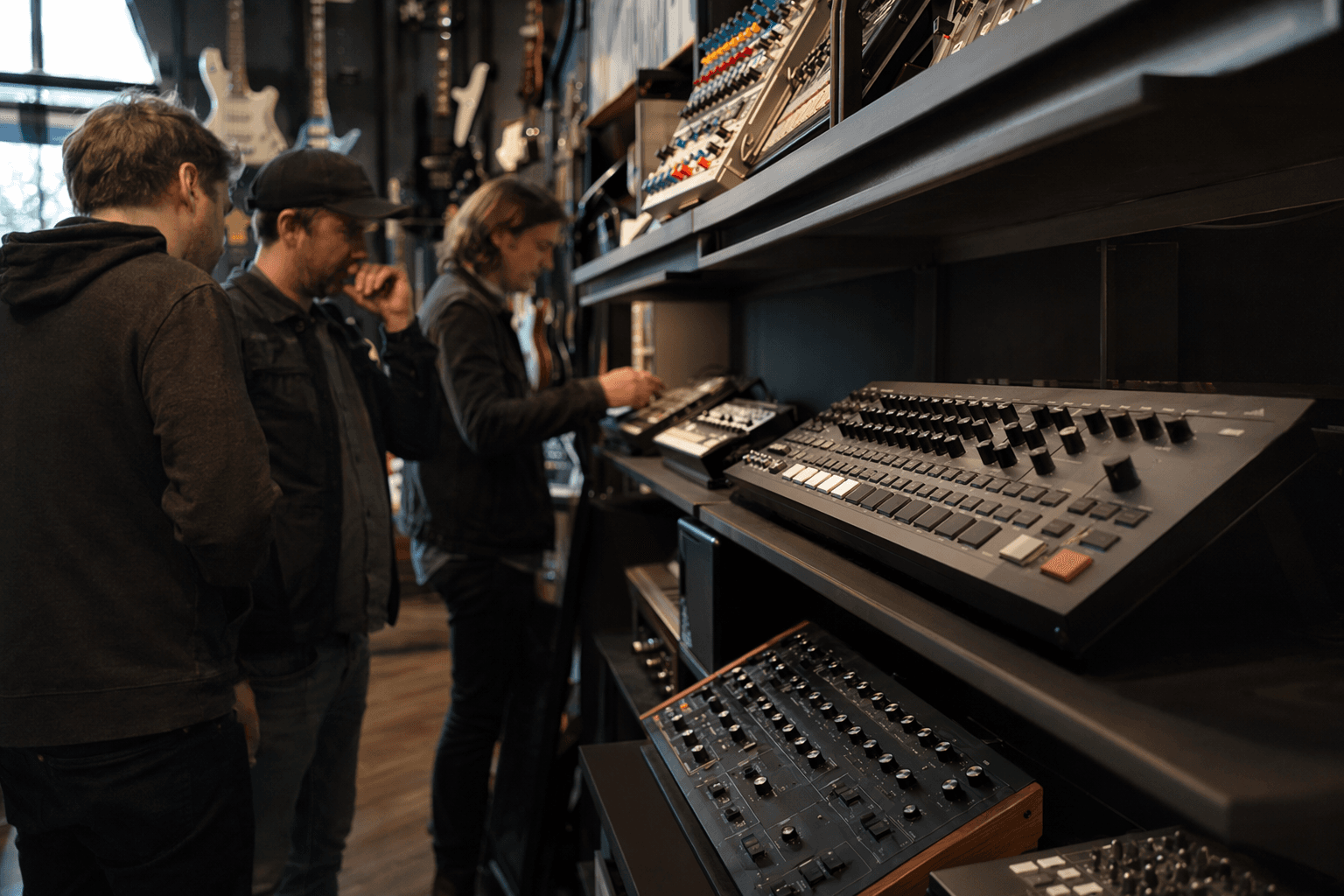
If you want Oberheim DMX-style punch without a restoration project, the Behringer BMX is finally the easy answer. The hybrid sampling drum machine was shown at NAMM 2026 and is now appearing on retailer sites, with Thomann listing it for immediate shipment and Sweetwater putting it at $459 with an estimated August 2026 arrival.
That changes the buying question for vintage-drum-machine fans right away. The original Oberheim DMX, introduced in 1980 or 1981 depending on the source, carried a list price of US$2,895 and landed as the second commercial digital drum machine after the Linn LM-1. It was also part of the sound of records that still sell the myth, from The Police’s “Every Breath You Take” and Madonna’s “Holiday” to New Order’s “Blue Monday.” The BMX is not a museum piece, but it does put that lineage back on a shelf at a price that is far easier to swallow.
Behringer has not just copied the silhouette and called it a day. The BMX uses the same general form factor as the company’s LM Drum, and the spec sheet is built for people who actually plan to play it. It offers eight voices, 8/12-bit D/A converters, variable sampling and low-pass filtering, 24 velocity-sensitive pads, 121 drum samples, a 64-step sequencer with polymeter, storage for eight songs and 192 patterns, plus individual outputs and MIDI and USB sync. An LCD, digital effects, pattern and song modes, note-repeat, track-solo, and real-time triggering make it feel like a modern hardware instrument rather than a nostalgia prop.
That is where the BMX undercuts the original DMX workflow most sharply. Vintage Oberheim hardware still has the name, the history, and the appeal of true period hardware, but it also brings the usual 40-year-old-machine risk: aged parts, service uncertainty, and the cost and downtime that come with making old electronics dependable again. The BMX sidesteps that by being new, in stock, and supported by current retail channels. MusicTech said Behringer had teased the prototype back in March 2023, so this is not a rushed idea, just a long runway finally turning into an actual product.
Buy the BMX now if you want the DMX feel, the classic punch, and a machine you can order without entering the collector lottery. Hold out for vintage hardware only if the original badge, original circuitry, and original workflow matter more than convenience, price, and the certainty that the box will power up when you need it.
This article was produced by Prism’s automated news system from verified source data, official records, and press releases, then run through automated quality and moderation checks before publishing. The system is built and supervised by the people who set the standards it runs under. Read our full AI policy.
Did this article answer your question?