Native Instruments to be acquired by inMusic, Moog joins wider ecosystem
Native Instruments will join inMusic, putting Moog, Akai and NI’s synth software in one house as support and roadmap questions loom for users.
Native Instruments is set to join inMusic, a move that puts some of the most familiar names in modern synth workflows under one corporate roof and raises immediate questions about support, licensing, and the future of the hardware-software bridge that many studios depend on. The companies said they signed a definitive agreement on May 8, 2026, and the deal is expected to close in the coming weeks.
For owners of Komplete, Kontakt-based libraries, Maschine rigs, Traktor systems, and the wider NI plugin stack, the short-term message is stability. Native Instruments said its products, platforms, downloads, and customer service remained available while the transaction moved forward, and the company said its teams would keep building, shipping, and supporting products during the transition. That reassurance matters after a difficult stretch that saw Native Instruments say in March that it was actively seeking new shareholders and that its German entities were moving through expected legal steps, including a shift from preliminary insolvency into formal insolvency proceedings where applicable.
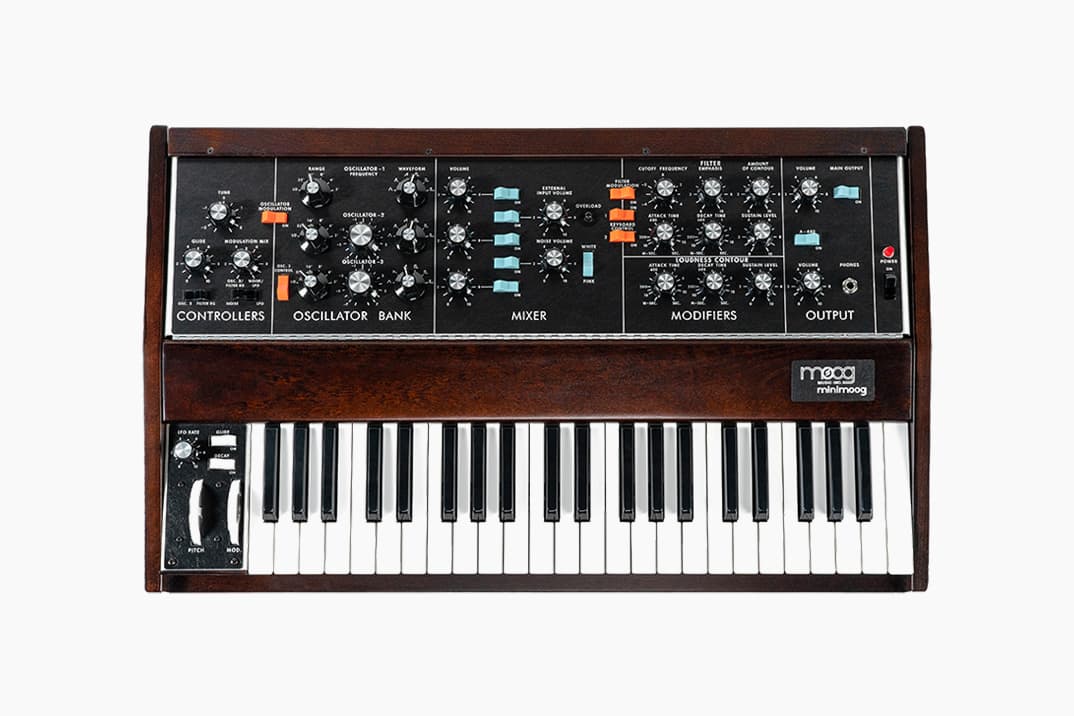
The practical story here goes beyond corporate survival. inMusic said Native Instruments has more than 25 million registered users, and the new owner already sits on a deep bench of hardware brands, including Akai Professional, Moog Music, Denon DJ, Numark, Rane, M-Audio and others. That matters to vintage-synth users because the same company now has a hand in both sides of the classic workflow: controllers, grooveboxes, DJ decks, and the software instruments that model or complement old analog machines.
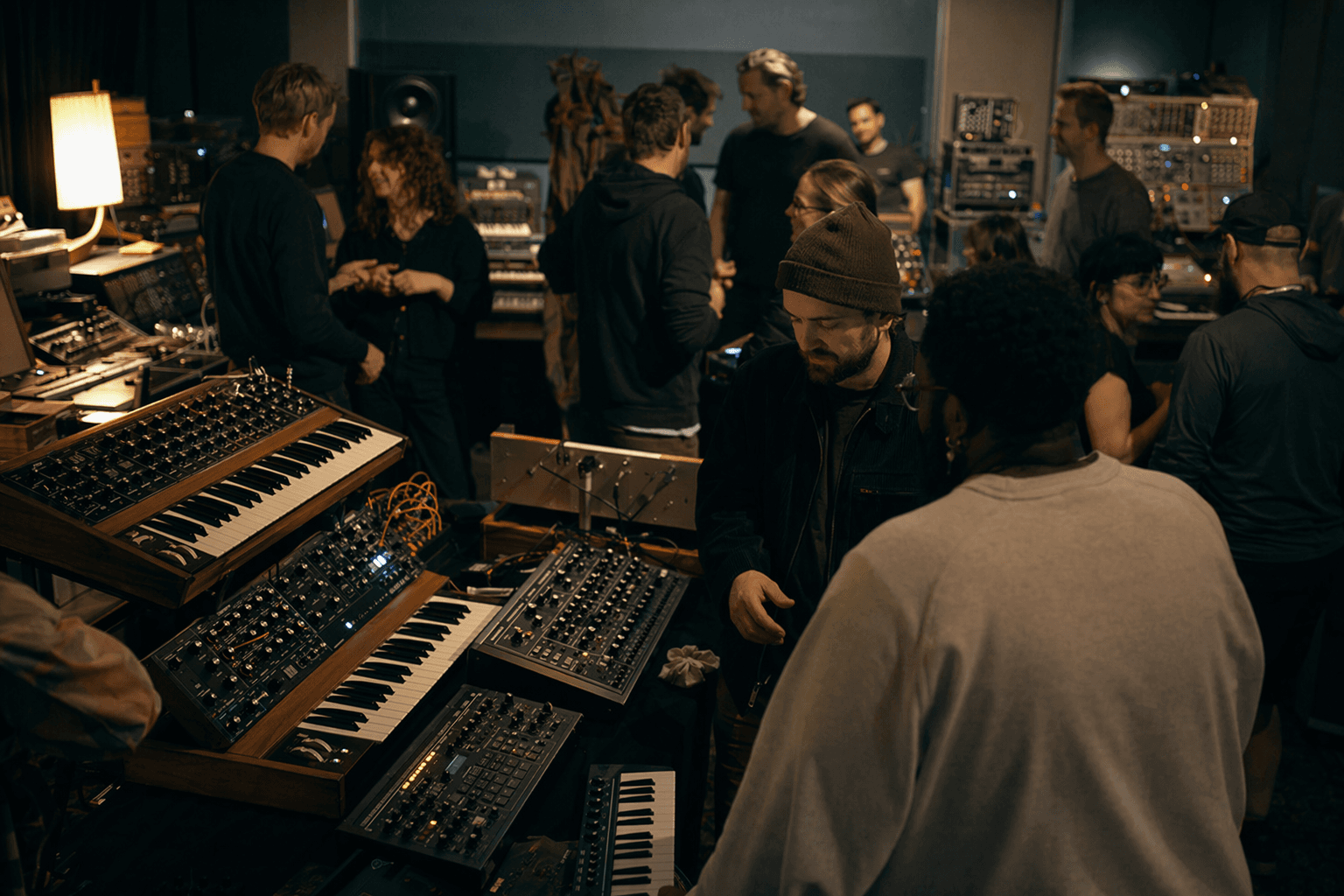
The overlap is impossible to ignore. Native Instruments’ Traktor competes with inMusic’s DJ brands, while Maschine lines up against Akai’s MPC family. In practice, that can mean tighter interoperability, more bundled ecosystems, and potentially better preservation of legacy products if inMusic sees long-term value in keeping them alive across brands. It can also mean more lock-in, especially for users who have built entire setups around Native Instruments’ licensing and controller integration.
The deal builds on a 2025 collaboration that brought NKS integration to Akai Pro MPK controllers and M-Audio Oxygen controllers and brought Native Instruments sounds to the MPC standalone platform for the first time. That is the clearest clue to where this may go next: less isolation between classic hardware workflows, more cross-brand integration, and a market where the preservation of familiar instruments may depend on how tightly inMusic chooses to unify them.
Know something we missed? Have a correction or additional information?
Submit a Tip