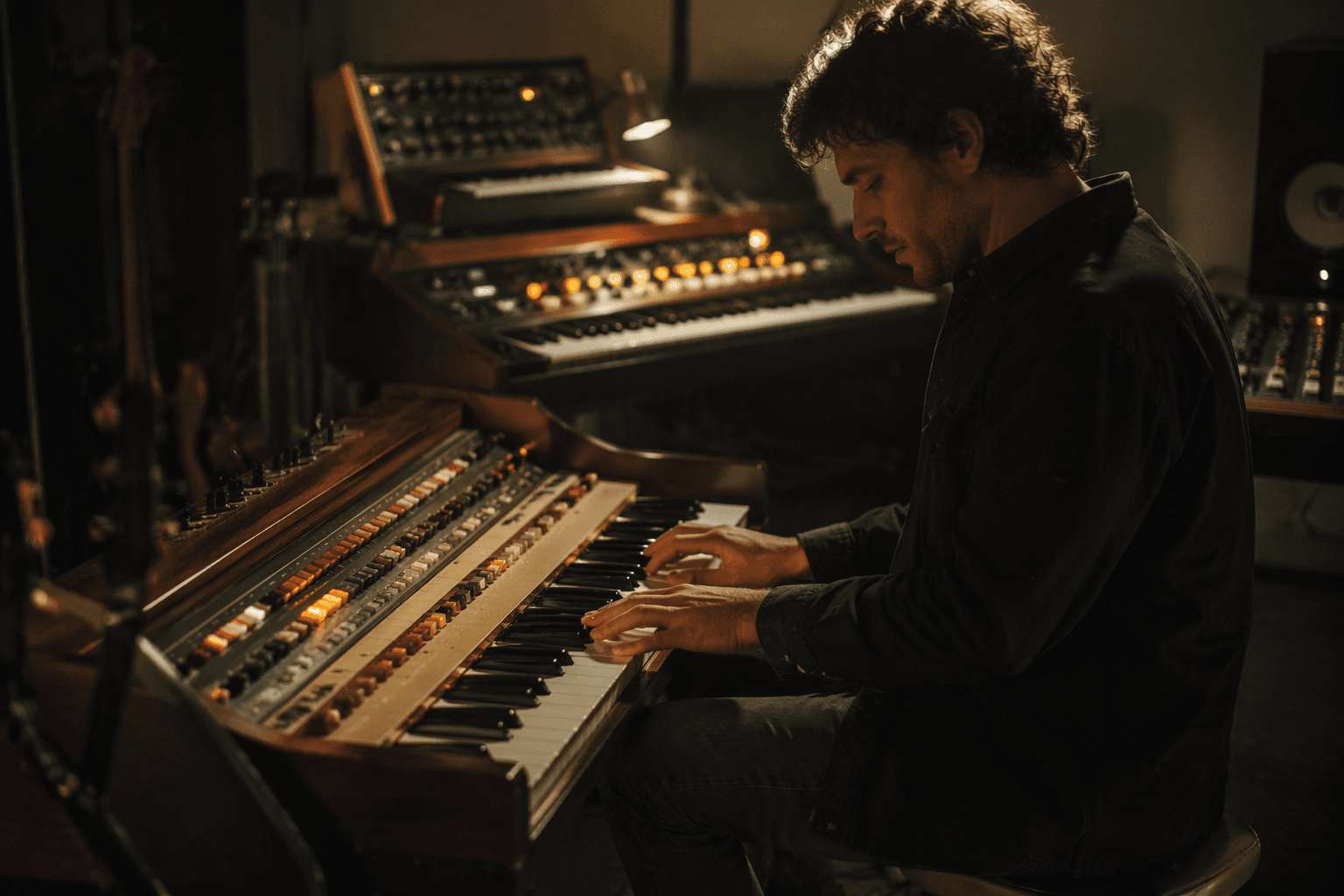
Open-Source Spark Synth Channels DX7 and Juno-106 Sounds in Portable Build
A tiny ESP-32 build is chasing DX7, sampler, and Juno-106 duties in a portable shell, with a keybed choice that favors feel over gimmick.
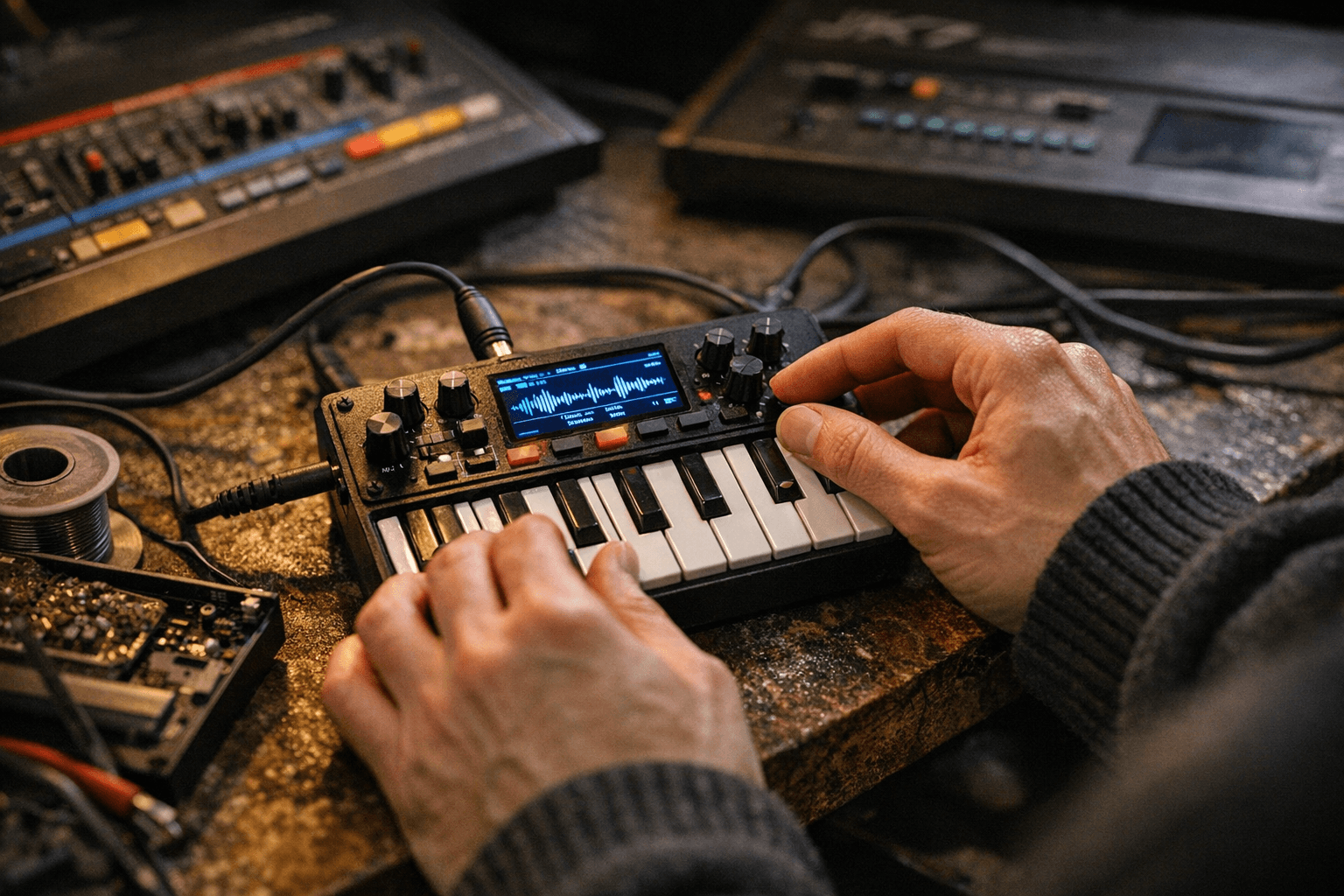
Spark looked less like a toy demo and more like a practical answer to a vintage-synth problem: how to sketch ideas without risking a fragile classic, burning up a power supply, or dragging a full-size board to a session. Built around an ESP-32 and the AMY synth engine, the open-source instrument put its ambition right on the surface with examples that leaned on familiar territory, including DX7, sampler, and Juno-106 sounds.
The appeal for vintage-synth readers was the way Spark framed those references. Instead of chasing a broad modern preset library, it focused on recognizable jobs that older gear still owns in the imagination: battery-portable sketching, lo-fi digital experiments, and MIDI companion duties. The linked video also showed BLE MIDI keyboard mode, turning the little box into something that could sit beside a rack, a laptop, or a half-restored keyboard and still pull real weight in a session.
The maker said the original goal was to build something OP-1 sized, but more performance-focused and cheaper. That distinction mattered. Spark was not designed as a shrine to miniaturization for its own sake; it was designed around playability. The first plan called for a Korg NanoKey 2 keybed, but the feel was judged too poor, so the build shifted to low-profile mechanical key switches instead. For anyone who has ever bounced off a cramped controller while trying to sketch a bass line or chord progression, that change lands as more than a spec note.
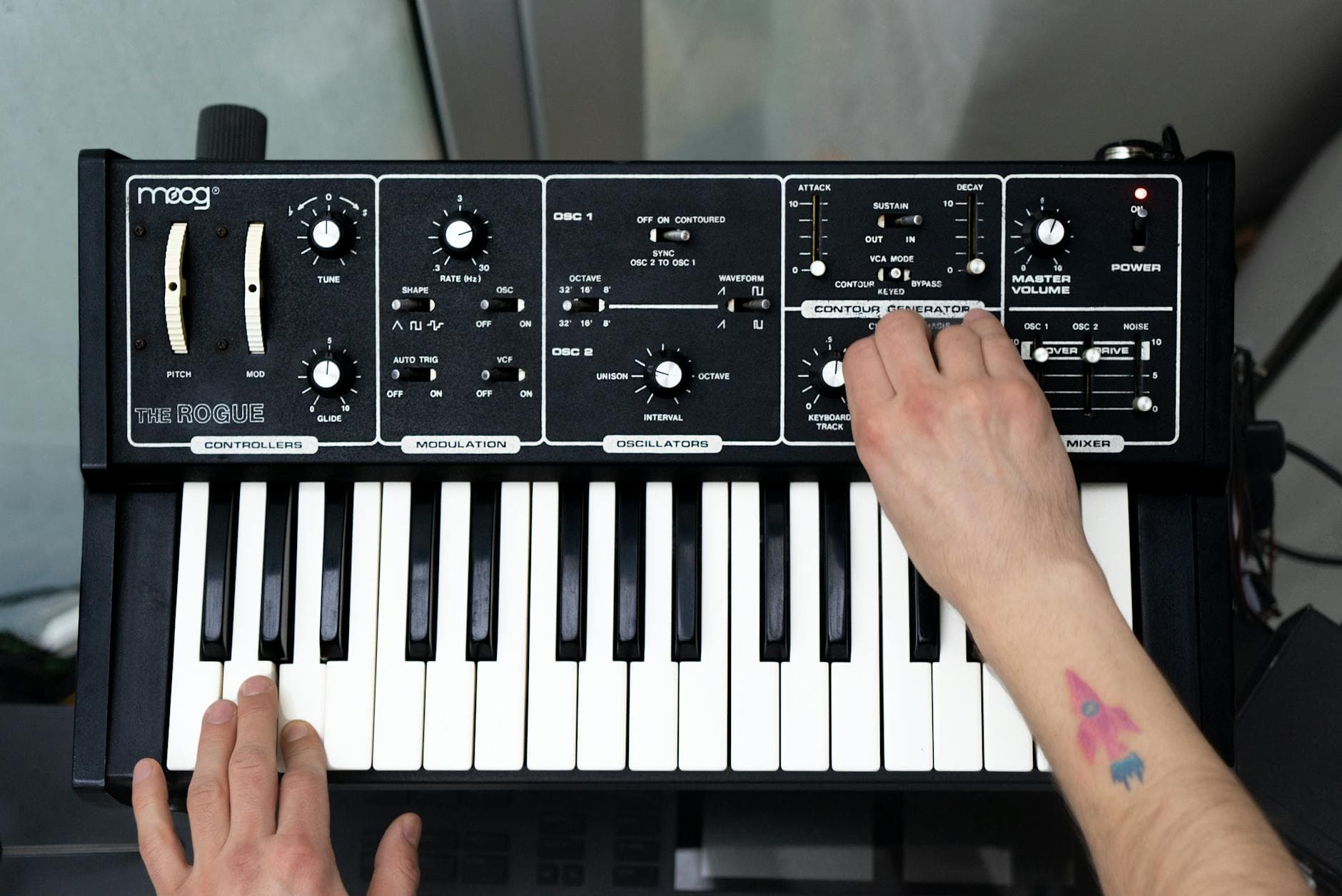
Spark already ran on AMY, shipped with built-in patches, and included the BLE MIDI keyboard mode, with more instruments planned later. That made it feel like an evolving platform rather than a sealed consumer product. In vintage-synth terms, the project sits in the space between a homebrew module and a travel rig: compact enough to toss in a bag, open enough to keep changing, and clearly aimed at hands-on experimentation.
The maker also described Spark as their first big electronics project, which gives the instrument a different kind of charm. This was not a nostalgia piece from a company polishing old lore. It was a public build, shaped by practical decisions about feel, size, and use, and by a direct question that matters to anyone who owns classics: what if the portable sketchpad could be this small, this hackable, and still reach for the sounds that defined an era?
This article was produced by Prism’s automated news system from verified source data, official records, and press releases, then run through automated quality and moderation checks before publishing. The system is built and supervised by the people who set the standards it runs under. Read our full AI policy.
Did this article answer your question?