PAiA Founder Scott Lee Dies, Future of Storied Synth-Kit Brand Uncertain
Scott Lee’s death leaves PAiA temporarily offline, and with it a crucial gateway into DIY synth building that shaped generations of first-time solderers.
Scott Lee’s death has put one of synth culture’s most approachable names into an uncertain pause. PAiA says Lee died on April 21, 2026, with his family by his side, and that paia.com will remain temporarily offline while his son, Nathan Lee, works to get the company back into operation.
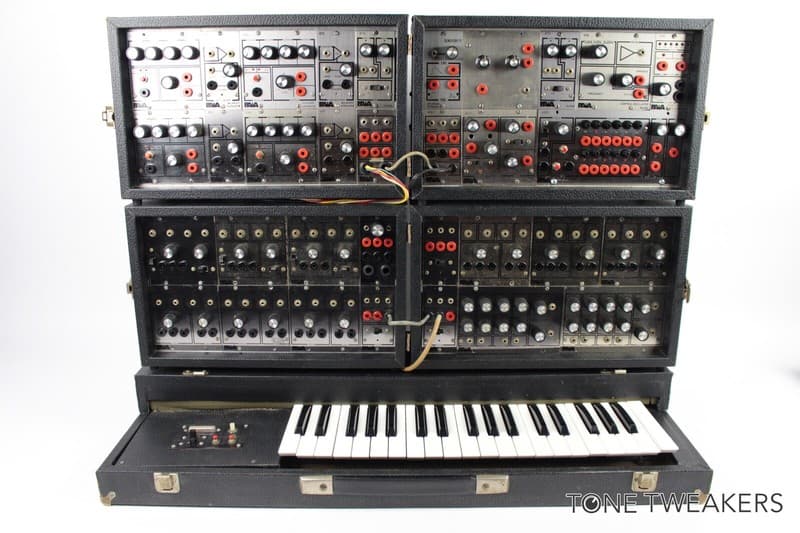
For the vintage synth world, this is bigger than one company obituary. Lee’s path, after service in the U.S. Army, ran through engineering, music, and electronics into a lifelong career at PAiA, where he eventually became owner of the Paia Corporation. That matters because PAiA was never just another boutique maker. It was one of the places where players learned that a synthesizer could be built, not just bought, and where a soldering iron could be the first step into electronic instrument history.
PAiA was founded by John Simonton in Oklahoma City in 1967 or 1968 as a kit company aimed squarely at the do-it-yourself electronic musician. The company later published Polyphony magazine starting in 1975, before it was renamed Electronic Musician, which helped extend PAiA’s influence beyond the bench and into the wider conversation around homebrew music technology. The FatMan, first released in 1992, became the company’s best-known gateway project, a DIY analog synth that turned many curious readers into builders. For a lot of players, that box was the first time a synth felt understandable, not mystical.
That is why Lee’s death lands as a practical issue as much as a sentimental one. Owners now have to watch what happens next with kits, documentation, parts support, and the continuity of the archive that made PAiA such a useful entry point in the first place. If PAiA stays dark for long, the real loss will not just be a storefront. It will be a break in the chain that taught generations how these machines worked, how to repair them, and how to trust themselves with a circuit board.
The reaction so far has been personal. PAiA’s forum carried an “In Memoriam - Scott Lee” post on April 28, and a user on May 1 called Lee a “truly kind and talented person,” praising his willingness to explain what he loved. That is the part of PAiA’s legacy Lee helped carry forward, the idea that synths were for building as much as collecting, and that knowledge itself could be part of the instrument.
This article was produced by Prism’s automated news system from verified source data, official records, and press releases, then run through automated quality and moderation checks before publishing. The system is built and supervised by the people who set the standards it runs under. Read our full AI policy.
Did this article answer your question?