Shear Electronics Relic OB-X Clone Enters Production After Years of Delays
Shear Electronics has moved the Relic from prototype lore to real production, putting a long-awaited OB-X clone into shipping with eight voices and a 14,000-euro price tag.
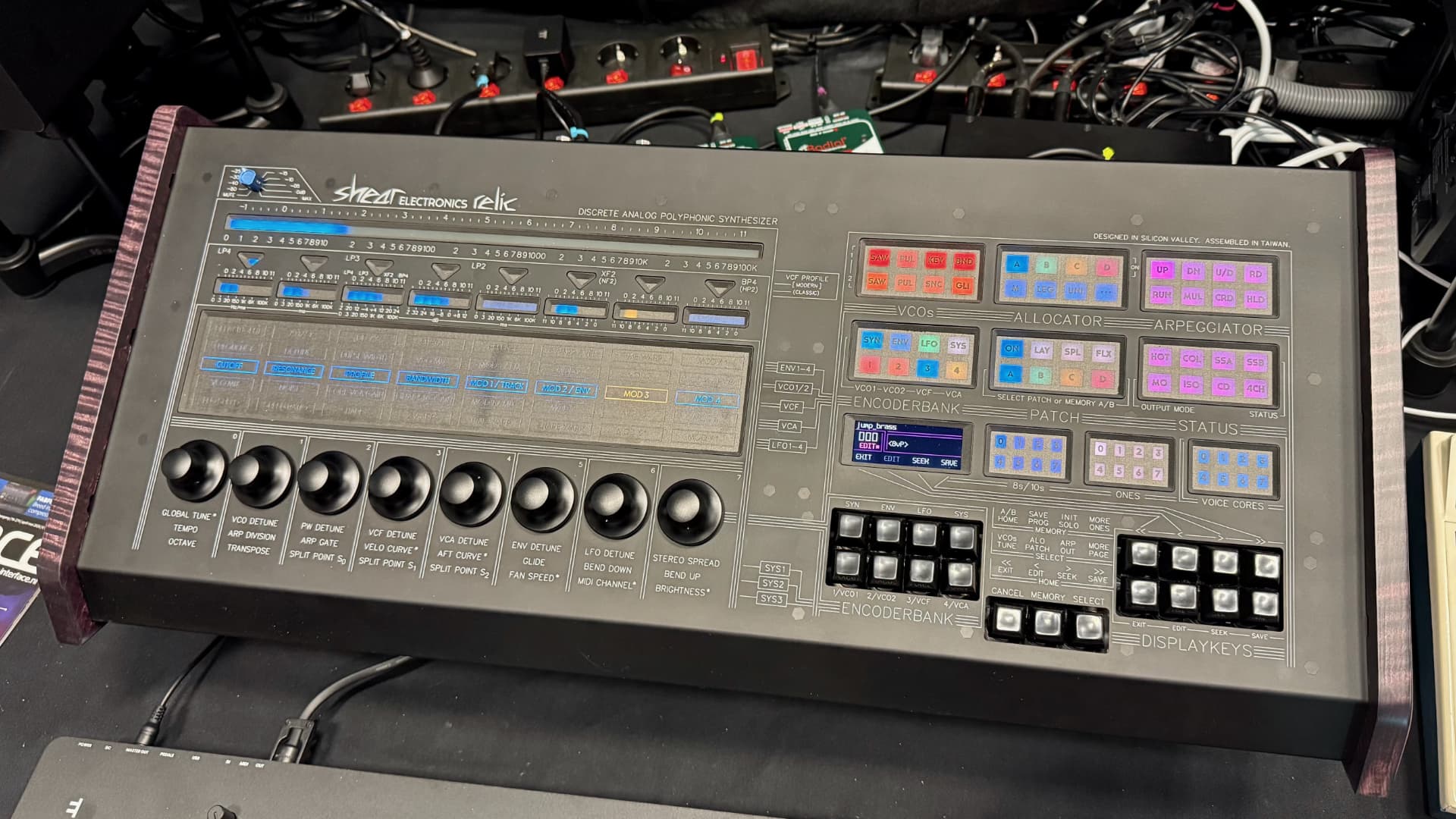
After years of prototype sightings and show-floor whispers, Shear Electronics has pushed the Relic into production, with shipping set to begin soon. For OB-X obsessives, that is the real news: this is no longer a concept piece parked in the collector imagination, but a finished attempt to give players Oberheim character without the roulette wheel of vintage ownership.
The Relic first surfaced in 2017, when Jacob Brashears unveiled it as an analog recreation of the Oberheim OB-X. Since then it has made the rounds at key checkpoints, including SynthPlex in 2022 and NAMM in 2024, building a reputation as one of the more closely watched OB-X-style projects in the synth world. Shear Electronics is based in San Jose, California, and the company’s own site had still described the Relic as being at the prototype stage and, as of February 2024, limited by supply. Moving from that status to real production changes the conversation entirely.
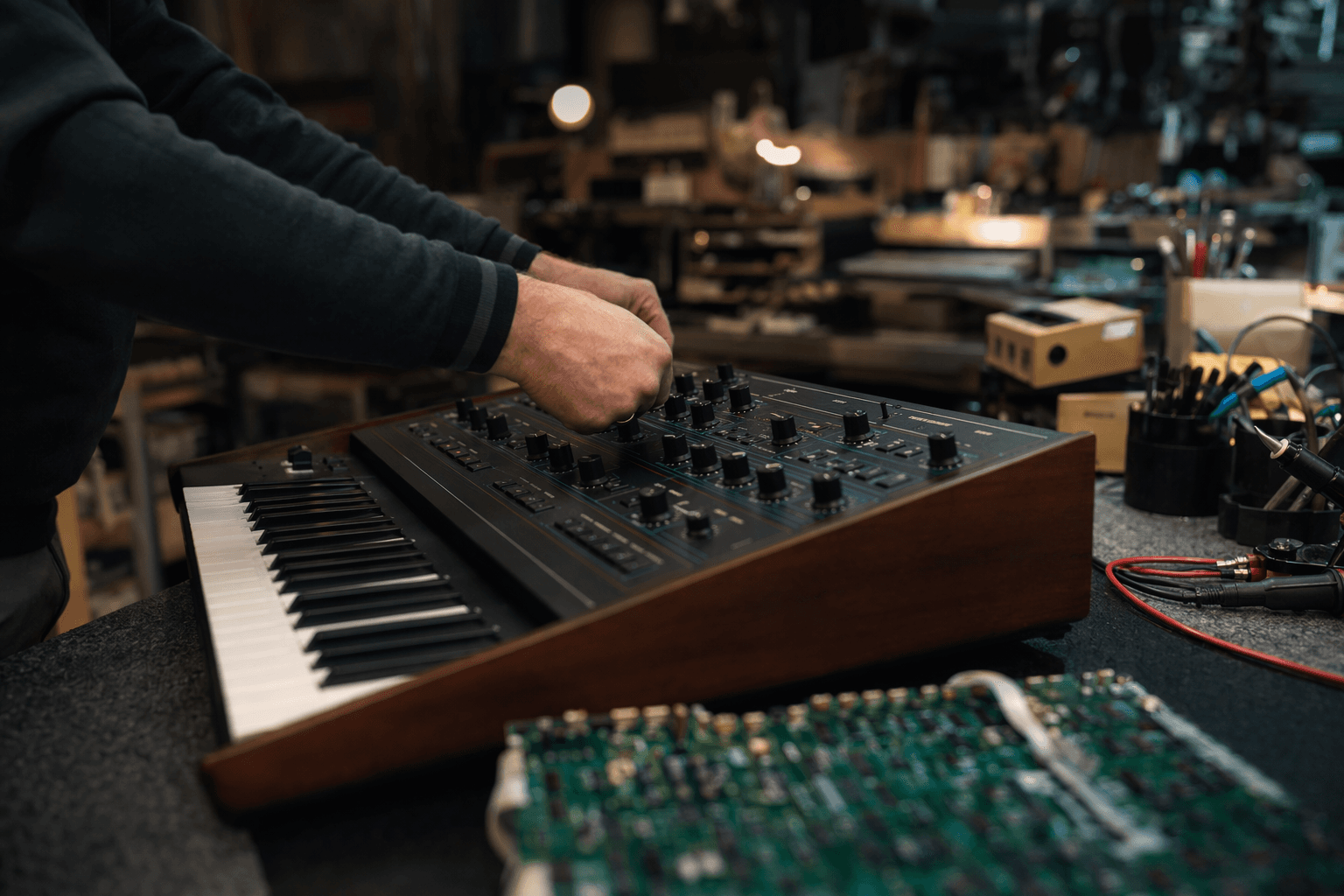
What makes the launch matter is not just the backstory, but the instrument itself. The Relic is an eight-voice synth with two analog oscillators per voice, four DAHDSR envelopes, four LFOs, and a continuously morphable multimode filter. In other words, this is not a museum tribute dressed up for Instagram. It is a serious polyphonic instrument with enough control architecture to stand on its own, and the reported ability to calibrate it in under two minutes suggests Shear Electronics built it for repeatability as much as nostalgia.
The production setup also says a lot about where this project landed. Development is tied to Silicon Valley, while manufacturing is in Taiwan, a split that points to a boutique instrument engineered for consistency rather than hand-built one-off mystique. The reported price, around 14,000 euros, puts it firmly in collector territory, which is why the step from delay-prone prototype to shipping product feels so significant.
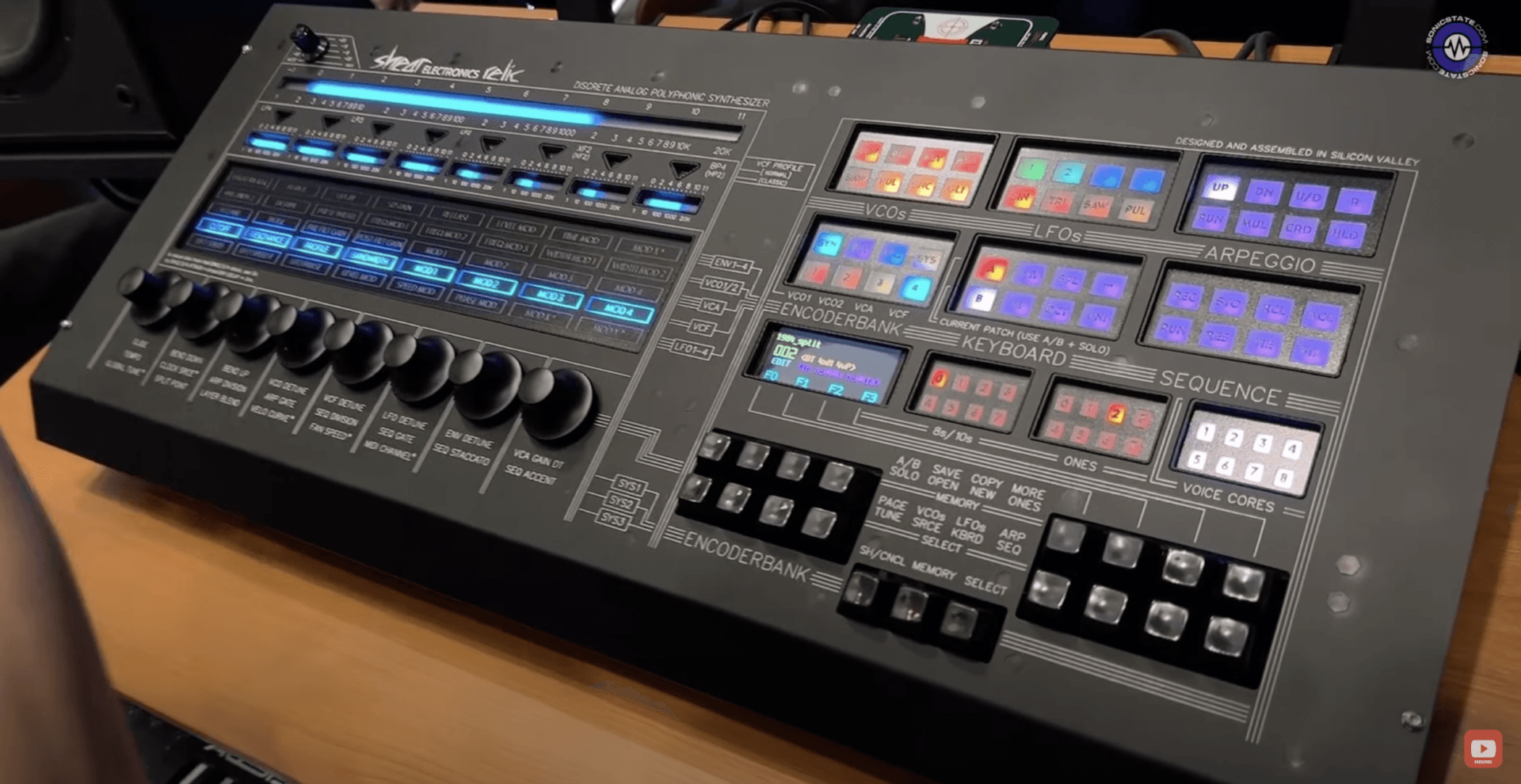
That price also frames the larger OB-X question. The original Oberheim OB-X first went on sale in June 1979, was built to compete with the Sequential Circuits Prophet-5, and roughly 800 units were made before it was discontinued in 1981 and replaced by the OB-Xa. Original machines now bring the full package of vintage synth pain: scarcity, maintenance, calibration, and the constant fear of a repair bill. If the Relic delivers what its specs and long gestation promise, it could become the practical OB-X option players have wanted for years, even if it arrives as an expensive one.
This article was produced by Prism’s automated news system from verified source data, official records, and press releases, then run through automated quality and moderation checks before publishing. The system is built and supervised by the people who set the standards it runs under. Read our full AI policy.
Did this article answer your question?