Robert Margouleff revisits Stevie Wonder, Tonto and Motown breakthrough
Margouleff’s breakup recollection reframes Stevie Wonder’s synth peak as a producer-tech partnership, not just Tonto’s hardware.
The breakup moment explains the breakthrough
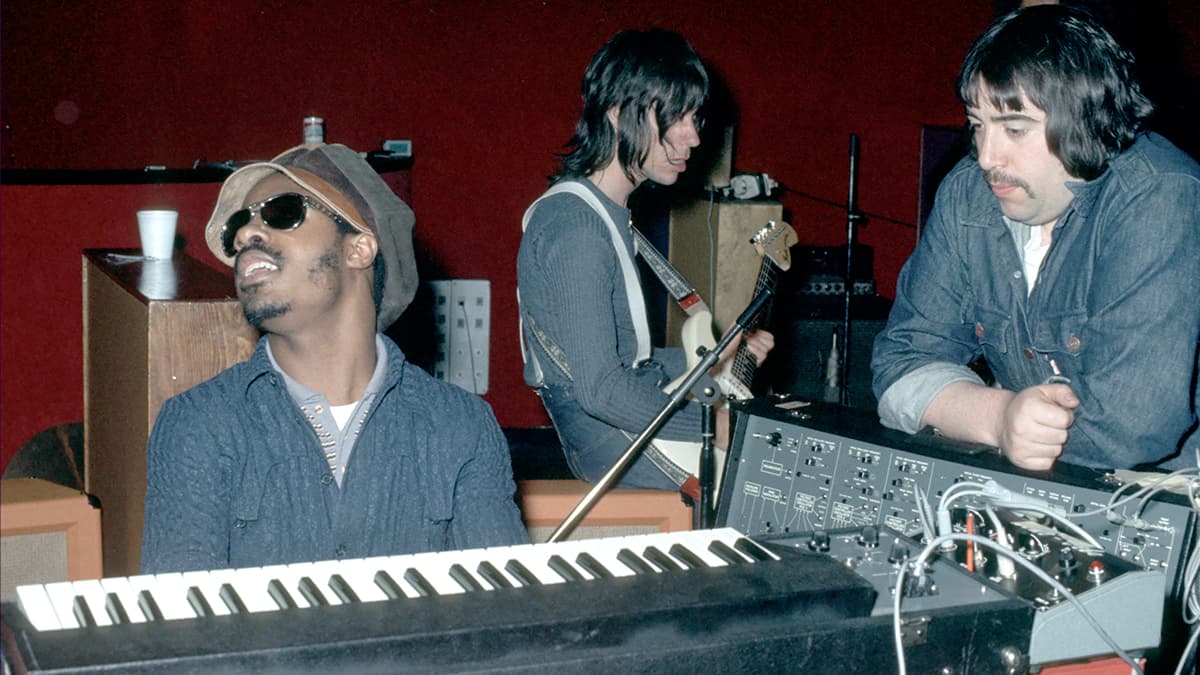
Vintage synth history often gets flattened into a gear list, but Robert Margouleff’s recollections put the human relationship back at the center of Stevie Wonder’s classic run. The real story is not just that Tonto was in the room, but that Wonder, Margouleff, and Malcolm Cecil built a working language together, then watched it fracture under the strain of credit and control.
Tonto was a system, not a single keyboard
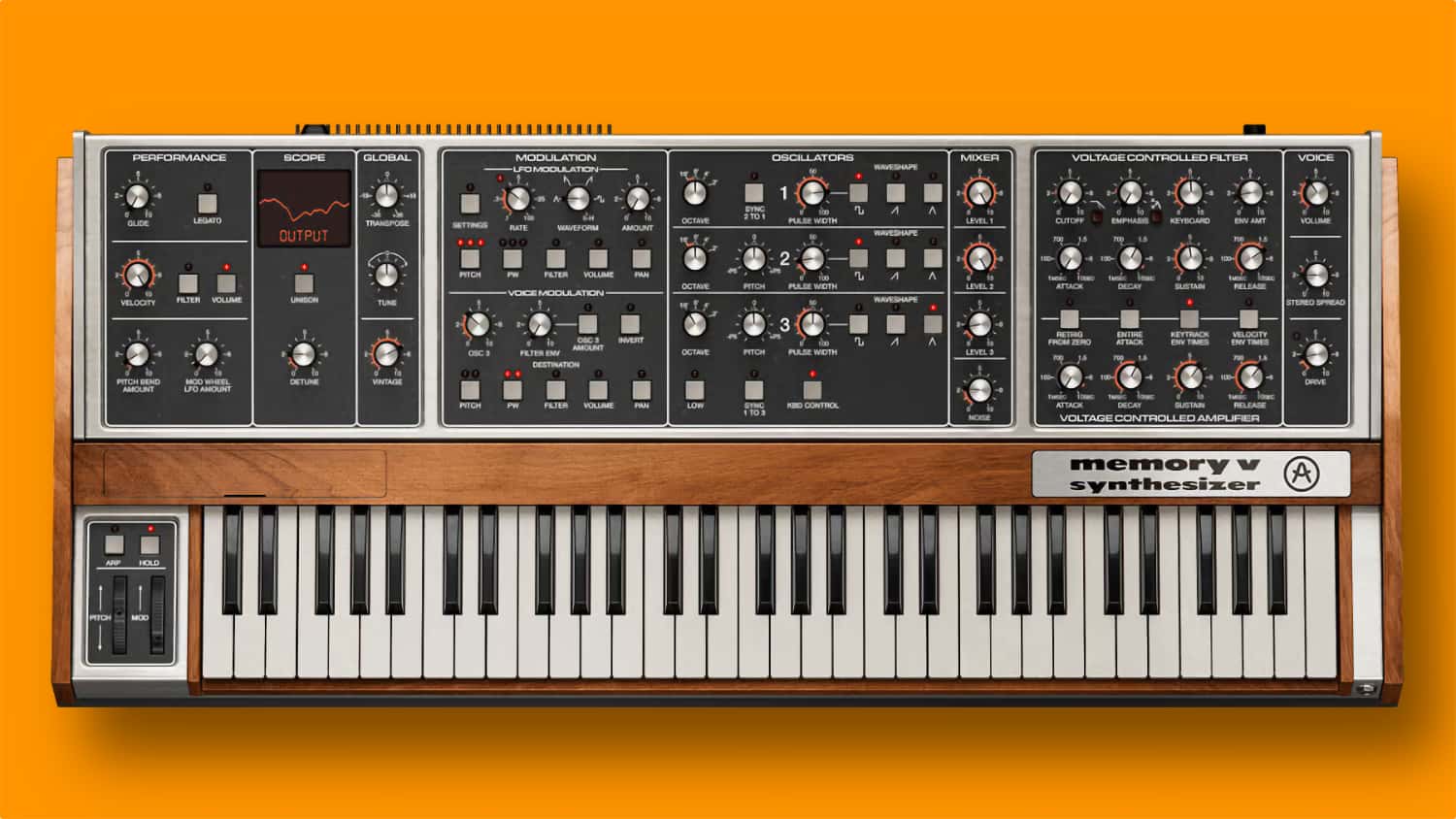
Tonto, the massive custom rig behind this era, was a sprawling electronic ecosystem assembled from parts sourced from multiple manufacturers. That matters because it changes how these records should be understood: not as the product of one famous synth or one signature preset, but as the output of a studio machine designed around experimentation, layering, and adaptation.
Margouleff and Cecil had already been working in that direction before Wonder entered the picture. Their duo, Tonto’s Expanding Head Band, formed in New York in 1971, and their album Zero Time came out the same year. They had also worked with Bob Moog as early as 1969, which places them squarely inside the earliest era of serious modular and hybrid synth design.
Wonder heard Zero Time and sought them out. That detail is crucial for anyone tracing the roots of synth-driven soul, because it shows that the collaboration began with artistic curiosity, not a preset trend or a label mandate. The studio vocabulary that followed was built from scratch.
Motown gave Wonder the leverage to make it happen
The partnership landed at the exact moment Wonder was changing the terms of his own career. In the early 1970s, he re-signed with Motown on far better terms, including ownership of his publishing and a higher royalty rate. That shift gave him the freedom to move beyond child-star expectations and shape the records as a true creative director.
Wonder was born on May 13, 1950, and by the time this run fully clicked, he was still a very young artist making music that would define an era. The collaboration with Margouleff and Cecil began with Music of My Mind in 1972 and quickly became one of the most important stretches in modern pop production. This was not simply a gear upgrade; it was a contract-level change in authorship that let the studio become an instrument.
The four-album run is the core of the story
Between 1972 and 1974, the Wonder-Margouleff-Cecil partnership produced four landmark albums: Music of My Mind, Talking Book, Innervisions, and Fulfillingness’ First Finale. For synth players and tape-heads alike, that sequence is the key reference point because it shows how a custom electronic setup can serve songs without flattening them.
Innervisions arrived on August 3, 1973, and the record’s impact was immediate. It won Album of the Year at the 16th GRAMMY Awards, and Wonder went on to win five GRAMMY Awards in 1974 for work tied to Talking Book and Innervisions. That haul is part of why this period still stands as one of the sharpest examples of electronic production crossing fully into the mainstream.
The feel came from performance, not the grid
Margouleff’s most useful correction is about time. He says they “never used click tracks,” and that single detail tells you a lot about why these records still breathe. Listen to *Superstition*, and you can hear the band and the machines flexing together, speeding up and slowing down in a way that would be sanded off by stricter modern workflows.
For vintage-synth fans, that is more than nostalgia. It is a reminder that the classic electronic era was not defined by rigid quantization or sterile precision, but by players shaping time against the circuitry. The synths were part of the performance, not a replacement for it.
The split was about credit as much as chemistry
Margouleff also frames the end of the partnership as a result of creative and credit frustrations. He says the arrangement never fully delivered on the promises around leadership, and he was credited only as an associate producer. That kind of tension is familiar in studio history, but here it matters because it marks the point where the collaborative architecture behind Wonder’s breakthrough began to come apart.
Malcolm Cecil’s death in 2021 gives those recollections added weight, because Margouleff’s account now stands as one of the last living first-person windows into that exact studio culture. His new book, *Shaping Sounds: Stevie Wonder, Devo, The Synth Revolution and My Life Behind the Music*, makes the interview feel less like a look back than a primary-source correction to how the era gets remembered. The takeaway is simple: the breakthrough was never just about iconic machines, it was about who was allowed to steer them.
That is why Margouleff’s breakup memory matters. It marks the point where Stevie Wonder’s synth-era masterpiece stops looking like a hardware story and starts looking like a hard-won studio partnership, one that shaped the sound of the records precisely because it was built on shared invention.
This article was produced by Prism’s automated news system from verified source data, official records, and press releases, then run through automated quality and moderation checks before publishing. The system is built and supervised by the people who set the standards it runs under. Read our full AI policy.
Know something we missed? Have a correction or additional information?
Submit a Tip