Temecula DSP Releases Free Emulation of the Classic 1987 Alesis MidiVerb II
Temecula DSP's free MDV-II plugin emulates the Alesis MidiVerb II's DASP-16 engine at its original 31,250 Hz sample rate, putting a cult 1987 reverb unit in every DAW for nothing.
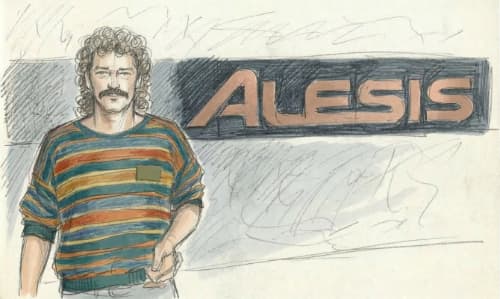
Temecula DSP's MDV-II reproduces the Alesis MidiVerb II at its native 31,250 Hz sample rate, emulating the DASP-16 engine that gave the 1987 hardware its famously murky, warm character. The plugin is free, available in VST3, AU, and AAX formats for macOS and Windows, and includes the complete factory bank of 100 programs: reverbs, gated reverbs, and reverse reverb programs that made the original unit a fixture in budget studios throughout the late '80s and '90s.
The MidiVerb II was never a transparent processor. Its warmth came directly from the constraints of its design: limited bandwidth and integer arithmetic that, as Temecula DSP puts it, "became part of its appeal rather than a limitation." The company calls it "the studio workhorse that defined affordable digital effects," and that reputation has held. The hardware still sees regular use today, which makes an accurate, accessible emulation genuinely useful rather than merely nostalgic.
MDV-II's interface mirrors the hardware workflow, with numbered buttons for selecting and programming algorithms alongside input level, mix, and output level knobs. The key sonic decision lives in a single toggle: Vintage mode engages a three-stage analog reconstruction filter chain modeled after the MidiVerb II's hardware output path, delivering the original's darker, rolled-off tone. Switching Vintage mode off replaces that chain with a clean 4th-order Butterworth filter at 11,000 Hz, providing transparent anti-aliasing and a noticeably brighter, more open sound. The same 100 programs are available either way, which means the plugin can serve both strict hardware recreation and more modern signal-chain applications.
Temecula DSP is a new company, and the MDV-II is its second release. Earlier in March it drew attention with DEEP/4, a free emulation of the Ensoniq DP/4 multi-effects processor covering all 46 of that unit's algorithms. The MDV-II followed in the same month, with Bedroom Producers Blog noting an update date of March 18. Temecula DSP's own promotional copy on the MDV-II is unusually candid about its ambitions: "Don't let 'free' fool you — this is one of my favorite effects I've built. Because it's so easy to use, and Keith Barr's algorithms sound incredible!"
Barr, the engineer credited in Temecula DSP's marketing copy, designed the original MidiVerb II algorithms. His name appearing in the plugin's promotional material signals that the company sees authenticity, not just convenience, as the product's core value proposition.
Temecula DSP notes that "Alesis" and "MidiVerb" are trademarks of inMusic Brands, Inc., and that Temecula DSP is not affiliated with, endorsed by, or sponsored by inMusic Brands. The same arm's-length disclaimer applies to the DEEP/4 and its connection to Creative Technology Ltd. Two free plugins in one month is a strong opening statement for a new developer staking its reputation on hardware accuracy.
Know something we missed? Have a correction or additional information?
Submit a Tip