Vintage Synth Repair Crisis: Apprenticeships and Dealer Workflows Preserve Legacy Instruments
A shortage of skilled vintage synth technicians is creating service bottlenecks for rare analogue gear, and apprenticeship programs plus dealer workflows are being used to preserve instruments and expand capacity.

A growing shortage of technicians able to service vintage synthesizers is producing real bottlenecks for collectors and studios. Owners report long waits for repairs on heavyweight machines like the CS-80, complex modular rigs, and synths that depend on rare voice cards, and dealers are responding by building apprenticeships and standardized bench workflows to keep legacy instruments playable.
The problem stems from a training gap: board-level troubleshooting, alignment of voice circuits, and knowledge of obsolete components are specialist skills that few early-career techs possess. That skills gap turns a simple calibration into a months-long project when replacement parts must be hunted, voice cards must be repaired rather than replaced, or modular assemblies require system-level troubleshooting. For players experiencing GAS for a rare box, those feedback effects hit hard when the instrument is off the air for extended periods.
Dealers and service shops are shifting from ad hoc fixes to systematic capacity building. Shops are formalizing documentation, developing recommended test procedures, and training junior techs through paid apprenticeships and structured mentoring. The new bench workflows prioritize triage, standardized diagnostics, and repeatable burn-in procedures so multiple techs can pick up a job without losing institutional knowledge. Shared documentation and test jigs help preserve alignment specs for voice cards and modular modules, while written service records make restorations transparent for buyers and sellers.
That shift has direct practical value for anyone planning a restoration or arranging long-term storage. Expect longer lead times and budget for specialist labor. Ask for written service procedures and logs when you consign a synth to a dealer; insist that shops document test results and parts provenance so future techs can continue maintenance without re-learning the instrument. When storing rare analogue gear, coordinate with your technician or dealer about recommended storage conditions and any pre-storage service that preserves calibration and prevents degradation.
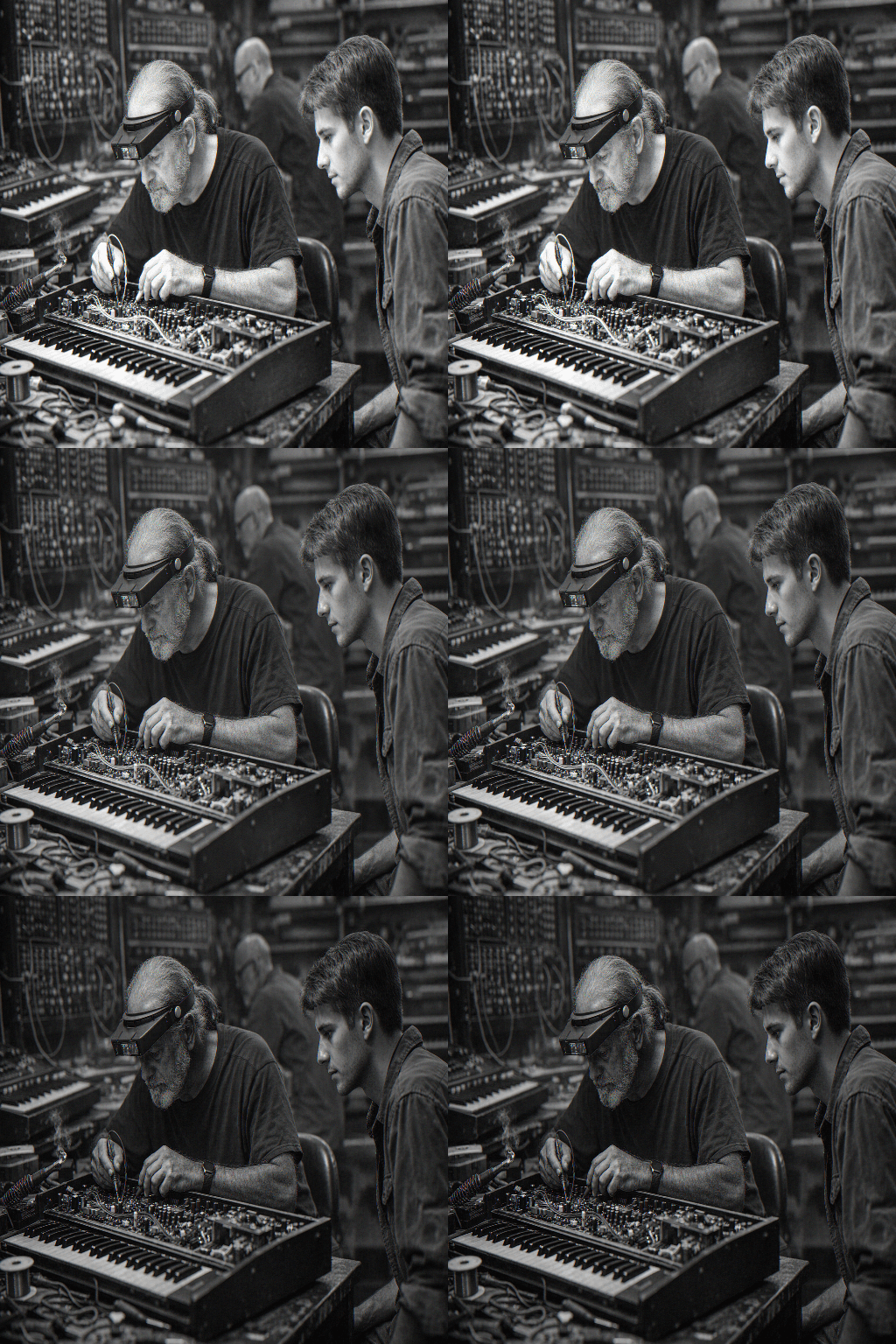
Community-level responses are emerging. Some shops recruit from local electronics programs and maker spaces, while others run weekend clinics to teach voice-card troubleshooting and modular signal-path diagnostics. Those efforts build a pipeline of technicians who understand both classic analog design and modern measurement tools. For the community, that means better continuity of knowledge and fewer instruments trapped in limbo.
What this means now is straightforward: plan restorations earlier, demand documentation, and support shops that train apprentices. The repair ecosystem is fragile but not broken; with expanded training and consistent workflows, CS-80s, modular racks, and rare voice-card rigs can remain active parts of the scene rather than museum pieces collecting dust.
Know something we missed? Have a correction or additional information?
Submit a Tip