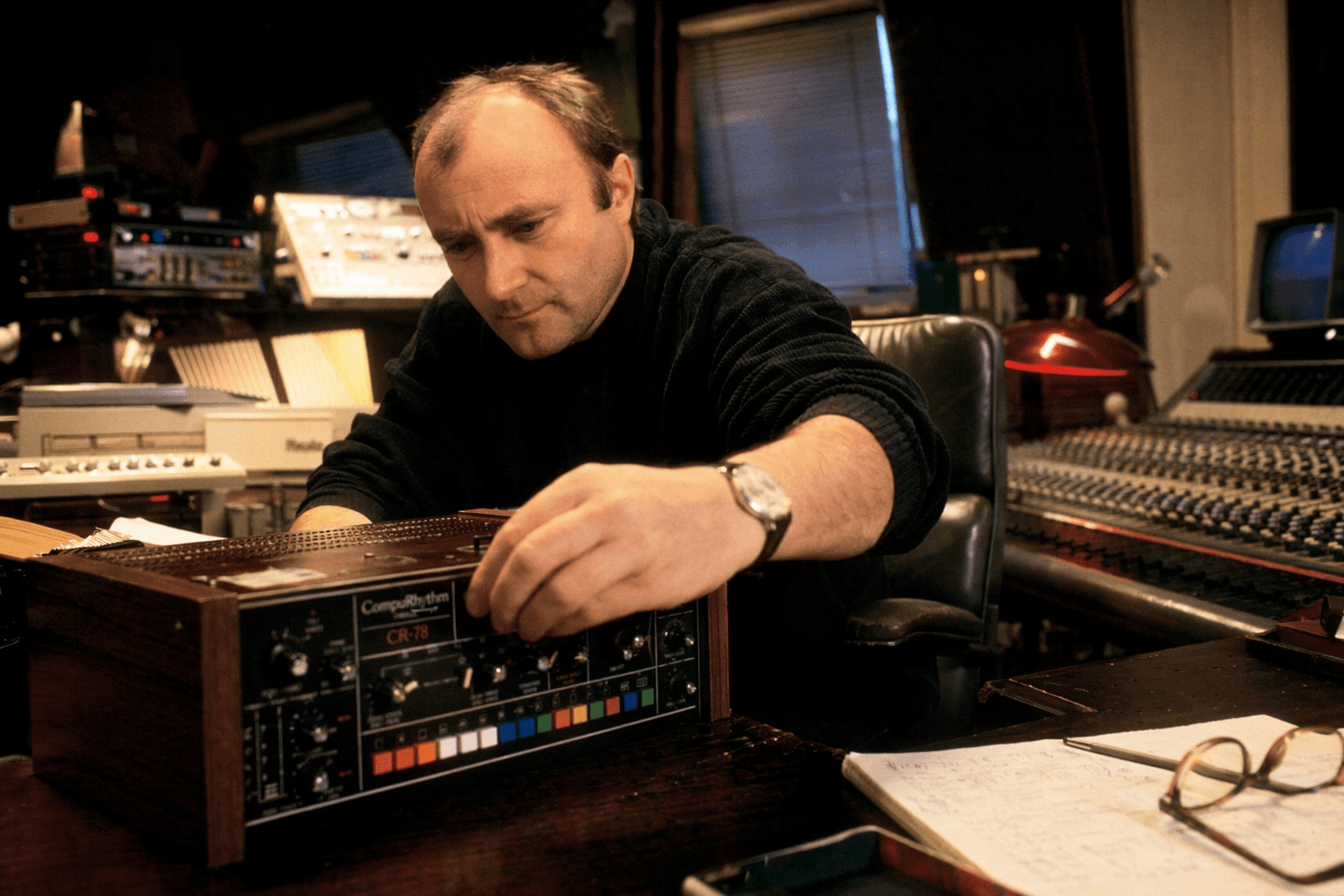
Vintage Synthesizer Museums Guide: Restoration, Sourcing, Storage, Hands-On Education
Museums and collections are preserving analog character through targeted restoration, component sourcing, climate-controlled storage, and hands-on exhibits that teach repair and patching skills.
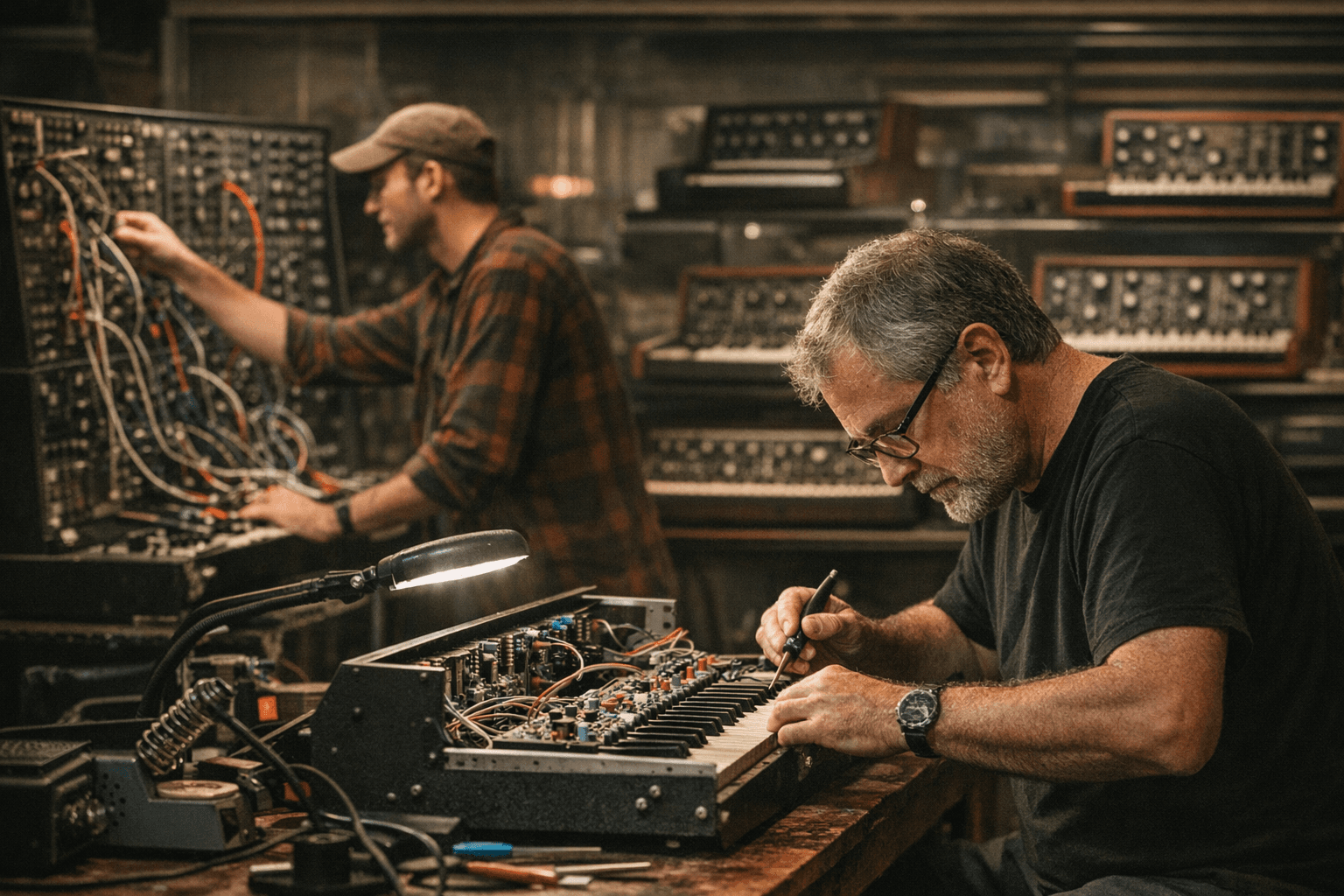
Vintage synthesizer museums and private collections are acting as both preservers and teachers, protecting the quirks of analog filters, VCO drift, and rich feedback effects while passing repair knowledge to new players. What matters now is practical preservation: sourcing hard-to-find parts, using trained restoration specialists, and designing hands-on exhibits and workshops that keep instruments playable and relevant.
The lead challenge is sourcing. Many boards depend on obsolete components and aging passive parts that fail long before chassis wear out. Museums report rising time spent identifying vintage op amps, discrete transistors, potentiometers and rubber parts, then locating NOS or modern equivalents. That sourcing work affects acquisition strategy: curators prioritize instruments with documented provenance and service histories, or they acquire units alongside donor parts and cabinets to reduce restoration scope. Trades, auctions and targeted purchases on specialist marketplaces are common, but documentation and condition reports now drive decisions as much as GAS.
Restoration specialists bridge the gap between collector passion and technical risk. Their role covers diagnostics, power supply safety, capacitor recapping, and board-level repairs while conserving original circuitry whenever possible. Museums emphasize conservative intervention: retain original voice circuitry, document every change, and store removed parts. Specialists also train staff and volunteers in safe bench practices, ESD precautions, and fusion of period-correct techniques with modern test equipment so a Minimoog style VCO wobble can be preserved without frying the PSU.
Environmental storage is a non-negotiable part of long-term care. Climate control, stable humidity, dust mitigation and vibration-free shelving reduce mechanical stress on pots, keybeds and belts. For display and storage, set-ups that allow periodic power-up and gentle exercise of moving parts prevent drying and seizure. Security and insurance considerations factor into public display decisions, and museums design cases that permit hands-on demos while limiting wear.
Hands-on exhibits and workshops are where the community buy-in happens. Interactive patching tables, introductory soldering labs, and curator-led tear-downs turn passive displays into training grounds. Teaching basic signal flow, common fault diagnosis and patch-cable etiquette builds repair capacity within the local scene and reduces the resource strain on specialists. Practical programs also widen access for beginners and collectors who want to build a small showcase without overcommitting to full-scale restoration.
For collectors and small museums the takeaway is concrete: prioritize instruments with service records, plan for ongoing parts sourcing, budget for specialist labor, and design storage that supports intermittent use. If you want to dig deeper, institutions maintain resources and contact points, including the online listing at wonderfulmuseums.com/museum/vintage-synthesizer-museum/ for further reading and links to restoration networks. Preserving analog character is as much about community skills and shared parts as it is about the gear itself, and the next step is getting hands-on to learn the circuitry behind the sound.
Know something we missed? Have a correction or additional information?
Submit a Tip