Why Vintage Analog and Early Digital Synths Are Making a Comeback
Vintage analog and early digital synths are seeing renewed interest for their tactile controls, circuit-bending potential, and the unique sonic character aging components add to modern production.

Interest in vintage analog and early digital synthesizers has grown noticeably, driven by producers, collectors, and modders chasing textures that modern plug-ins and hardware sometimes miss. The comeback matters because these instruments offer hands-on playability, unpredictable imperfections from aged components, and a creative sandbox for circuit bending and modification that plugs directly into contemporary workflows.
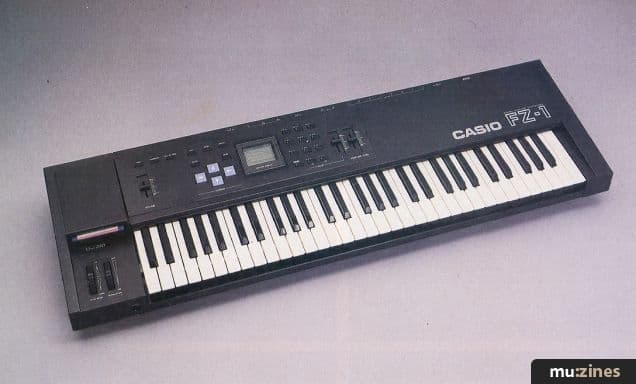
Historically, analog synths emphasized voltage-controlled oscillators, filters, and envelopes that produced subtle nonlinearity and drift. Early digital synths introduced new timbres through limited-resolution converters and early wave‑table techniques. Those limitations are now assets: oscillator drift, noisy potentiometers, and uneven envelopes create warmth, grit, and character that tracks can’t always get from pristine software emulations. Producers looking for presence in a dense mix or a distinctive lead voice are returning to older hardware for those imperfections.
Community practice has shifted from pure nostalgia to pragmatic hybrid setups. Collectors keep classic gear for tone and resale value, while working producers integrate a handful of vintage units into modern studios using MIDI-to-CV interfaces, audio interfaces, and outboard effects. Modders embrace circuit bending and hardware modification to expand functionality, adding CV inputs, improving stability, or creating intentional feedback effects. That hands-on approach turns maintenance and repair into creative practice, and it fuels local swap meets, repair cafes, and online forums where parts and knowledge are shared.
For newcomers, practical buying and audition advice matters. When testing vintage instruments, listen for stable tuning and functional envelopes, check pots and switches for scratchy noise, test all outputs and modulation sources, and confirm the power supply functions reliably. Bring patch cables and a simple patch plan so you can verify oscillators, filters, LFOs, and any onboard sequencing. Ask about service history and spare part availability; some early digital units depend on ROMs or battery-backed memory that may have been replaced or removed. Expect some component aging, but know the difference between cosmetic wear and hard electronic faults.

Creative value is immediate: resampling a warped arpeggio, running a warm analog bass through granular processing, or abusing a bent circuit to create chaotic modulation can add unique layers to a track. Vintage units also force different workflows; tactile knobs and patching slow you down in productive ways, reducing endless menu diving and sparking new ideas. For collectors, the market’s renewed interest preserves community knowledge about repairs and modifications, making longevity more likely.
This comeback means your next studio upgrade might be less about more polyphony and more about personality. Verify service history, audition carefully, and consider a small, well-chosen unit to plug into a hybrid setup. Expect GAS to return in full force, and enjoy the patch cable therapy that comes with discovering the quirks that make vintage synths sing.
Know something we missed? Have a correction or additional information?
Submit a Tip