11th Edition Nears, Goonhammer Decodes Warhammer 40,000 Rules Reveals
Goonhammer’s latest recap turns 11th edition’s teaser cycle into a roadmap, with Detachment Points and Leader splits shaping how lists will be built.
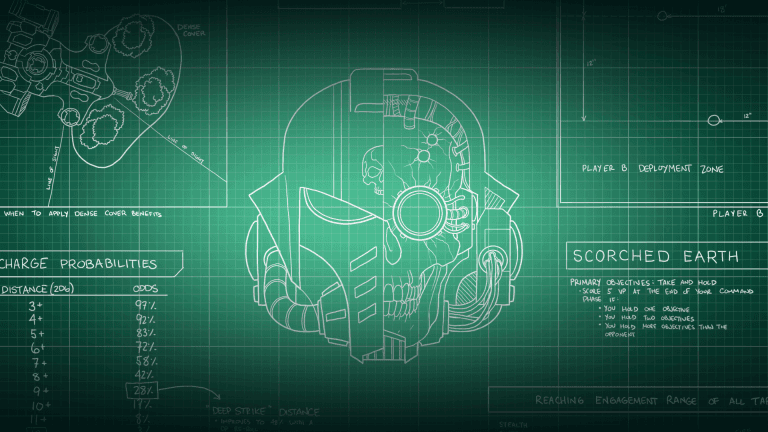
The real story is not the reveals, it is the direction they point
Goonhammer’s latest recap does something more useful than rehashing preview slides. It stitches together the recent Warhammer 40,000 rule teases and shows where the game is headed as the new edition closes in, which is exactly what matters when you are deciding what to buy, build, and paint next. The big takeaway is simple: the edition is not just a refresh of datasheets, it is a rethink of list construction, unit roles, and how armies are meant to hang together on the table.
That is why this piece lands as a bridge article rather than a news dump. With Warhammer 40,000 11th Edition only about a month from release, the useful question is no longer “what got revealed?” It is “which of these changes will actually affect how you build armies and understand the rules on day one?”
Armageddon sets the tone for the whole launch
Games Workshop officially revealed the new edition at Adepticon Preview 2026 on March 26, 2026, and the framing was loud and clear: the new era launches with the Warhammer 40,000: Armageddon boxed set. Warhammer Community has called it the biggest Warhammer 40,000 launch set yet, which is the kind of claim that matters because it tells you this is meant to be both a starter on-ramp and a statement of intent for the edition.
The setting itself is classic 40K catnip. Armageddon is back in the spotlight, the Orks are front and center, and Ghazghkull Thraka’s main force is closing in while the lore leans into an Imperial counteroffensive called Operation Imperator. That matters because the launch box is doing more than selling models. It is telling you what kind of war this edition wants to stage from the start: big industrial conflict, major faction matchups, and a story built around a huge, recognizable flashpoint.
Warhammer Community later lifted the lid on the box contents, and the spread makes the intent even clearer:
- 23 brand new push-fit Space Marines
- 38 brand new push-fit Orks
- A conveniently sized Core Rules booklet
- The Armageddon: Operation Imperator lore book
- The Chapter Approved 2026-27 Mission Deck
- The Dominatus Narrative Campaign Deck
- Armageddon datasheet cards
- A transfer sheet
That mix is a giveaway. This is not just a “here are the minis” launch box. It is built to get people playing matched play, narrative campaigns, and the new edition’s core rules all at once.
The miniature reveals already sketch out the Marine side
Before the full box contents were shown, Warhammer Community had already previewed a string of individual Space Marine models, including an Intercessor Squad member, a Captain with Relic Shield, a Librarian, a Chaplain with Jump Pack, and an Ancient. Those are not random profile picks. They are a snapshot of the kind of force the launch set wants to represent, with enough command presence and battlefield flexibility to read as a real army rather than a shelf of showcase sculpts.
That preview cadence also tells you something practical. Games Workshop did not wait until the box reveal to establish the Marine half’s identity, which means the company knew exactly which silhouettes and unit types it wanted players to associate with the new edition. If you are already thinking ahead to collection priorities, those early reveals are the clearest signal that the launch box is meant to support a broadly useful Space Marine core rather than a niche detachment gimmick.
Detachment Points are the list-building change worth watching
The most important rules detail in Goonhammer’s April 11 recap is Detachment Points. Each detachment costs between 1 and 3 points, and players get 3 points total to spend. That is the kind of system that can quietly reshape the whole game because it pushes list building away from pure “take the strongest theme and stack it” thinking and toward actual tradeoffs.
In practice, this means you are no longer just asking which detachment you like best. You are asking which detachment is worth your scarce points, whether a second detachment is worth giving up access to a stronger primary package, and how much flexibility you are willing to sacrifice to stay efficient. For players who like skewed lists, soup-style combinations, or highly optimized combo shells, this is the kind of mechanic that can make those builds far more expensive in army construction terms.
The bigger point is that Detachment Points give Games Workshop another balancing dial. Instead of relying only on datasheet costs or broad rules changes, the studio can control how easy it is to mix and match strong tools. That is likely to affect everyday play long before most people memorize every new datasheet.
Splitting Leaders changes how units fit together
The other major structural change Goonhammer highlights is the split of 10th-edition Leaders into two categories: Leader and Support units. That sounds like a rules-cleanup on paper, but it has much bigger implications for how armies function on the table. The old Leader model already shaped unit attachment and battlefield synergy; dividing it into separate roles suggests a more deliberate effort to sort out which characters actually lead, and which provide help without doing the same job.
For army building, that should matter immediately. It hints that Games Workshop wants cleaner boundaries around buffs, attachments, and the kinds of combinations players can legally or efficiently field. For rules comprehension, it should also make the game easier to read at a glance, because a unit’s purpose will be more explicit than in a system where every character blurs together into one broad Leader bucket.
That is the kind of change veteran players notice fast. If the split is implemented cleanly, it should reduce the “what does this character actually do in this list?” problem. If it is implemented poorly, it could become another layer of exceptions. Right now, the smart read is that the studio is trying to make list construction more modular without letting it turn into an open-ended combo machine.
What you can safely plan for now
The safest assumption going into the new edition is that broad, flexible army construction is being encouraged, but within tighter lanes. Detachment Points will push you to think harder about opportunity cost, while the Leader and Support split should make character roles more legible and less interchangeable. That combination suggests a game that wants clearer army identity and fewer accidental power blobs.
The launch box reinforces that direction. Armageddon bundles Core Rules, mission content, campaign content, datasheet cards, and a strong two-faction model spread into one package, which reads like Games Workshop wants players moving between narrative and matched play without friction. The edition is being sold as a full reset of how you engage with 40K, not just a new page of rules.
Goonhammer’s recap is useful because it turns those reveals into a simple truth: the next edition is already telegraphing how it expects you to build armies. The players who pay attention to those signals now will be the ones least surprised when the first lists hit the table.
This article was produced by Prism’s automated news system from verified source data, official records, and press releases, then run through automated quality and moderation checks before publishing. The system is built and supervised by the people who set the standards it runs under. Read our full AI policy.
Did this article answer your question?