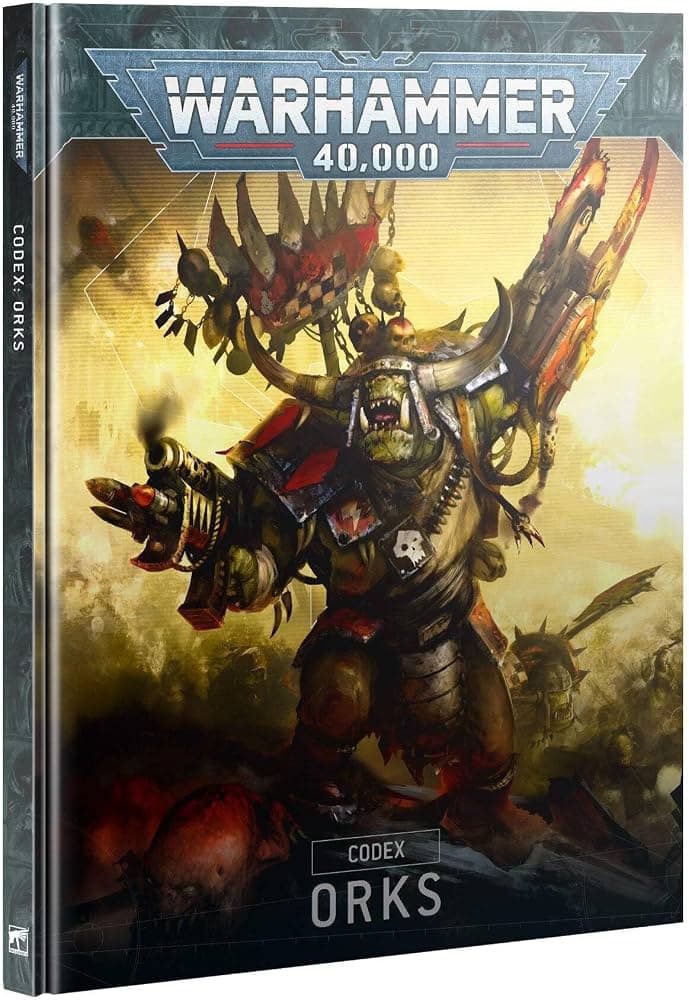
Battle for Tallarn spotlights brutal tank warfare and Imperial survival
Tallarn is still one of Warhammer’s great tank wars, and Journal Tactica turns that brutal survival story into real hobby fuel for armies, terrain, and campaigns.
Why Tallarn still matters
Tallarn has a special place in Warhammer because it is not just another siege, purge, or ash waste set piece. It is one of the setting’s purest armored wars, a campaign where survival is shaped by tanks, hidden stockpiles, and a planet forced to keep fighting after being ripped apart from orbit. That makes the new Journal Tactica more than a specialist Heresy book. It is a reminder that some of the best Warhammer stories are the ones where the battlefield itself becomes the main character.
The appeal here is obvious if you care about army identity. Tallarn gives you that rare mix of desperate resistance, mechanized warfare, and improvised Imperial grit that still feels useful whether you paint Heresy era armor, build narrative 40k tables, or just want a reason to make your next desert board look like a war zone instead of a sand flat. The point is not simply that the book exists. The point is that it spotlights a conflict with enough visual and narrative muscle to keep feeding hobby projects long after the initial release buzz fades.
What the Battle for Tallarn is actually about
The story begins with Perturabo’s grand plan, which is already enough to tell you this is not a clean battlefield engagement. Tallarn is hit first by orbital bombardment, then by a viral-agent assault, and then by an Iron Warriors invasion that turns the whole planet into a poisoned killing ground. That sequence matters because it defines the tone of everything that follows: this is not a heroic advance across open ground, but a fight to survive in conditions designed to erase the defenders.
From there, the conflict becomes a study in adaptation. The Tallarn Reborn rise from subterranean bunkers and return to the surface with the vast stockpiles of Imperial wargear hidden beneath the planet. That detail is exactly why the campaign sticks in memory: it is a story about a shattered world turning its buried military reserves into the foundation of resistance. Once the war broadens, it does not stay neatly contained either. Multiple Legiones Astartes and other stranger forces enter the struggle as the campaign escalates, turning Tallarn into a wider war rather than a single faction showdown.
Why Journal Tactica is worth attention beyond Heresy players
This is where the supplement earns its keep for the broader hobby crowd. Journal Tactica is being framed as more than lore filler, and that matters. A book built around a famous armored battlefield naturally has value for anyone who likes tank-heavy lists, narrative campaigns, or campaign histories that actually connect rules to story instead of treating lore as window dressing.
For 40k readers who do not actively play Heresy, Tallarn still hits several familiar pressure points. It gives you a desert war with a strong Imperial survival angle, which is useful if you want to borrow the mood for a Siege of Vraks-style force, a Cadian remnant column, a Mechanized Guard expedition, or even a battered crusade force trying to cross a toxic wasteland. It also offers a clear answer to a question that comes up in hobby planning all the time: what does a war look like when the vehicles are the story, not just support for the infantry?
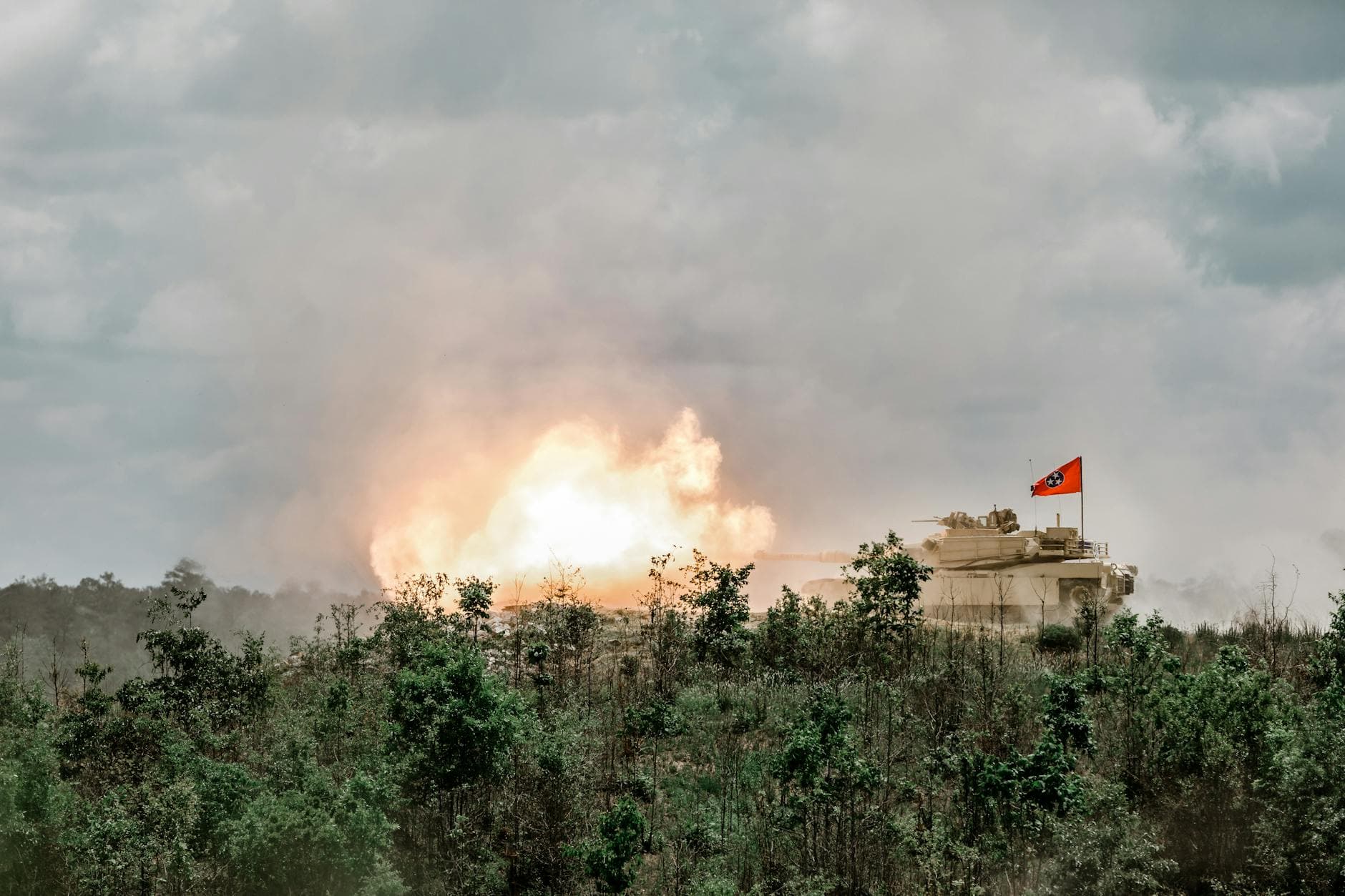
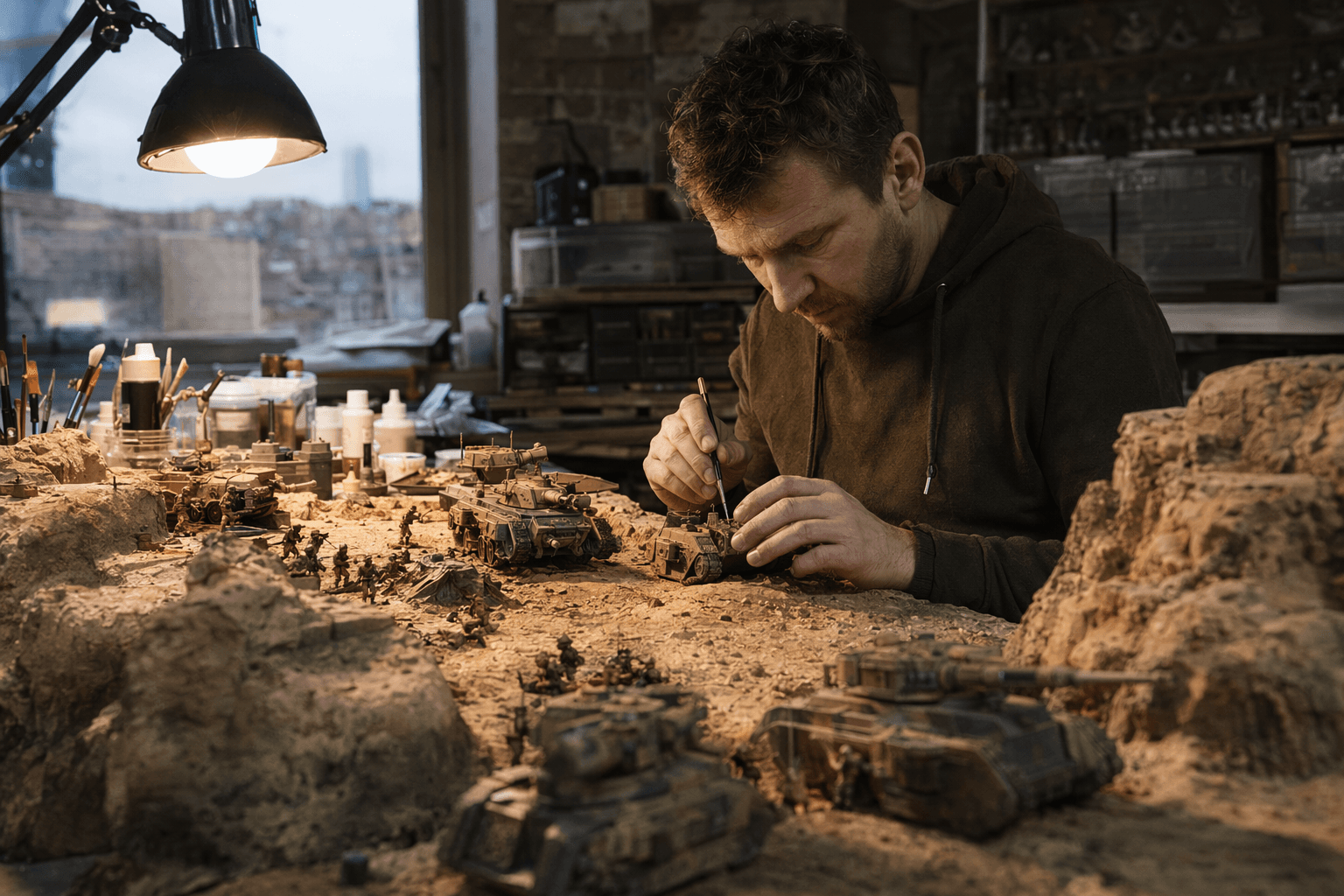
The supplement’s focus on resistance warfare and the layered military history of Tallarn means it should have more going on than a simple battle report setting. That is the kind of material that actually gets used. It gives narrative players a framework for linked games, gives painters a reason to commit to dust-caked armor and weathered markings, and gives terrain builders a battlefield that begs for bunkers, half-buried wrecks, command shelters, and long sightlines broken by ruined industrial debris.
What it suggests for armies, terrain, and campaign play
Tallarn is especially strong inspiration if you like the contrast between buried defense and surface devastation. The planet’s subterranean bunkers and hidden Imperial wargear point to an army that has spent years preparing for the worst, then been forced to claw back into the open under impossible conditions. That image translates beautifully into collections built around dug-in infantry, outpost defense, and armored columns moving through hazardous ground.
- desert basing with scorched earth, cracked mud, and dust on the lower hulls
- tanks weathered like they have crossed contaminated wasteland, not parade ground sand
- infantry posed as bunker survivors, scouts, or rearguard screens
- terrain with buried command posts, fuel dumps, and half-exposed ruins
- campaign maps that track a retreat underground, then a counterattack across the surface
A few hobby ideas practically hand themselves to you here:
The widening cast of factions also makes the campaign feel bigger than a one-note army showcase. That matters because it invites you to think in stages. One force holds the bunkers, another hunts across the surface, and another arrives later as the war spirals out. For narrative play, that is pure gold: you are not locked into one battle line or one objective set, because Tallarn itself is built around escalation.
The real value for 40k readers
What makes Tallarn worth caring about is that it still feels like a warning shot from the old Imperial war machine. It is brutal, methodical, and deeply visual. More importantly, it gives Warhammer hobbyists something that always lands: a battlefield with a strong enough identity that it changes how you build, paint, and stage the army.
That is why Journal Tactica matters even if Heresy is not your main game. It pulls on the same muscle that makes classic 40k war stories endure, where the lore is not just background but a design brief for what a force should look like on the table. Tallarn offers tank warfare, toxic survival, hidden arsenals, and a resistance that refuses to stay buried. For anyone who builds armies as much as they play them, that is exactly the sort of campaign material that keeps Warhammer feeling alive.
This article was produced by Prism’s automated news system from verified source data, official records, and press releases, then run through automated quality and moderation checks before publishing. The system is built and supervised by the people who set the standards it runs under. Read our full AI policy.
Did this article answer your question?