Combat Patrol may be the smartest way into Warhammer 40K 11th edition
Armageddon resets 40K, but Combat Patrol is the cleaner on-ramp: faster games, preset rosters, and less rules overload before you buy into full 11th edition.

Combat Patrol makes a stronger case than ever right now because the new edition is not arriving as a soft refresh, but as a real reset. With Armageddon positioned as the headline release for Warhammer 40,000’s 11th edition, the game is asking players to rethink how they start, collect, and play, and Combat Patrol sits exactly where that pressure is easiest to manage. It gives you a way to get onto the table quickly, learn the edition’s expectations, and avoid the trap of buying a giant army before you know how the current game actually feels.
Why Combat Patrol fits the 11th edition moment
The smartest thing about Combat Patrol is that it matches the shape of this edition. Warhammer 40,000’s current rules push players toward altered army construction, broader use of detachments, terrain and objective changes, and a mission structure that can feel meaningfully different from earlier versions of the game. That is a lot to absorb if your first instinct is to jump straight into a 2,000-point build and hope the learning happens along the way.
Combat Patrol trims that burden down to something manageable without stripping away the core experience. You are still moving units, holding ground, making target priority decisions, and learning how the edition wants you to think, but you are doing it in a format that is built to be played, not endlessly tuned. In practice, that means less time staring at army-builder tabs and more time understanding what 11th edition rewards on the table.
What Armageddon changes, and why it matters for first purchases
Games Workshop has made Armageddon the launch centerpiece for the edition, and that alone changes the buying conversation. The box includes 61 plastic push-fit miniatures for Space Marines and Orks, plus new miniatures, cards, datasheets, rules, and more, and it is being offered only while stocks last. The free core rules are already available to download, and a physical rulebook is included in the box, with a standalone rulebook to follow shortly after.
That combination matters because it makes the first entry choice less abstract. If you are deciding whether to start now or wait for a better moment, the edition is already in motion and the rules framework is already accessible. Combat Patrol becomes the practical bridge between those launch products and the actual game you will be playing week after week, especially if you do not want your first purchase to be a full army plus all the related paperwork of learning a new edition at maximum scale.
Who Combat Patrol suits best
Combat Patrol is the best fit for two groups that often want very different things from 40K. For newcomers, it solves the biggest early problem in the hobby: committing to an army before you know whether you enjoy building, painting, and piloting it. Games Workshop describes Combat Patrol as the quickest and most straightforward way to start collecting and playing Warhammer 40,000, and that is not marketing fluff so much as a design philosophy. The format uses pre-defined rosters, so you do not need to create an army list before you can start playing.
For veterans, the value is more strategic than introductory. Combat Patrol is a low-commitment way to test another faction, teach a friend, or get a weeknight game in without arranging a full-scale battle. Games Workshop also says a Combat Patrol-sized army is an ideal way to explore a new faction, which is exactly why the format keeps its place even after a collection grows beyond it. It is not a dead-end starter mode. It is a compact format that still has a job once you already know the basics.
How it saves money, time, and rules overload
The biggest misconception about getting into 40K is that the only real choice is between dabbling and going all in. Combat Patrol gives you a third path. Because each player commands a compact force with pre-set rosters, you can spend less on your first step, assemble less plastic before your first game, and spend less time wrestling with list construction. That matters if your real goal is to learn the edition, not to optimize a tournament roster on day one.
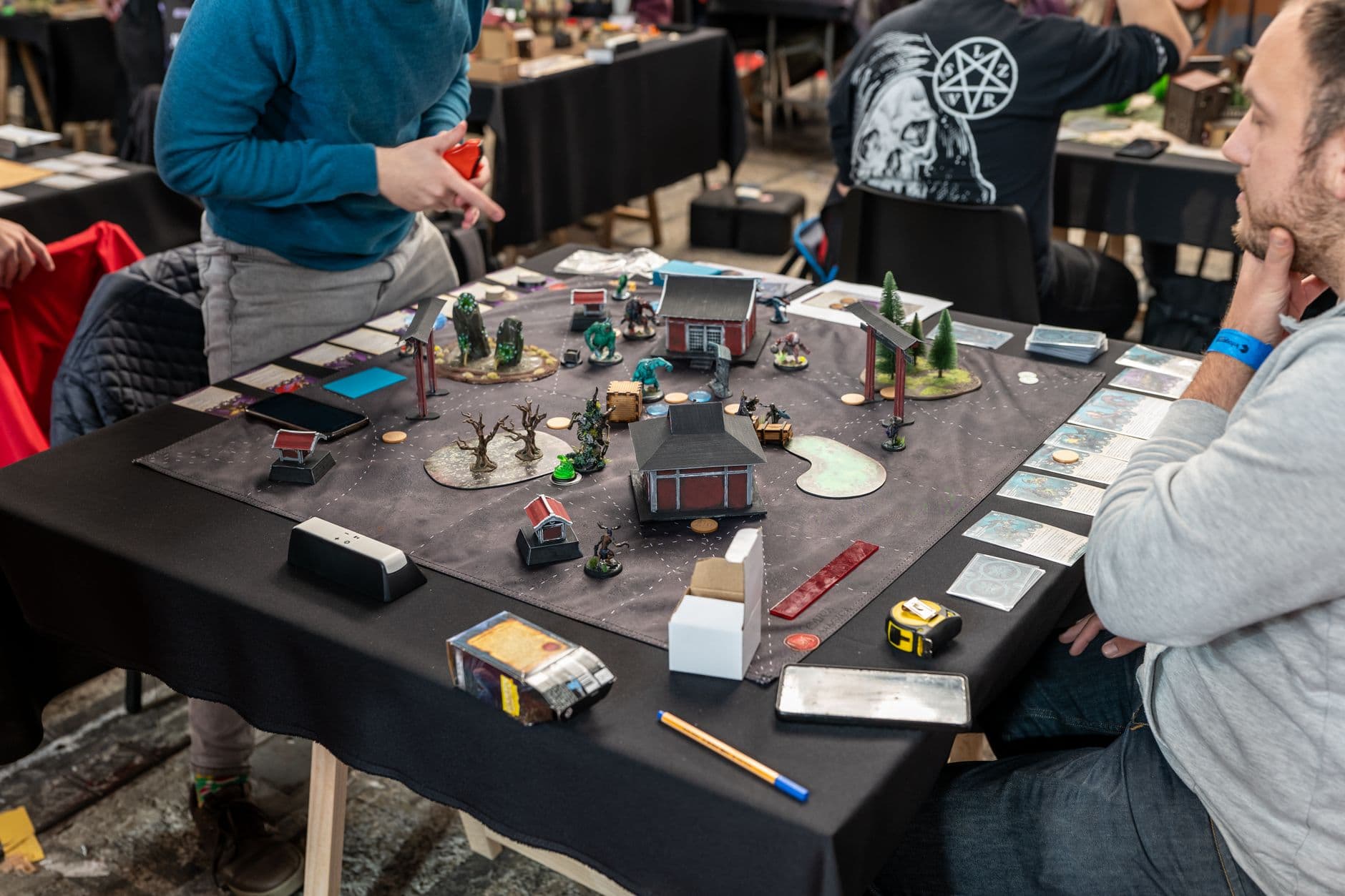
It also reduces the mental overhead of a modern 40K game. Full-size play asks you to keep track of a lot at once: detachment structure, objective pressure, terrain, mission shape, unit roles, and list efficiency. In Combat Patrol, those layers are still present, but they are easier to process because the format narrows the number of moving parts. That is especially useful in 11th edition, where the game’s structural changes can make the first few full-size matches feel like a rules seminar with dice.
Why the format teaches better than it looks from the outside
What makes Combat Patrol stand out in 11th edition is that it is not just smaller 40K. It is a learning format built to scale with you. The existence of multiple Combat Patrol boxes across factions means the range is broad enough to support real collection growth, not just a one-time starter purchase. Games Workshop’s new Combat Patrol Companion reinforces that idea by presenting the format as a guide to collecting, painting, and playing, while also introducing the Combat Patrol system and the background of the 41st Millennium.
That makes Combat Patrol especially useful in a period when the edition itself is shifting expectations. If you start there, you are not learning a side activity that you will immediately outgrow. You are learning the habits that matter most in the current game: how to read the table, how to play for objectives, how to work within a set roster, and how to make each unit count. For anyone trying to make a smart starter-buy decision in 11th edition, that combination is hard to beat.
The launch of Armageddon makes 11th edition feel immediate, but Combat Patrol is what makes it approachable. It gives you a table-ready way to meet the new game on its own terms, without the waste of overbuying, overbuilding, or overcomplicating your first step into the edition.
This article was produced by Prism’s automated news system from verified source data, official records, and press releases, then run through automated quality and moderation checks before publishing. The system is built and supervised by the people who set the standards it runs under. Read our full AI policy.
Did this article answer your question?