Emperor’s Children win Australian War Calls 40k 2026 tournament roundup
Lachlan Rigg’s double-Defiler Emperor’s Children took War Calls, showing the last weird 10th-edition tech still has teeth before 11th arrives.
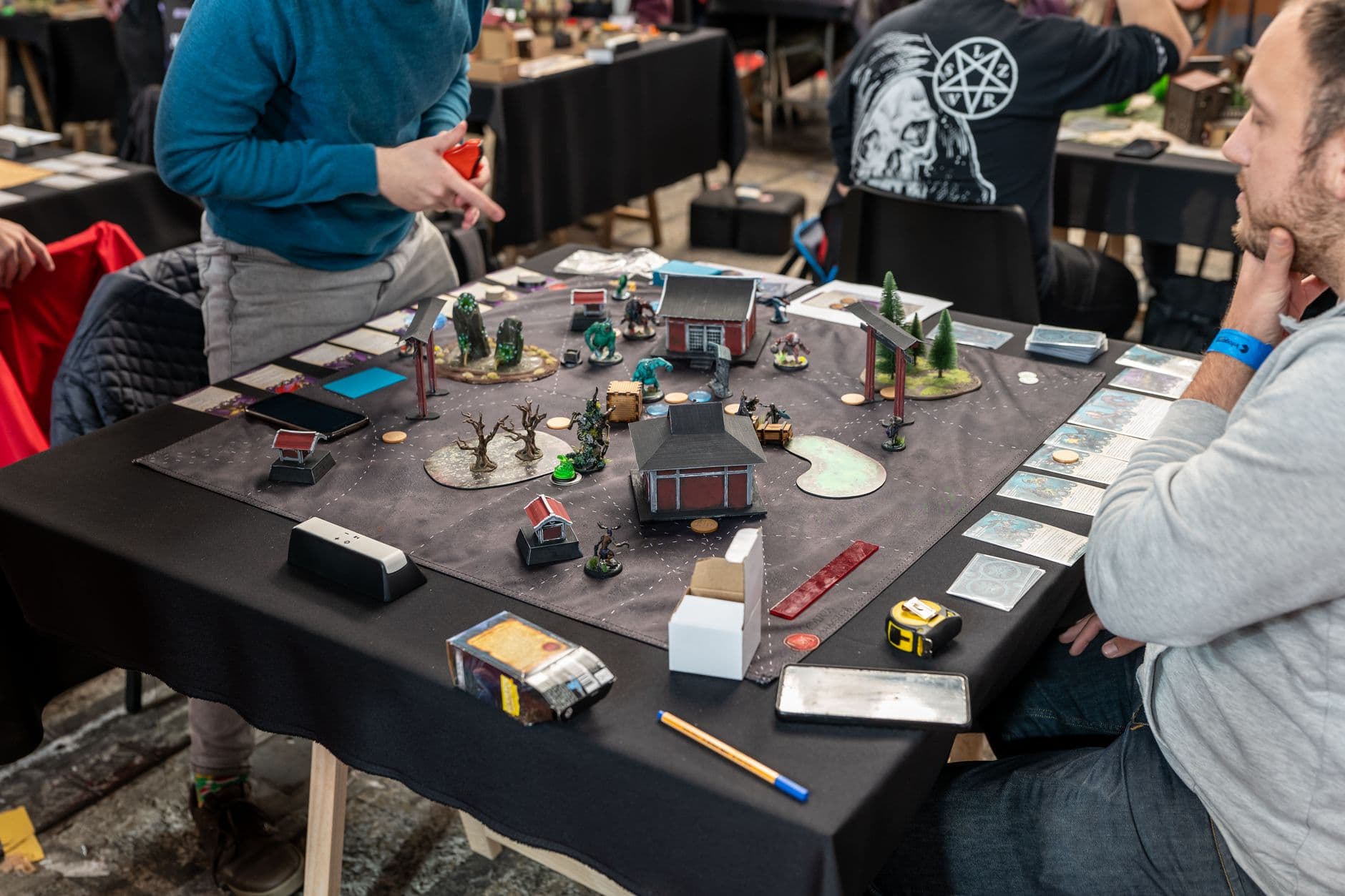
Lachlan Rigg’s Emperor’s Children did more than win ObSec presents War Calls 40k 2026 in Kelmscott, Western Australia. The 58-player, six-round Grand Tournament produced exactly the kind of late-edition result worth stealing from: a double-Defiler core, triple Princes, and Flawless Blades in the flex slot, all wrapped around a build that kept finding ways to score.
What War Calls proved
War Calls is the sort of event that tells you whether a list is merely loud or actually built to survive the last days of a settled meta. Rigg’s Emperor’s Children came out on top in a field that still felt crowded with “more crabs,” but the real headline was that credible challenges from other factions are still breaking through instead of letting one hopelessly dominant build define everything.
Best Coast Pairings lists Rigg as playing under Vanguard Tactics, and the placings page shows a round-by-round score line of 93, 95, 95, 73, 100 and 86. That spread matters because it reads like a list that can keep pressure on the table across different matchups, not one that only wins when everything lines up perfectly.
The three bits of tech worth stealing
- Double Defiler core
This is the kind of foundation that looks almost stubborn until it starts doing real work. Two Defilers give the army a durable mid-board threat that can soak attention, bully space, and force opponents to respect angles they would rather ignore.
- Triple Princes
That many Princes turns the list from a single hammer into a multi-vector problem. Instead of spending a turn answering one monster and moving on, opponents have to deal with repeated high-threat pieces that can keep the pressure on after the first trade.
- Flawless Blades as the flex pick
This is the smartest part of the build, because it gives the list a sharper edge where pure bulk would otherwise stall out. Flawless Blades let the army switch from soaking and contesting to actually finishing the job, which is exactly the kind of flexibility that steals games in the final months of an edition.
Put together, the shell is a strong reminder that “solved” 10th edition never really meant solved at the table. Players are still finding ways to combine durability, threat saturation, and a clean endgame plan, and War Calls shows that those ideas are still good enough to win a real tournament.
Why this result matters now
The bigger context is impossible to miss. Warhammer Community first revealed that a new edition of Warhammer 40,000 was on the way at Adepticon Preview 2026 on March 26, 2026, and then kept pushing the new-edition rollout through May with faction-focused coverage. Emperor’s Children and World Eaters have both been part of that push, and the Emperor’s Children material spells it out plainly: a 112-page codex and six detachments are coming into focus.
That official buildup changes how you read a result like War Calls. This is no longer just a weekly meta snapshot, it is a snapshot taken right as the next cycle starts to loom over competitive play. When a list like Rigg’s still wins now, it tells you that there is real value in studying the oddball shapes and pressure packages that are surfacing before the edition turns over.
The Emperor’s Children are also arriving with the kind of launch energy that always scrambles expectations. Warhammer Community’s Sunday Preview framed the faction’s army box around 33 brand-new miniatures and a fresh Codex, which means hobbyists and competitive players are both being fed the same signal: this army is about to matter a lot more, and the current tournament shells are a preview of how people may try to make them work on table one.
The one awkward part of late-edition coverage
Not every event in the weekly crop could be reported cleanly. One result was left in limbo because the scores in Best Coast Pairings could not be matched reliably to the MiniHeadQuarters lists, which were hidden behind nicknames. In practice, that meant the top-four and deeper 4-1 placings could not be pinned down with enough confidence to print a full breakdown.
That caution is part of the story too. The final weeks of an edition are often the messiest to cover, because the tournament scene is moving fast while the data trails behind it. Even so, the broad shape is clear: the week still had more crabs than elegance, but it also had enough real counterplay to keep the field honest.
Rigg’s win is the useful takeaway because it shows where the money is before the edition changes the rules of the conversation. If you want one last list idea to steal from the tail end of 10th, make it the one that proved a double-Defiler core, triple Princes, and Flawless Blades can still walk into a 58-player GT in Kelmscott and leave with the trophy.
This article was produced by Prism’s automated news system from verified source data, official records, and press releases, then run through automated quality and moderation checks before publishing. The system is built and supervised by the people who set the standards it runs under. Read our full AI policy.
Did this article answer your question?