Genestealer Cults gain ground as 11th Edition reshapes 40k tactics
11th Edition gives Genestealer Cults a cleaner, meaner game plan: better mission play, tougher hero pressure, and fewer dead draws in list building.
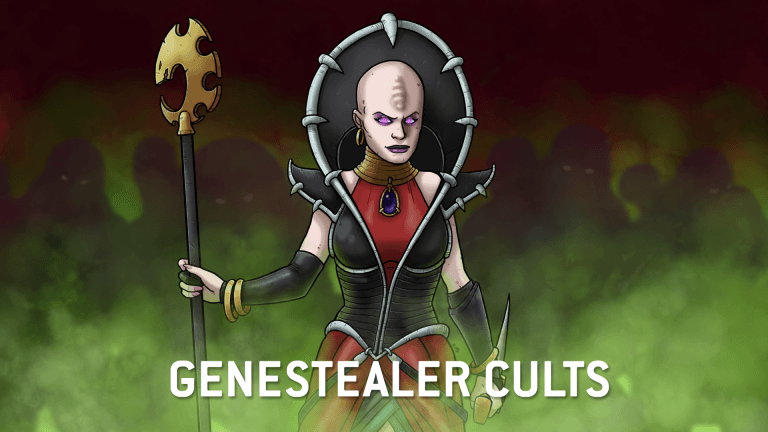
Genestealer Cults’ 11th Edition faction pack becomes legal for matched play on 20 June 2026. The biggest change is not a flashy damage spike. It is how much cleaner the army now plays when you stop guessing and start building around missions, deployment pressure, and reliable trading pieces. It is the moment to decide which units still earn their keep and which tricks finally connect consistently.
What 11th Edition actually changes for the cult
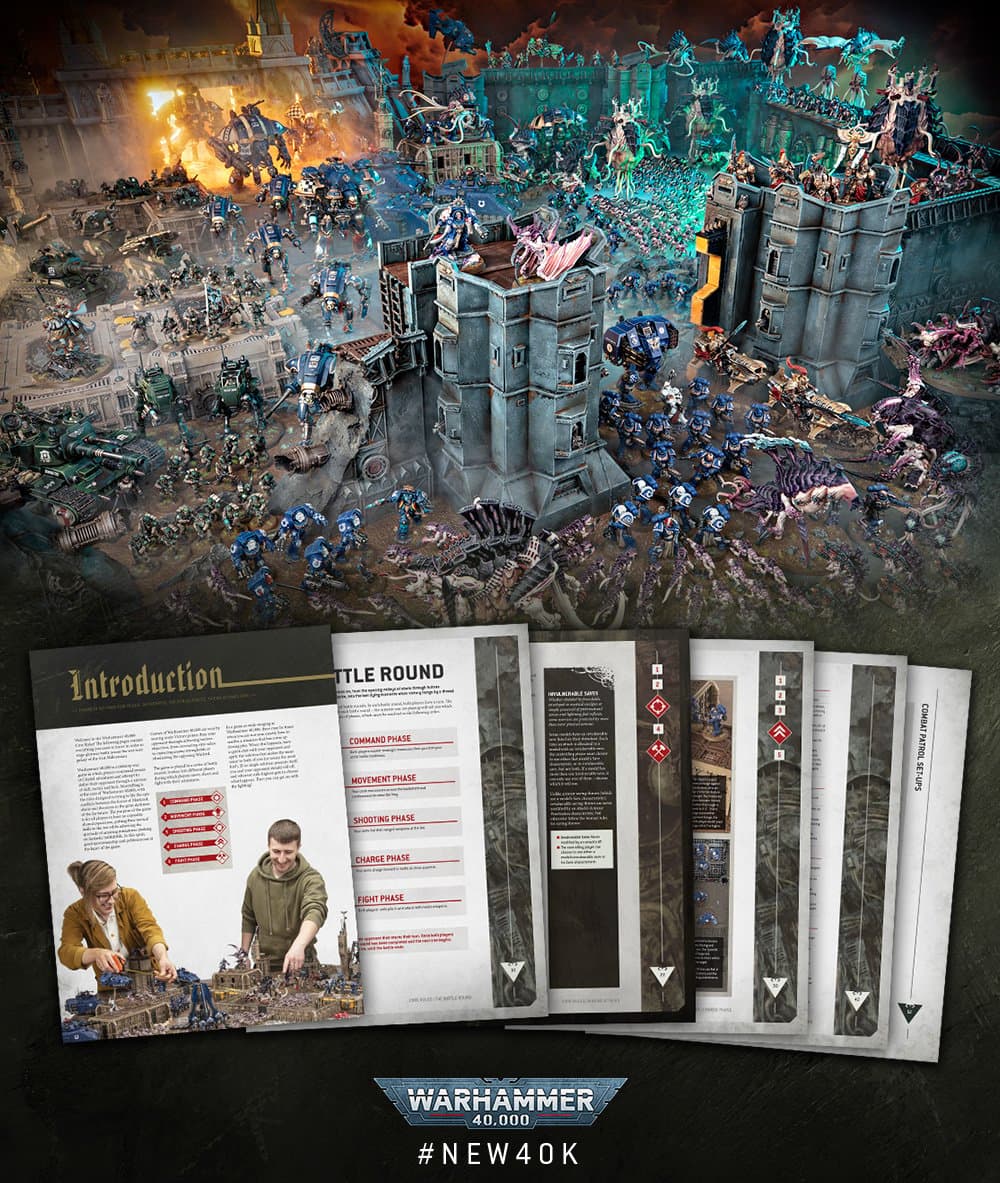
Games Workshop’s 11th Edition core rules push the game toward clearer rules language, tighter reference structure, and changes to terrain, combat, objectives, and mission selection. Genestealer Cults depend on movement, deployment pressure, and primary scoring more than fair stand-up fights, so those changes hit the faction directly.
The practical takeaway is that 11th Edition does not just make GSC faster or deadlier. It makes the army’s existing identity easier to execute. If your list already wants to appear where the enemy does not want it, the new edition gives you a more readable framework for doing that job without wasting pieces.
The four improvements worth testing first
Out of the full checklist, four changes do the real work right away. The first is the cleaner mission and objective structure. GSC live and die on whether they can turn early board presence into score before the opponent has fully solved the ambush, and anything that makes objectives and mission selection easier to parse helps the faction translate movement tricks into actual points.
The second is the emphasis on stealthy Killer units. It tells you where the army’s pressure is meant to come from now: hidden threats that force bad screens, bad charges, and bad target priority. If you have been overloading on bodies and underbuying pieces that can actually punish a mistake, that balance is worth fixing.
The third is re-roll support. Genestealer Cults have always punished opponents when the chain of events goes right, but they have also burned games when one critical charge, hit roll, or positioning call goes sideways. Any boost to consistency matters most on the turns when a critical charge, hit roll, or positioning call decides whether GSC score or trade.
The fourth is Living up to Legend, the battle-shock recovery stratagem. GSC do not want their scoring units losing tempo at the exact moment they are supposed to flip an objective or hold a lane. A recovery tool like that makes your board state less brittle on the turns that decide an objective or lane.
Why the heroes matter more than they look
11th Edition also pushes assassin-style heroes, and that is one of the most useful signals in the whole launch cycle. Genestealer Cults do not need another bloated centerpiece that asks for protection and then sits in the middle of the table. They need characters that sharpen the threat profile of the army, help units trade up, and make the opponent spend real attention on a model that is not obviously expensive enough to deserve it.
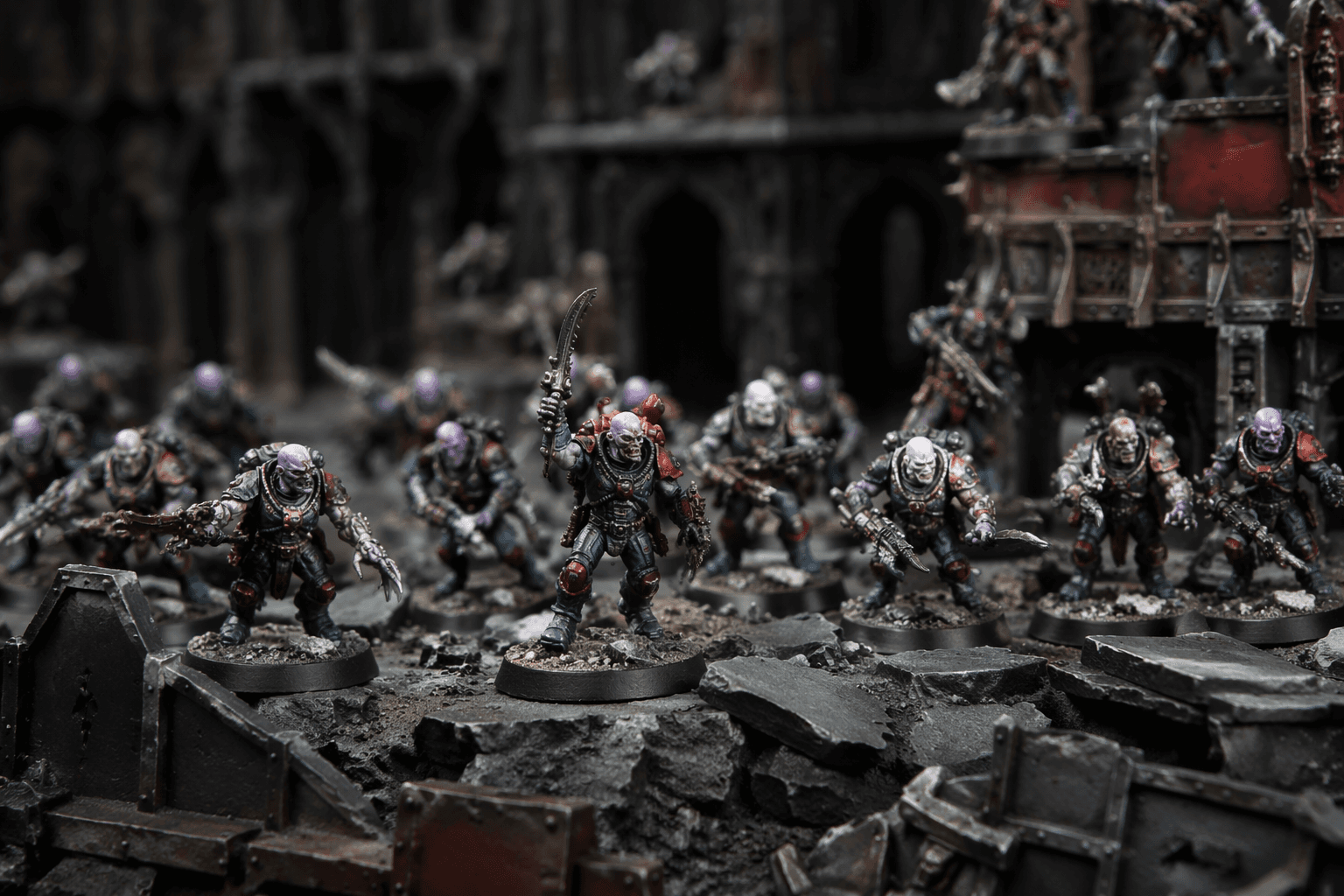
That is the hidden list-building consequence. You are not just asking whether a unit kills well. You are asking whether it changes the opponent’s deployment, movement, or screening decisions. 11th Edition leans harder into that exact role.
Gene-tailored Toxins changes the threat math
Gene-tailored Toxins is the sort of upgrade that looks narrow until you place it next to the right target. It can make Sanctus and Locus pieces threatening even into Terminators, and that is exactly the kind of detail that changes how you write a list. If your delivery piece can credibly threaten elite infantry, it stops being a nuisance and starts being a genuine scoring and trading tool.
A GSC list with too many units that only bully chaff will run out of answers the moment it faces durable infantry or layered mid-board bricks. A list with at least a few models that can break that pattern forces different screens and target priorities.
What stayed familiar from 10th Edition
In 10th Edition, Cult Ambush returned with major changes, every Genestealer Cults Infantry unit gained Deep Strike, and destroyed units could come back as identical reinforcements through Cult Ambush. That made the army brutally volatile when key pieces got blanked before they mattered.
11th Edition does not erase that identity. It is a smoothing pass that keeps the ambush fantasy while making the army less dependent on a few perfect sequences. If you liked the 10th Edition game plan but hated how often a single bad turn could collapse it, 11th Edition keeps the plan while reducing how much rides on that turn.
How launch support shapes the meta around GSC
Warhammer 40,000: Armageddon went up for pre-order on 6 June 2026 as the new edition’s launch box, and it comes with 61 brand-new miniatures split between Space Marines and Orks, plus the Core Rulebook, Chapter Approved and Dominatus decks, datacards, and the Operation: Imperator lore tome. That kind of launch package usually means a rules environment built for clear mission play and early testing, not just spectacle.
For GSC players, the first version of a new edition often rewards armies that can exploit movement, board control, and sequencing before everyone else has tuned up. Genestealer Cults are exactly that kind of army. If the list is built with the right mix of mission play, hidden pressure, and a couple of reliable kill pieces, 11th Edition gives the cult a better floor than 10th ever did.
This article was produced by Prism’s automated news system from verified source data, official records, and press releases, then run through automated quality and moderation checks before publishing. The system is built and supervised by the people who set the standards it runs under. Read our full AI policy.
Did this article answer your question?