How to paint Ork Goffs, the classic black-and-white clan look
Goff Orks live or die on contrast, and that makes them one of the fastest Ork clans to paint well. A few black, white, and grime choices turn a horde into a proper Waaagh.
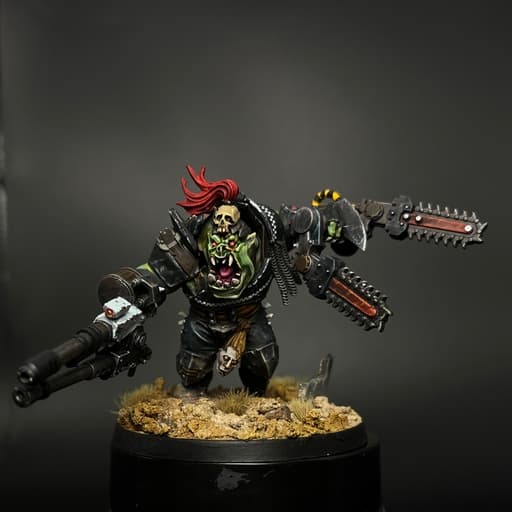
Goffs are the Ork clan that rewards discipline more than detail. If the black armour is solid, the white is crisp, and the green skin pops, the model reads as Goff immediately, even before you start thinking about battle damage or freehand. That is why the scheme works so well for a faction where you are often painting a lot of Boyz at once: it looks mean on the table, but it does not demand a showcase-level finish on every single body.
Why Goffs work so well
Warhammer’s own official merchandise calls Goff Orks the toughest and meanest clan, and the visual language is exactly what you expect from that reputation: black armour, horned helmets, and black-and-white patterns. Those elements do the heavy lifting for you. Black gives the force its brutality, white gives it definition, and the checks stop the army from becoming a flat block of dark paint.
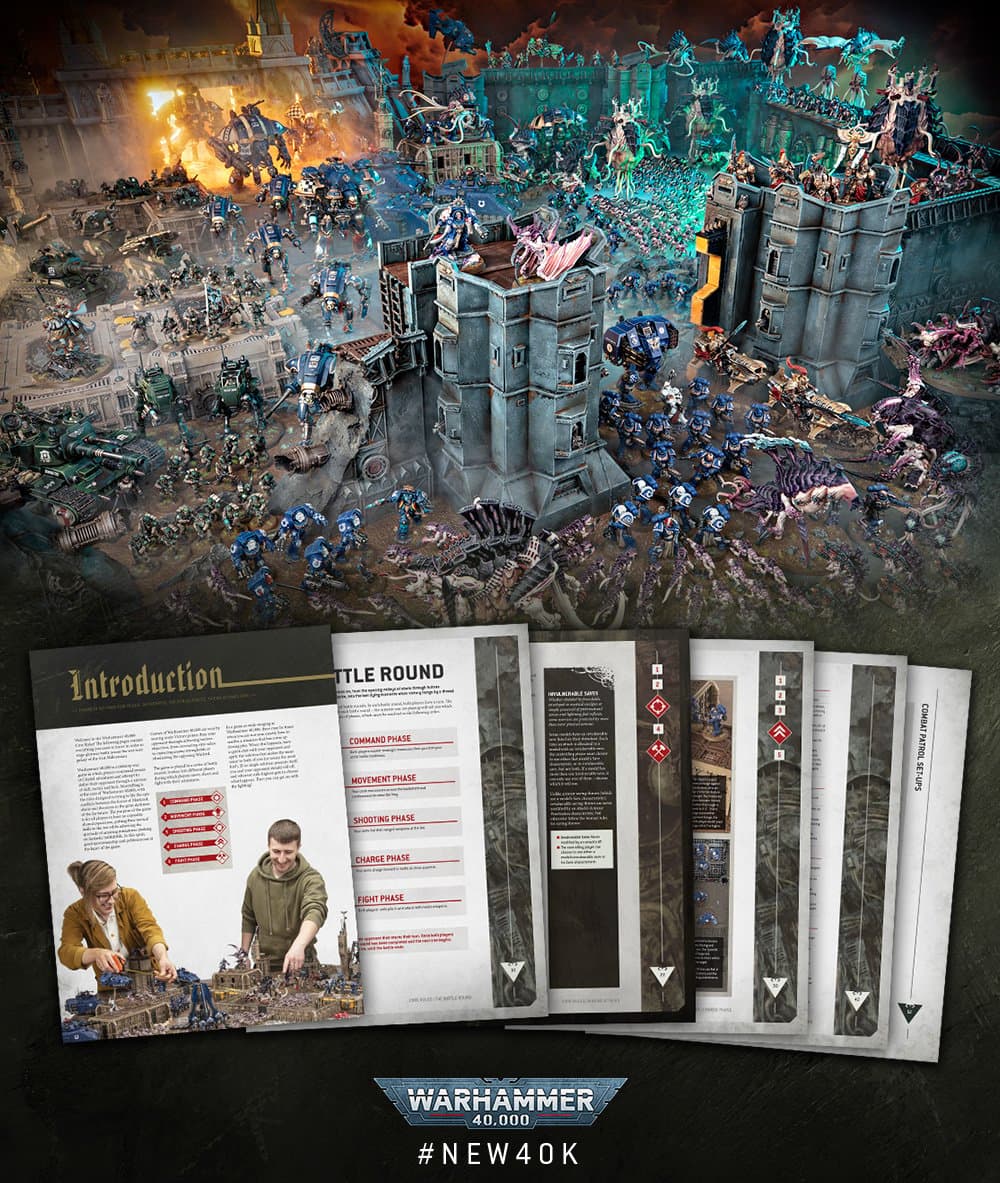
That contrast matters even more now because Codex: Orks is the first codex of the new edition of Warhammer 40,000. The book is coming with painting tips, art, faction lore, and a Collecting section that lays out four distinct archetypes for building Ork armies, plus 15 detachments. When a faction is getting that kind of spotlight, a clean Goff paint job is one of the fastest ways to make the new releases feel finished on the table.
The quickest way to paint the scheme
If you want a Goff force that looks sharp without eating your hobby life, keep the recipe simple and repeatable. I would approach it like this:
1. Paint the skin first so every model already reads as an Ork.
Bright green is the easiest anchor in the whole scheme, and it gives you an instant visual break from the black plates.
2. Block in the black armour, weapons, and most hard surfaces.
Black is your base identity here, so use it broadly and cleanly rather than trying to make every panel fancy.
3. Add white only where it will do real work.
A shoulder pad, a knee pad, a helmet stripe, or a set of checks on a single flat plate is enough to make the model read as Goff.
4. Finish with weathering, grime, and a little metallic wear.
That last step is what keeps the black-and-white look from becoming too tidy for Orks.
The trick is restraint. A few strong white areas will always look better than trying to checker every visible surface. On a mob, the eye wants repetition and rhythm, not perfection on each individual panel.
The small details that sell the clan
Goff identity lives in the silhouette as much as the paint. Horned helmets, square shoulder plates, and broad black surfaces make the miniatures feel like they belong together, even when the poses are wildly different. The black-and-white patterns are the visual punctuation marks, so use them where they can be seen from arm’s length on a tabletop.
That is also why the clan translates so well into everything from Boyz to big kits. Even the official Goff Ork Boy plush, which measures roughly 304mm x 304mm x 216mm, leans into that big, blocky, monochrome read. It is a funny reminder that Goffs are supposed to look simple from a distance and brutal up close, and the paint scheme should follow the same rule.
For infantry, keep the checks limited to the areas people actually notice first: helmets, shoulder plates, banner edges, and one or two armored panels per model. On a unit, that gives you enough variation to keep the mob from looking stamped out, but not so much that you spend all week painting tiny squares.
Use the characters as the standard
Goff armies look best when the characters set the tone. Ghazghkull Mag Uruk Thraka is the obvious benchmark here. His modern incarnation debuted with Codex: Armageddon, was designed by Brian Nelson, and was redesigned again during the Psychic Awakening campaign with two new weapons, Mork’s Roar and Gork’s Klaw. That history matters because it shows how closely the clan is tied to one of the most recognizable Ork models ever made.
When you paint a leader like Ghazghkull, push the same black-and-white language a little harder than you do on the Boyz. Cleaner checks, sharper white panels, and more deliberate contrast help the model stand apart without breaking the army’s overall look. The goal is not to make the boss prettier than the rest of the force. It is to make him look like the same clan made manifest at a larger scale.
Why this is the right moment to start
The timing is unusually good for a Goff project. The new Orks wave includes a new, highly customisable Trukk kit, a new Mek, and a redesigned Warboss with 16 different head combinations, which means there are plenty of fresh surfaces to carry the same clan look. A force painted in a consistent Goff scheme will make all of those new releases feel like part of one army instead of a pile of separate kits.
Games Workshop’s Downloads page is also where the most up-to-date errata and answers live, which is useful any time a new codex drops and the first edition of the book is still settling. That is another reason to keep the hobby side efficient: paint the army in a way that lets you swap units in and out without rethinking the whole visual identity. Goffs are at their best when they look hard, fast, and unified, and this is one of those rare Ork schemes that can give you that result without turning every model into a weekend project.
A good Goff army does not need to be overworked to look right. Get the black solid, the white sharp, the green loud, and the grime believable, and the whole force will read exactly the way the clan always has: blunt, brutal, and impossible to miss.
This article was produced by Prism’s automated news system from verified source data, official records, and press releases, then run through automated quality and moderation checks before publishing. The system is built and supervised by the people who set the standards it runs under. Read our full AI policy.
Did this article answer your question?